Landmark: Taga Beach
City: Taga
Country: Samoa
Continent: Australia
Taga Beach, Taga, Samoa, Australia
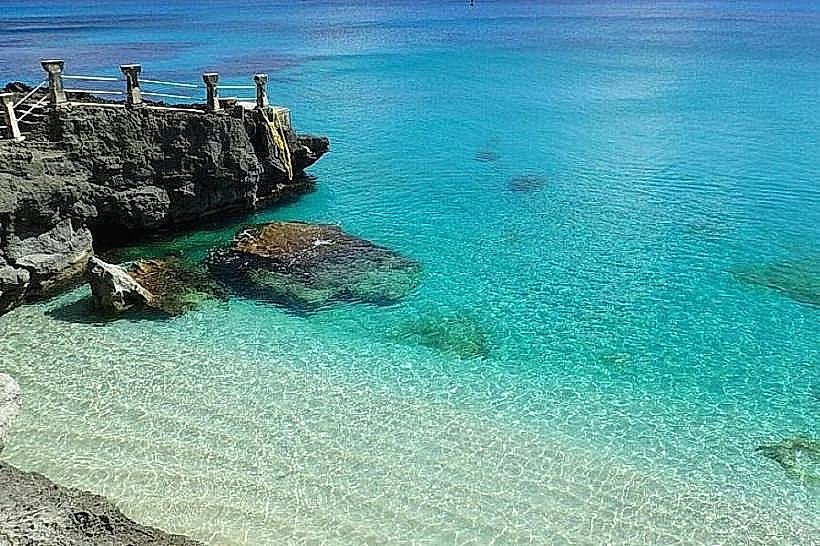
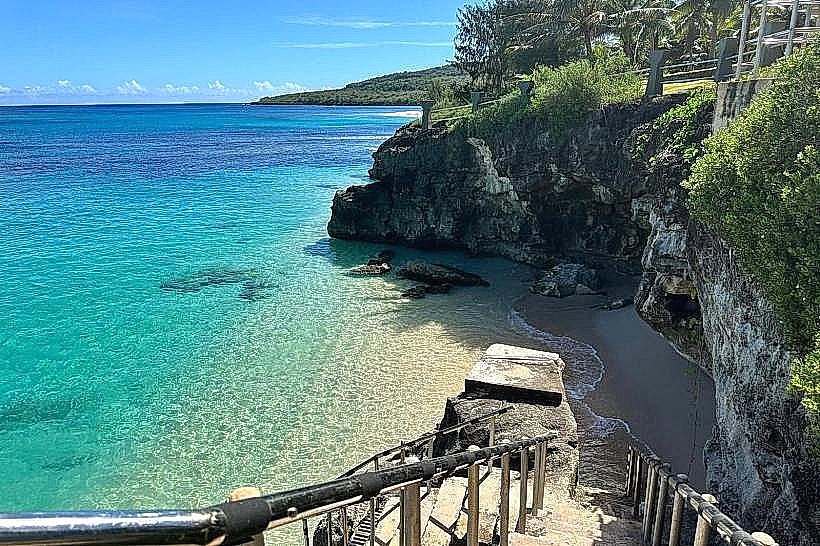
Taga Beach is a coastal area located on the southern shore of Savai'i, stretching between the village of Taga and the famous Alofaaga Blowholes. Unlike the white coral sands common elsewhere in Samoa, this beach is characterized by its volcanic origins.
Visual Characteristics
The beach features a striking mix of fine black volcanic sand and weathered basalt pebbles. The coastline is relatively narrow and bordered by lush tropical vegetation and coconut palms. The surf is generally strong, as the beach faces the open South Pacific, resulting in white-water waves that contrast sharply with the dark sand.
Location & Access Logistics
The site is located approximately 25km southwest of Salelologa. Access is via Taga Beach Road, a turn-off from the Main Island Road near the blue village church. The beach is within walking distance for those staying in Taga village. For day visitors, parking is available in grassy clearings near the village beach fales. A small donation or entry fee is sometimes requested by the customary landowners for those using the beach for extended periods.
Historical & Ecological Origin
The black sand is the result of mechanical erosion of the surrounding volcanic cliffs and lava flows. Over centuries, the relentless southern swells have ground down basalt rock into fine grains. Ecologically, the beach serves as a nesting ground for various crab species, and the nearshore reef flats support diverse tidal life.
Key Highlights & Activities
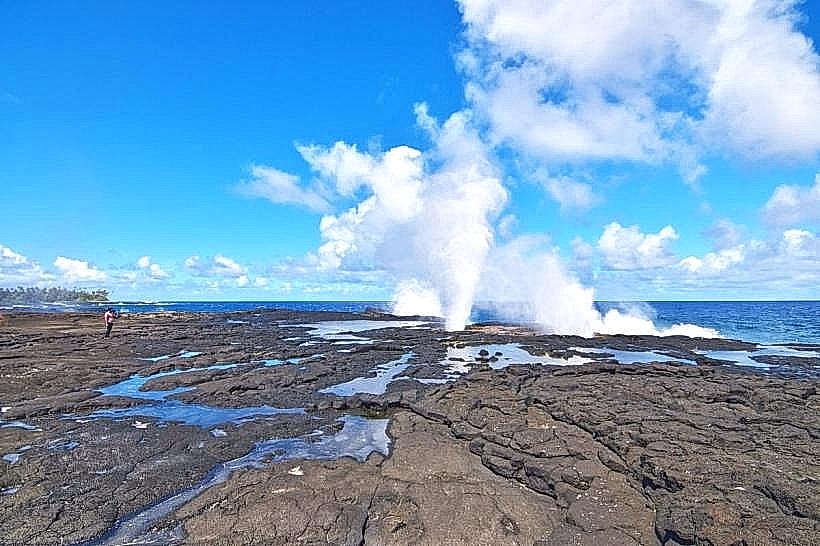
Walking along the shoreline is the primary activity, especially during low tide when tide pools are exposed. The beach offers a rare opportunity to see black volcanic sand in Samoa. While the currents can be too strong for distance swimming, the shallows are often used for wading. The beach is also a starting point for the coastal walk toward the Alofaaga Blowholes.
Infrastructure & Amenities
Infrastructure consists of several traditional beach fales (open-air huts) operated by local families for overnight stays or day use. Basic restroom and shower facilities are typically provided by the host families at the homestays. There are small village shops (faleoloa) along the main road that sell basic refreshments and snacks. Cell phone signal (4G) is generally reliable.
Best Time to Visit
Early morning is the best time for a walk, as the sand can become quite hot under the midday sun. For photography, the "golden hour" shortly before sunset provides a bronze glow to the volcanic sand. The beach is accessible daily, though visitors should respect the local "Sa" (evening prayer time) usually occurring around dusk.
Facts & Legends
A unique feature of Taga Beach is its "singing sand"-the specific density of the volcanic grains causes them to make a distinct squeaking sound when walked upon. A practical tip is to wear footwear even when walking near the water, as the dark sand absorbs heat rapidly and the shoreline can contain sharp fragments of volcanic rock.
Nearby Landmarks
Alofaaga Blowholes – 1.5km West
Taga Coastal Cliffs – 1.0km Southwest
Taga Village Church – 0.4km North
Mu Pagoa Waterfall – 9.2km East