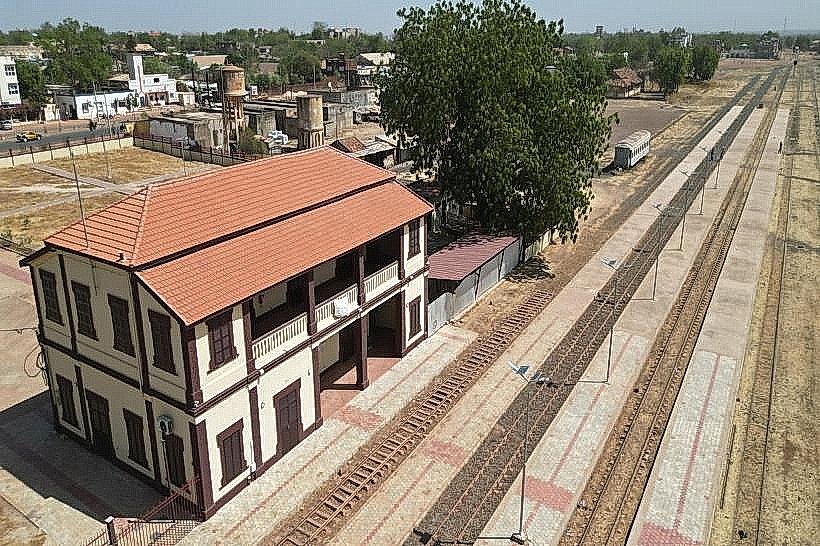
Landmark: Tambacounda Railway Station
City: Tambacounda
Country: Senegal
Continent: Africa
Tambacounda Railway Station, Tambacounda, Senegal, Africa
The Tambacounda Railway Station is a significant historical and logistical landmark located in the regional capital of eastern Senegal. It was a primary stop on the Dakar-Niger Railway, which connected the Atlantic coast to the Niger River in Mali.
Visual Characteristics
The station features classic French colonial "Soudano-Sahelian" architecture, characterized by thick masonry walls, arched doorways, and high ceilings designed for natural ventilation in the extreme heat. The exterior is typically painted in ochre or cream tones. The site includes a large passenger terminal, rusted iron tracks, decaying warehouse structures, and a disused water tower once used for steam locomotives.
Location & Access Logistics
The station is located in the central administrative district of Tambacounda city. It is situated near the intersection of the N1 and N7 highways. Access is straightforward via local yellow taxis or on foot from the city center. While the passenger buildings are visible from the public road, access to the tracks and warehouse interiors is technically restricted, though often accessible via local arrangement.
Historical & Ecological Origin
Constructed in the early 20th century (completed around 1923), the station was a centerpiece of the French colonial effort to export groundnuts and mineral resources from the interior. Geologically, it sits on the flat ferruginous plains of eastern Senegal. Historically, it served as a vital link for the "Express" train that ran between Dakar and Bamako, fostering a unique multicultural rail culture in the city.
Key Highlights & Activities
The primary interest is industrial archaeology and colonial history. Visitors can observe the remaining colonial infrastructure and the heavy freight cars that occasionally utilize the line for industrial transit. The station area is a hub for local artisans and informal markets. Photography of the stark, rusted tracks against the arid landscape is a frequent activity for travelers.
Infrastructure & Amenities
Infrastructure is currently in a state of advanced decay. The station no longer provides regular passenger services. There are no public restrooms, visitor centers, or modern amenities within the station complex. Shade is provided by the deep colonial verandas and a few large neem trees. 4G cellular signal is strong throughout the area. Food and water are readily available at the nearby central market.
Best Time to Visit
The best time for photography is the early morning (07:00–09:00) before the midday heat becomes extreme, which in Tambacounda frequently exceeds 40°C. The dry season (November to May) is preferable to avoid the humidity and mud of the rainy season. Late afternoon offers a "golden hour" light that emphasizes the texture of the rusted iron and weathered masonry.
Facts & Legends
The Dakar-Niger line was the site of the famous 1947–1948 railway workers' strike, a pivotal event in West African anti-colonial history. A local legend suggests that the spirits of those who built the line under harsh conditions still guard the abandoned sections of the track. While passenger travel has ceased, the station remains a powerful symbol of the city's identity as a "crossroads" town.
Nearby Landmarks
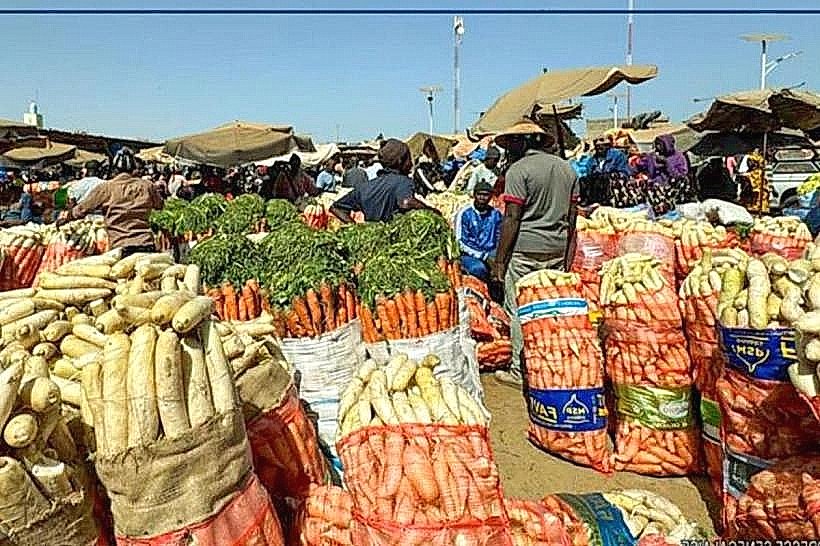
Tambacounda Central Market – 0.5km East
Gambia River (Gouloumbou) – 32.0km South
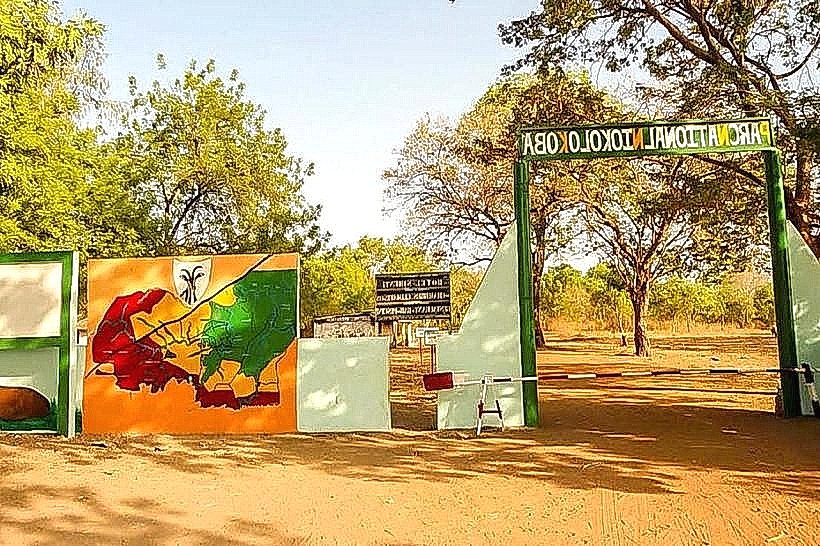
Niokolo-Koba National Park (Dar Salam) – 65.0km Southeast
Hotel Oasis Oriental – 1.0km West