Landmark: Wahkpa Chu’gn Archaeological Site
City: Havre
Country: USA Montana
Continent: North America
Wahkpa Chu’gn Archaeological Site, Havre, USA Montana, North America
The Wahkpa Chu’gn Archaeological Site is a significant paleontological and historical location situated near Havre, Montana, USA.
This site preserves evidence of ancient human habitation and the remains of extinct megafauna.
Visual Characteristics
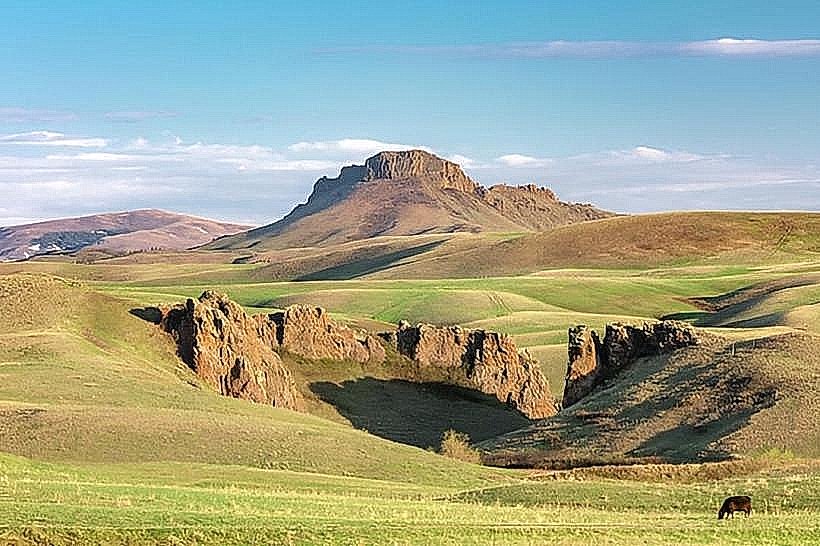
The site consists of exposed sedimentary rock layers and fossil-bearing deposits. The terrain is characterized by rolling hills and coulees, typical of the Northern Great Plains. Vegetation is sparse, primarily consisting of prairie grasses and hardy shrubs. Exposed bone fragments and stone tools may be visible within the excavated areas.
Location & Access Logistics
Wahkpa Chu’gn is located approximately 10 miles west of Havre, Montana. Access is via US Highway 2 West. Turn south onto a gravel road marked by signage for the archaeological site. The gravel road is approximately 1.5 miles long and suitable for most passenger vehicles in dry conditions. Parking is available at the designated site entrance. No public transport services the immediate vicinity of the site.
Historical & Ecological Origin
The site's geological origin is rooted in the sedimentary deposits of the late Pleistocene epoch, approximately 12,000 years ago. It represents a kill site and habitation area for Paleo-Indian peoples who hunted mammoth and other large extinct mammals. The site was discovered and excavated by archaeologists starting in the mid-20th century, revealing extensive evidence of tool manufacture and butchering practices.
Key Highlights & Activities
Visitors can observe exposed fossil layers and interpretive displays detailing the site's history. Guided tours are available during operational hours, explaining the significance of the artifacts and the paleoenvironment. Self-guided exploration of designated viewing areas is permitted.
Infrastructure & Amenities
Basic amenities include a small visitor center with restrooms and interpretive signage. Shade is limited to the visitor center area. Cell phone signal is generally unreliable at the site.
Best Time to Visit
The best time for a visit is during the late spring and early fall months (May-June and September-October) to avoid extreme summer heat and winter conditions. Mid-morning offers optimal lighting for viewing exposed strata and potential fossil fragments.
Facts & Legends
A notable discovery at Wahkpa Chu’gn includes a complete mammoth skeleton found in association with stone projectile points, providing direct evidence of early human hunting strategies. The site is also known for its well-preserved evidence of bison jump activities, where herds were driven over cliffs.
Nearby Landmarks
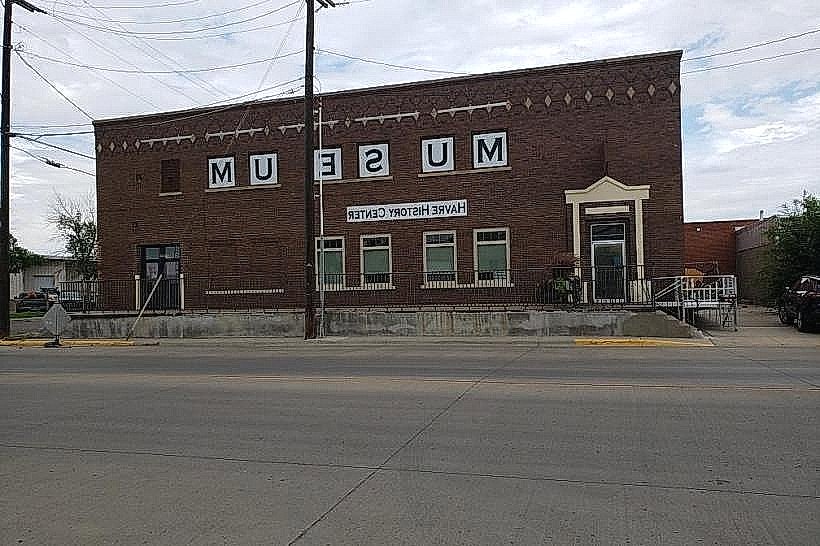
- The Great Northern Railway Depot Museum (Havre, 10km East)
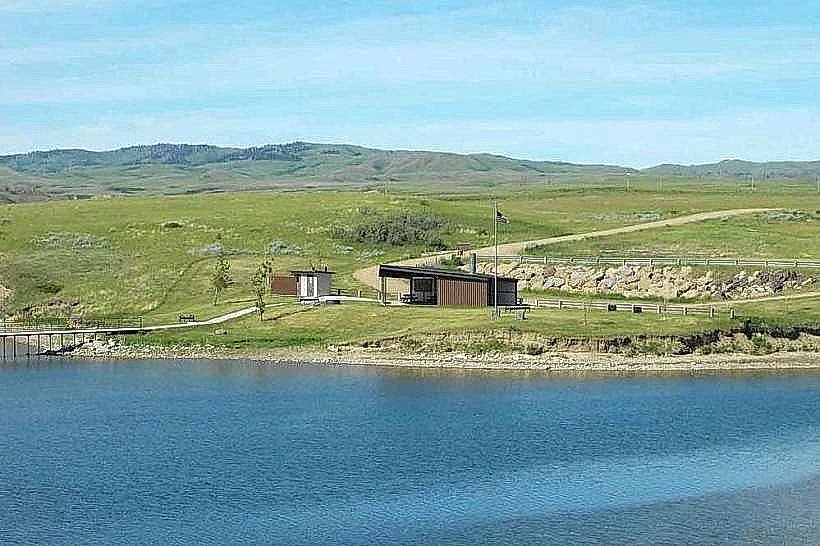
- Fresno Reservoir (15km Southwest)
- Bear Paw Battlefield National Historic Site (40km South)