Landmark: White Mountain Petroglyphs
City: Rock Springs
Country: USA Wyoming
Continent: North America
White Mountain Petroglyphs, Rock Springs, USA Wyoming, North America
The White Mountain Petroglyphs are a collection of ancient rock carvings located in the high desert plains west of Rock Springs, Wyoming.
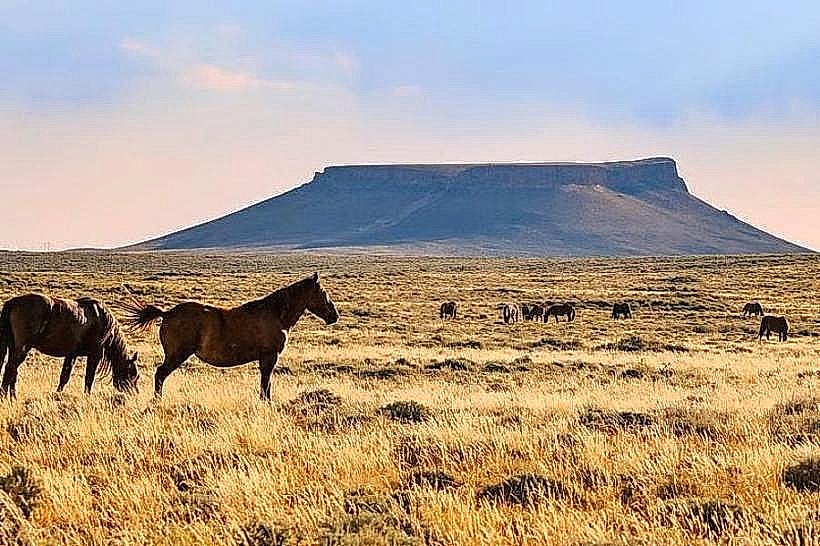
This site preserves a significant concentration of prehistoric rock art within a rugged, arid landscape.
Visual Characteristics
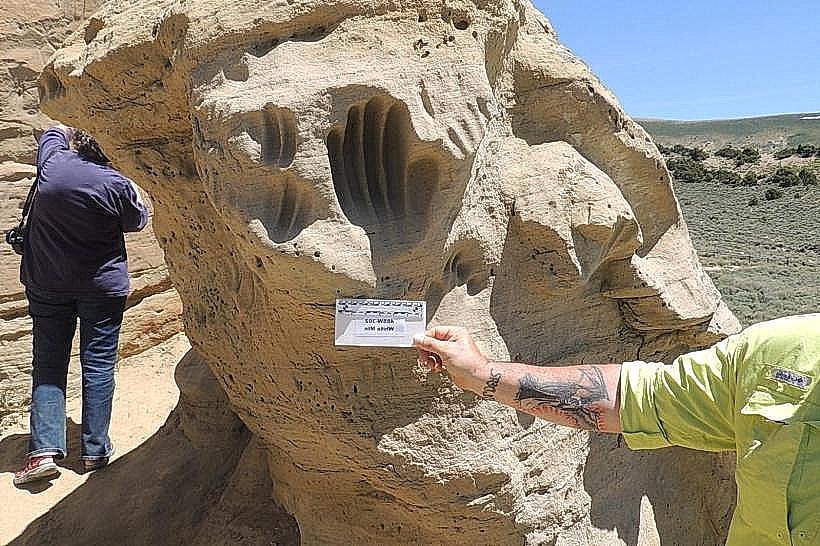
The petroglyphs are etched into dark desert varnish on sandstone formations. The carvings depict a variety of figures including humanoids, animals (such as bighorn sheep and bison), and geometric shapes. The sandstone itself is predominantly tan to reddish-brown, with varying degrees of erosion.
Location & Access Logistics
The White Mountain Petroglyphs are situated approximately 25 miles west of Rock Springs, Wyoming. Access is via Interstate 80 West to Exit 135 (Artesia Drive). Turn north onto County Road 17 (also known as White Mountain Road). Continue on County Road 17 for approximately 15 miles. A sign for the petroglyph site will indicate a turn onto a graded dirt road. This dirt road is approximately 5 miles long and is generally passable by standard vehicles in dry conditions. During wet weather, high-clearance or 4WD vehicles may be necessary. Parking is available at the trailhead.
Historical & Ecological Origin
The petroglyphs are attributed to Native American cultures that inhabited the region for thousands of years, with dating estimates ranging from 3,000 to 10,000 years old. The exact purpose of the carvings is not definitively known but is believed to include spiritual, ceremonial, or communicative functions. The geological origin of the sandstone formations is part of the larger sedimentary layers of the Green River Formation.
Key Highlights & Activities
Observation and interpretation of the petroglyphs. Hiking on designated trails around the rock formations. Photography of the rock art and surrounding desert environment.
Infrastructure & Amenities
There are no developed facilities at the White Mountain Petroglyphs site. Visitors should bring their own water, food, and sun protection. Restrooms are not available. Cell phone signal is intermittent to non-existent in the immediate vicinity.
Best Time to Visit
The best time of day for viewing the petroglyphs, particularly for photography, is during the early morning or late afternoon when the low-angle sun casts shadows that highlight the etched lines. The most favorable months for visiting are from April to October, avoiding the harsh winter conditions. Summer months can experience extreme heat.
Facts & Legends
One interpretation suggests that some of the animal figures may represent migratory patterns or hunting strategies employed by ancient peoples. Local lore sometimes speaks of the carvings as ancient maps or messages left by spirits.
Nearby Landmarks
- Pilot Butte State Scenic Viewpoint (15km Northeast)
- Flaming Gorge National Recreation Area (40km Southwest)
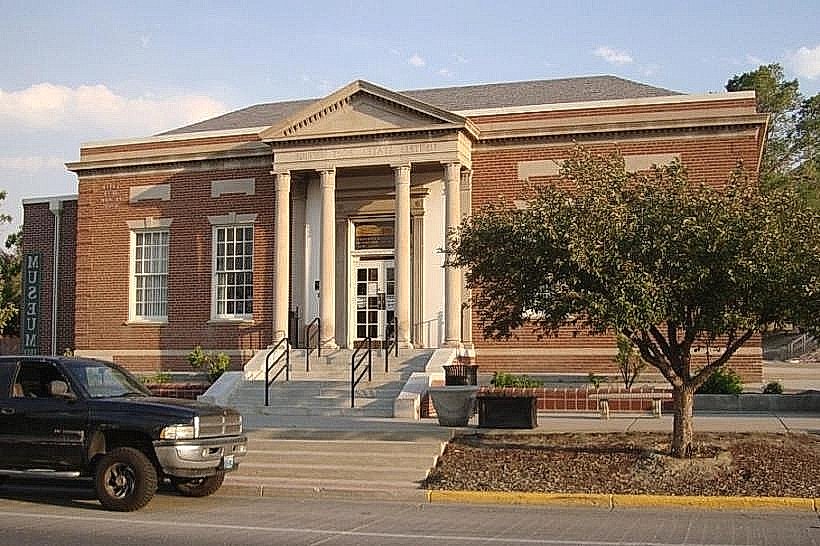
- Sweetwater County Historical Museum (28km East)
- Green River (35km East)