City: Guayaquil
Country: Ecuador
Continent: South America
Guayaquil, Ecuador, South America
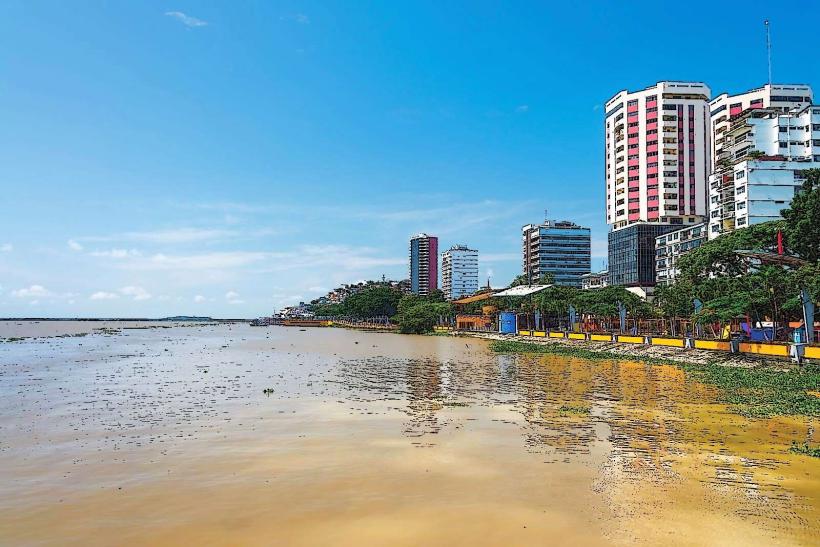
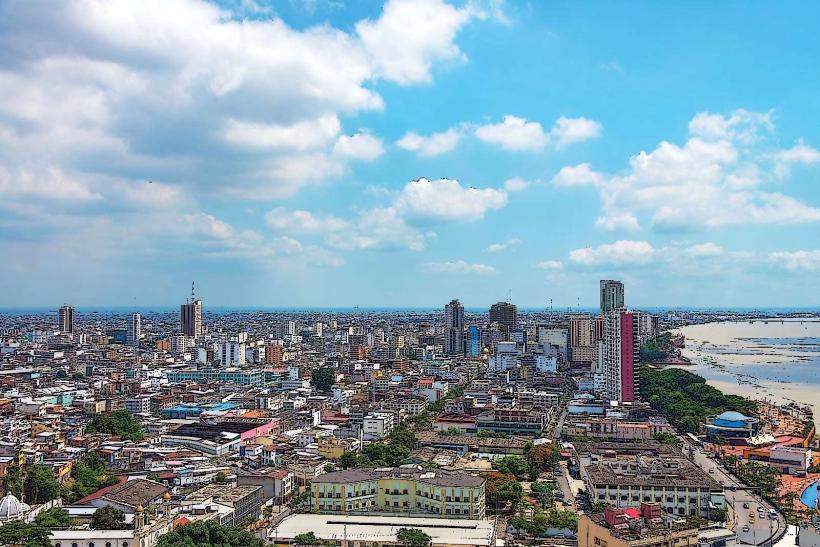
Guayaquil (officially Santiago de Guayaquil) is the largest city and the primary commercial port of Ecuador. Located on the Pacific coast at the banks of the Guayas River, it serves as the nation's economic and industrial engine.
Historical Timeline
Founded on July 25, 1538, by Francisco de Orellana, Guayaquil was the first Ecuadorian city to proclaim total independence from Spain on October 9, 1820. In 1822, it hosted the historic Guayaquil Conference between Simón Bolívar and José de San Martín to decide the future of South American liberation. Over the last two decades, the city underwent massive urban regeneration, transforming its riverfront into a modern tourist and business hub.
Demographics & Population
The estimated 2026 metropolitan population is 3.2 million. It is a young, cosmopolitan city with a "Guayaco" identity characterized by an extroverted, business-oriented culture. Growth has shifted significantly toward satellite zones like Daule and Samborondón.
Urban Layout & Key Districts
The Center (Downtown): The financial and administrative heart, home to government buildings and the Malecón 2000.
Puerto Santa Ana: The most modern luxury zone, featuring glass skyscrapers like "The Point" (the country's tallest building) and high-end hotels.
Samborondón (La Puntilla): An affluent residential enclave connected by bridges, known for luxury malls and high security.
Urdesa: A traditional neighborhood famous for its diverse culinary scene and nightlife.
Vía a la Costa: A growing residential corridor leading toward Pacific beaches.
Top City Landmarks
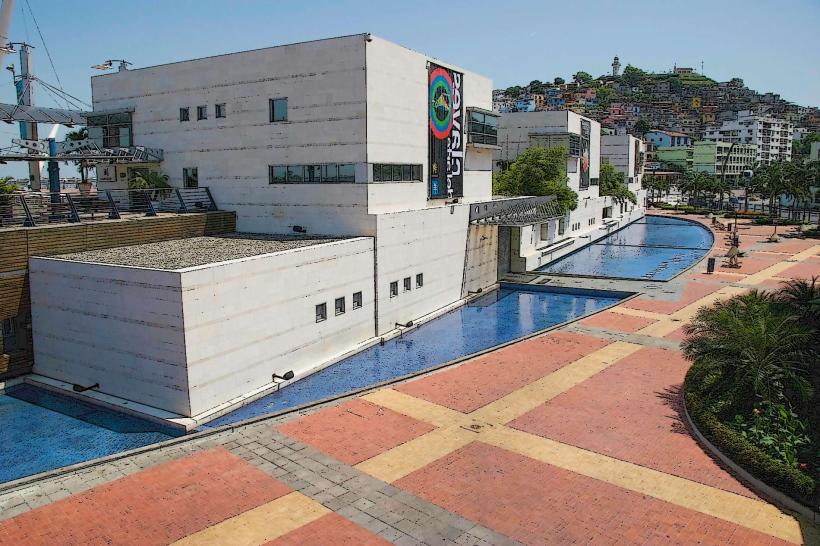
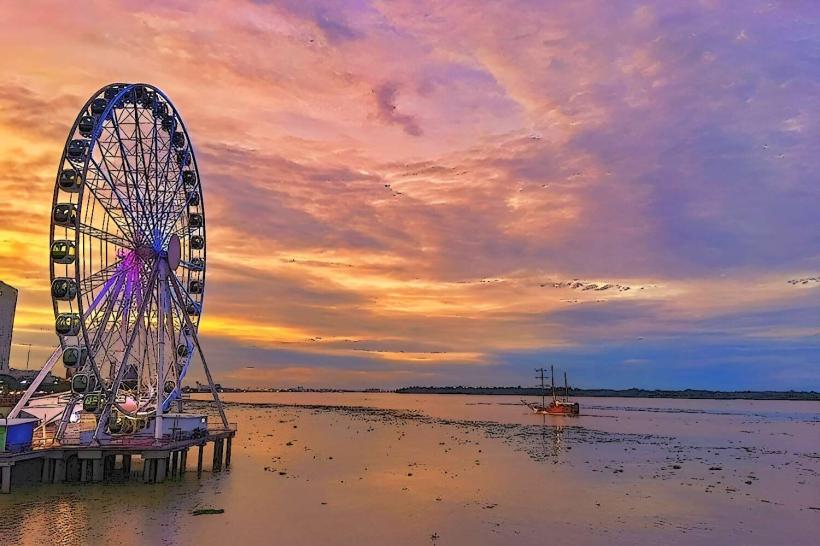
Malecón 2000: A 2.5 km riverside boardwalk featuring museums, gardens, and "La Perla" (South America’s largest Ferris wheel).
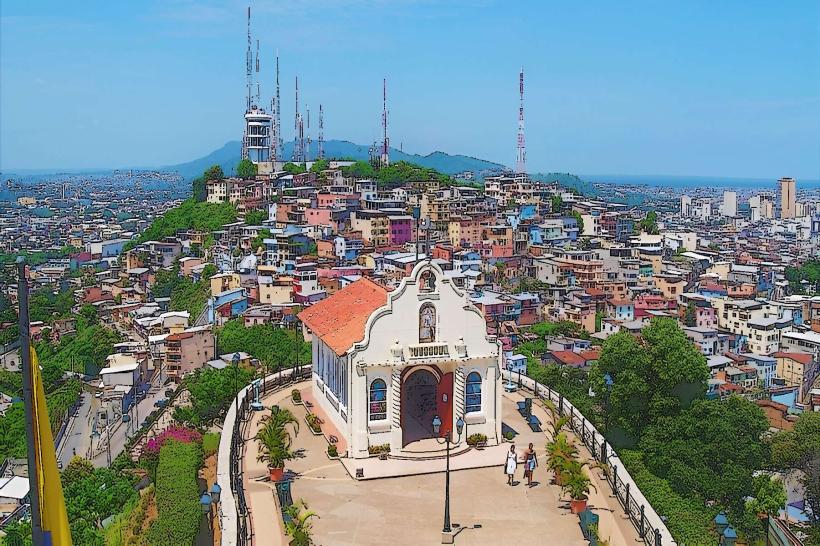
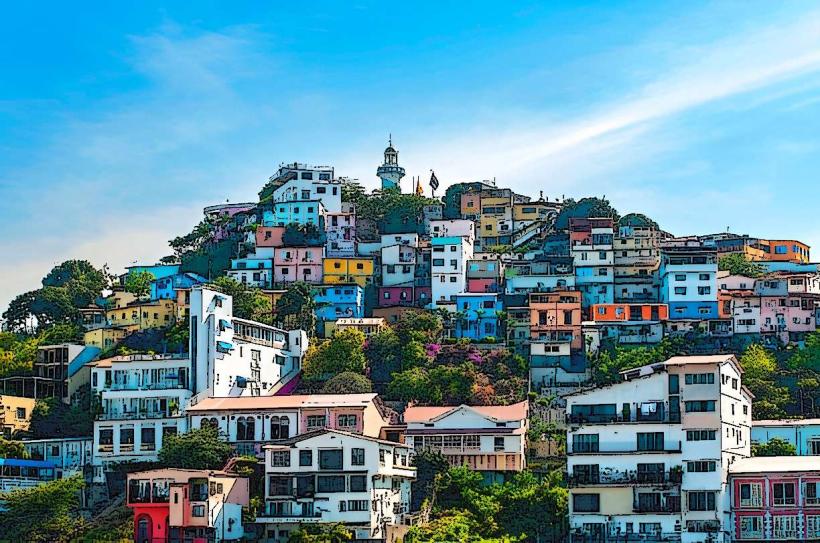
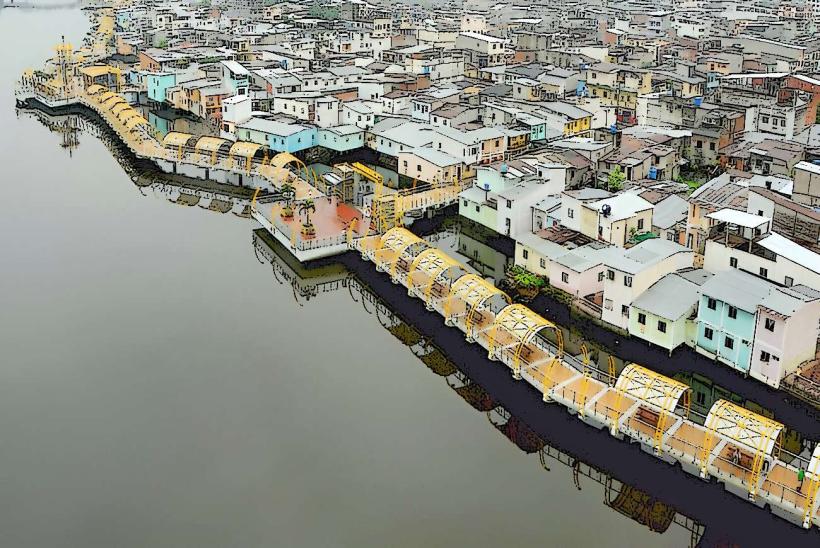
Las Peñas Neighborhood: The city's oldest district with colorful colonial houses and cobblestone streets at the foot of Santa Ana Hill.
Santa Ana Hill: A 444-step staircase leading to a lighthouse with 360° views of the city and river.
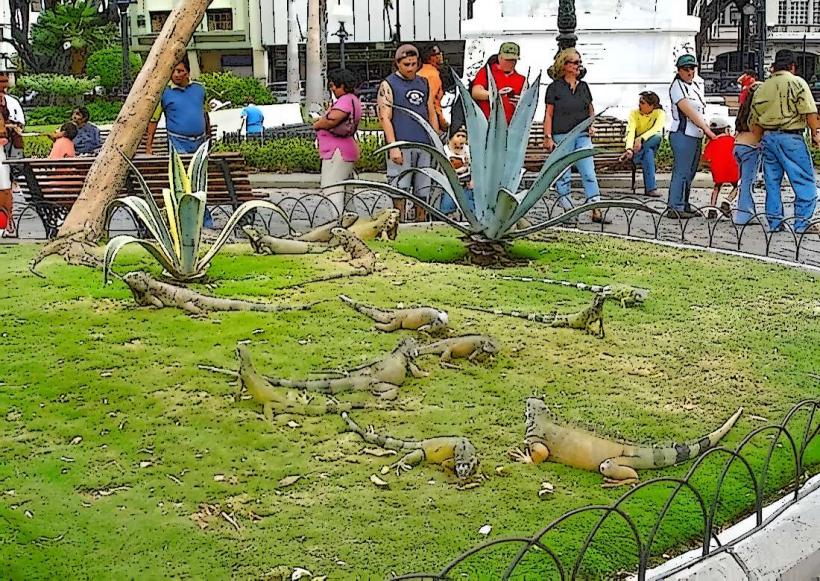
Iguana Park (Parque Seminario): A central plaza where hundreds of land iguanas roam freely among pedestrians.
Santay Island: A protected wetland connected by a pedestrian bridge, ideal for ecotourism and birdwatching.
Transportation Network
José Joaquín de Olmedo International Airport (GYE): Highly rated for efficiency, located within the city limits.
Aerovía: A suspended cable car system connecting Guayaquil with the city of Durán over the Guayas River.
Metrovía: A Bus Rapid Transit (BRT) system covering the city's main arteries.
Ride-sharing: Uber and InDrive are the standard for safe, reliable transport.
Safety & "Red Zones"
As of January 2026, Ecuador remains in a state of "Internal Armed Conflict," and high caution is advised.
Red Zones: Avoid the Southern districts (Guasmo, Isla Trinitaria) and peripheral Northwestern areas (Nueva Prosperina).
Precautions: Do not display valuables in public. Avoid walking in the city center alone after 18:00. Use only app-based transport or hotel-recommended taxis.
Digital & Financial Infrastructure
Average internet speeds range from 150-200 Mbps via fiber optics. 5G is available in Puerto Santa Ana and Samborondón. The official currency is the US Dollar ($). Card and mobile payments (Deuna, Kushki) are nearly universal in formal establishments, but cash is required for markets and public transit.
Climate & Health
The climate is tropical, hot, and humid, with temperatures between 24°C and 34°C. The rainy season (January–April) can cause sudden flash flooding. Health Risk: Due to high humidity, seasonal risks of Dengue and Zika exist; high-DEET repellent is recommended.
Culture & Gastronomy
Food: The signature dish is Encebollado (a fish soup with yuca and pickled onions), considered a national breakfast and a "hangover cure." Other staples include Arroz con Menestra (rice and beans with grilled meat) and Cangrejo Criollo (local crab).
Pace: The city is highly active; commercial life starts early (around 07:00).
Local Cost Index
Standard Lunch (Almuerzo): $4.50 – $7.00 USD
Espresso: $2.50 – $3.50 USD
Metrovía Fare: $0.30 USD
Uber Ride (Short distance): $3.00 – $5.00 USD
Nearby Day Trips
General Villamil (Playas): 90 km (Known for having one of the best climates in the world).
Salinas: 140 km (The most popular beach resort on the coast).
Puerto Hondo: 15 km (Mangroves for canoe trips and nature viewing).