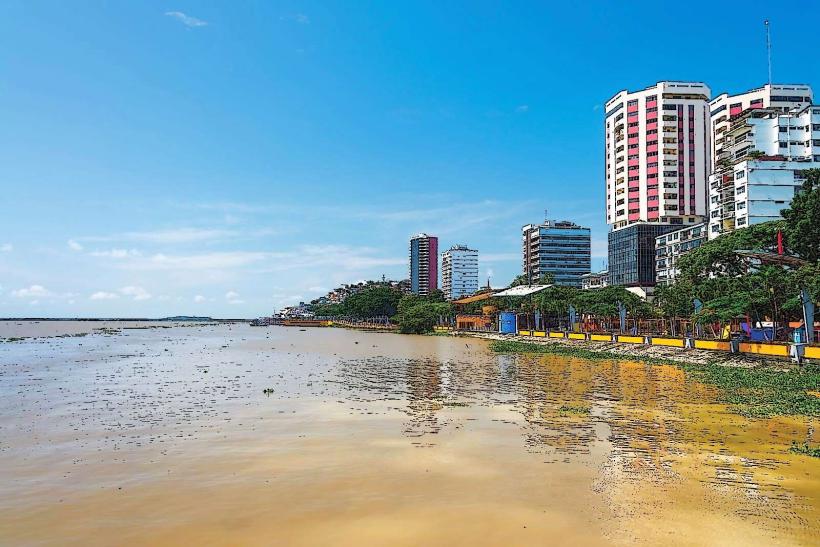
Landmark: Río Guayas
City: Guayaquil
Country: Ecuador
Continent: South America
Río Guayas, Guayaquil, Ecuador, South America
The Río Guayas is a major river in Ecuador, flowing through the city of Guayaquil.
It is the largest river in Ecuador by discharge volume and drainage basin area.
Visual Characteristics
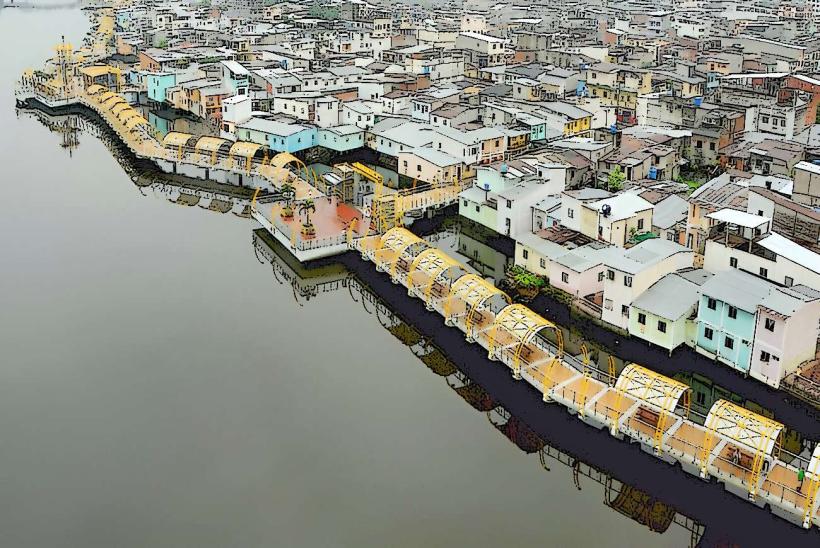
The river's water color is typically brown due to sediment load from the Andes. The width varies, averaging 1.5 kilometers in the Guayaquil area. The banks are largely urbanized with concrete embankments and port facilities, interspersed with mangrove areas further downstream.
Location & Access Logistics
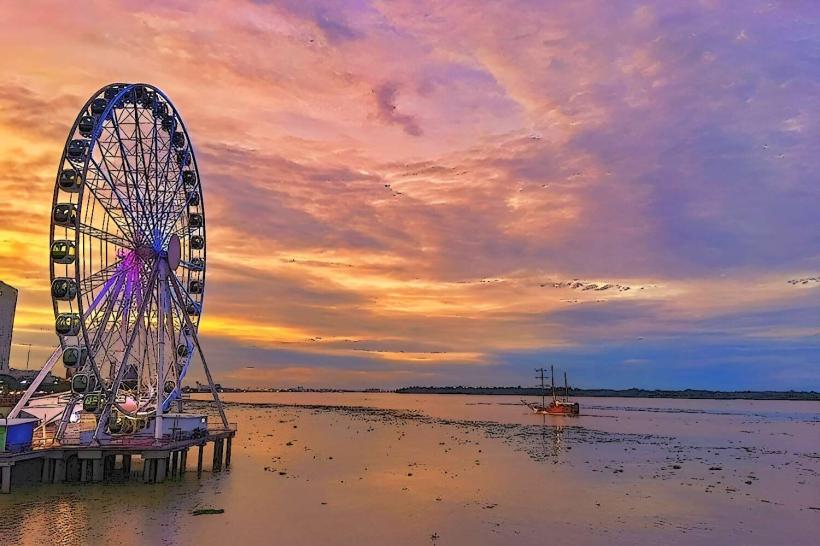
The Río Guayas runs through Guayaquil, Ecuador's largest city. Access points within the city are numerous, including the Malecón 2000 promenade, which runs along the river's western bank. Several public bus routes serve the Malecón area. Parking is available at designated lots along the Malecón, with fees applicable. Boat tours depart from the Malecon's tourist docks.
Historical & Ecological Origin
The river basin is primarily formed by tectonic activity and erosion over millennia. It drains a significant portion of western Ecuador, collecting water from the Andes mountains. Historically, the river has been a vital transportation route for trade and settlement, with Guayaquil developing as its primary port city.
Key Highlights & Activities
Boat tours offer views of the city skyline and port activity. Kayaking is possible in designated calmer sections. Birdwatching is common in the mangrove areas. Fishing is practiced by local residents.
Infrastructure & Amenities
Restrooms are available along the Malecón 2000. Shade structures are present on the Malecón. Cell phone signal (4G/5G) is generally strong in urban areas. Food vendors and restaurants are located along the Malecón 2000.
Best Time to Visit
For photography, late afternoon provides softer light on the city. The dry season, from June to December, generally offers clearer skies. High tide can increase water levels, affecting visibility of riverbanks.
Facts & Legends
The river is known for its significant tidal bore, a phenomenon where the incoming tide creates a wave that travels upstream. Local folklore sometimes refers to mythical creatures inhabiting its depths.
Nearby Landmarks
- Malecón 2000 (0.1km West)
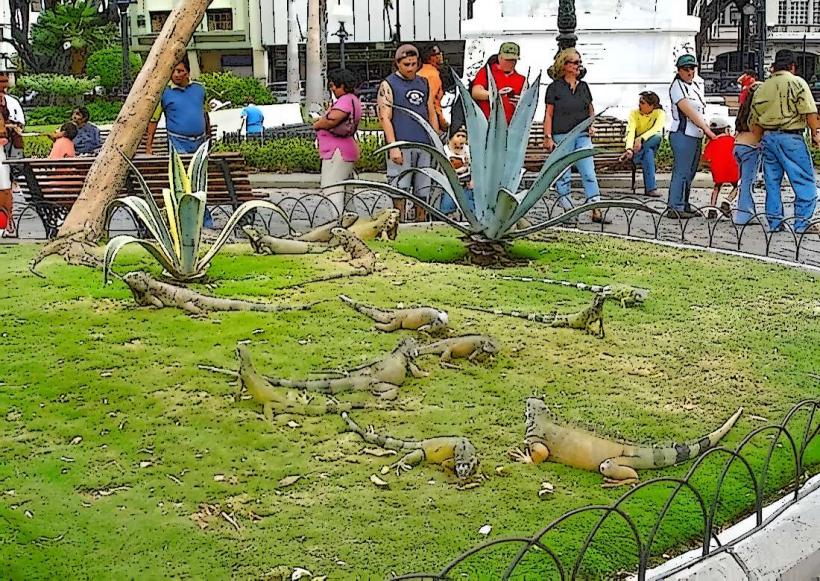
- Parque de las Iguanas (1.2km West)
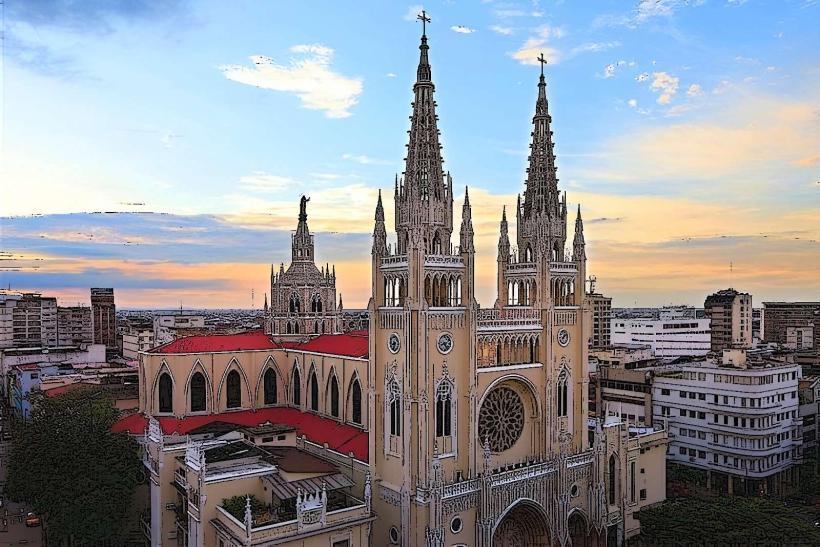
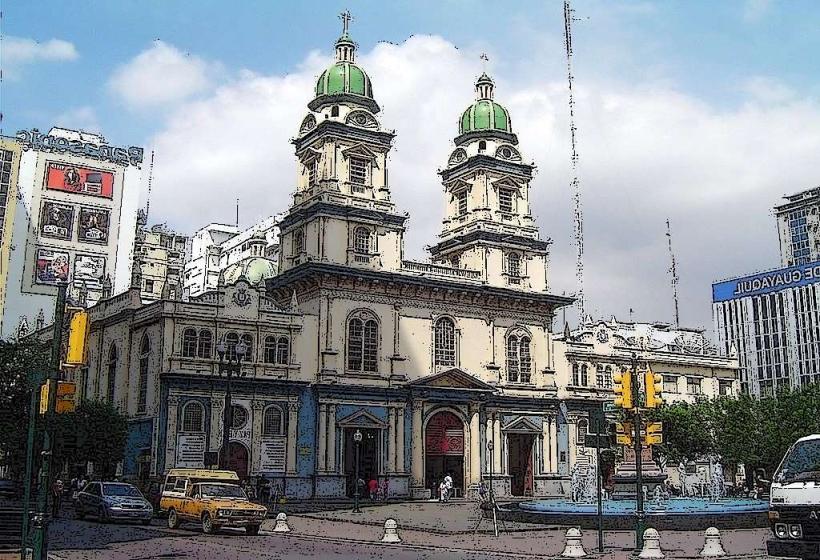
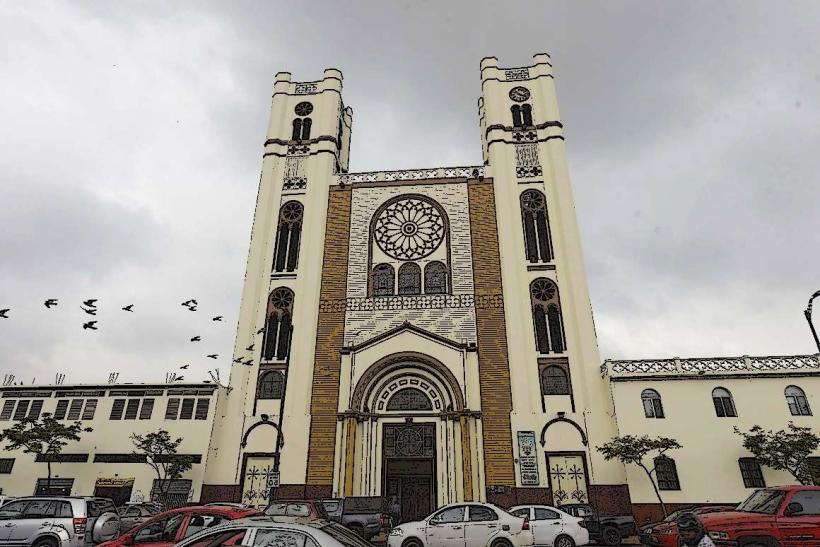
- Metropolitan Cathedral of Guayaquil (1.5km West)
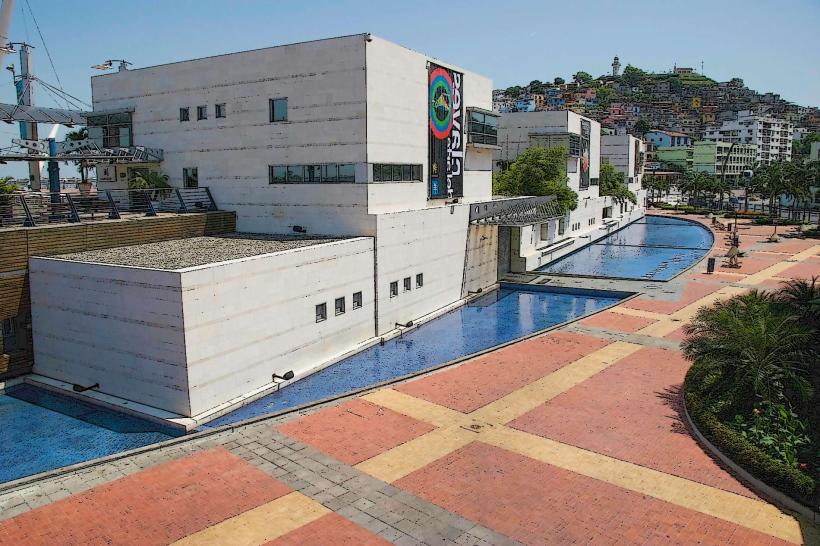
- Museo Antropológico y de Arte Contemporáneo (MAAC) (0.8km West)
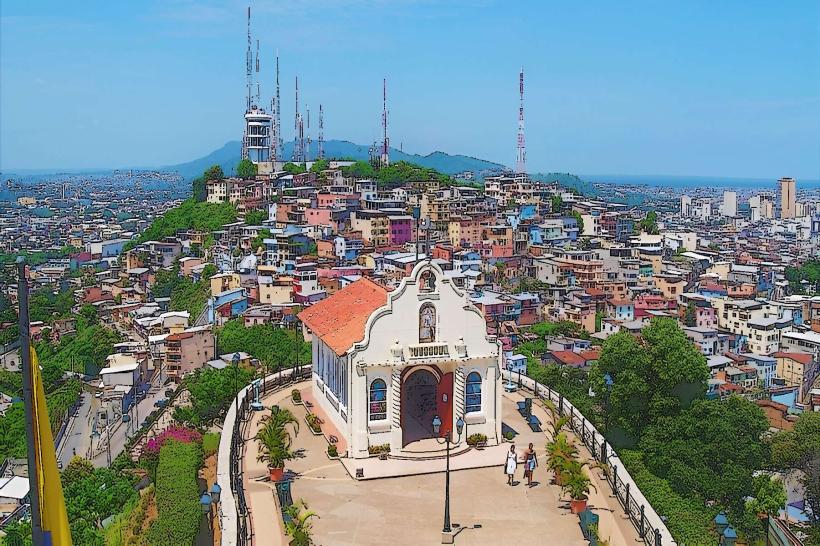
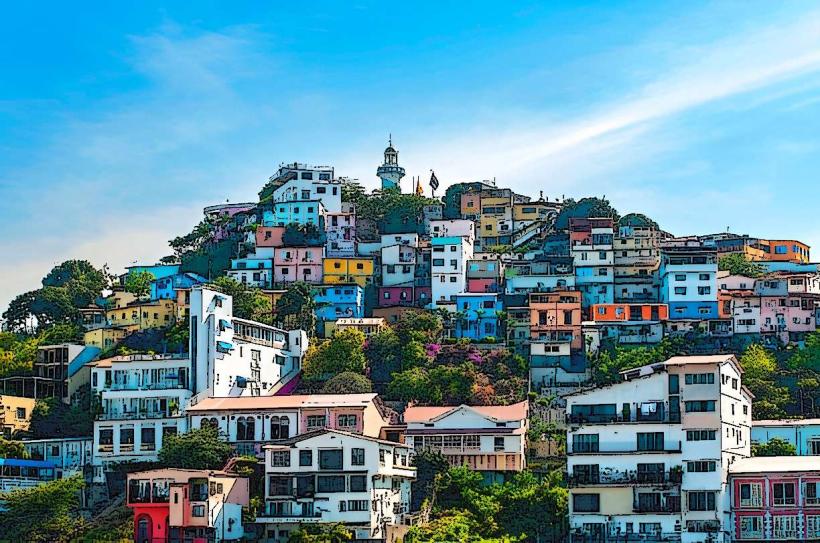
- Cerro Santa Ana (1.8km West)