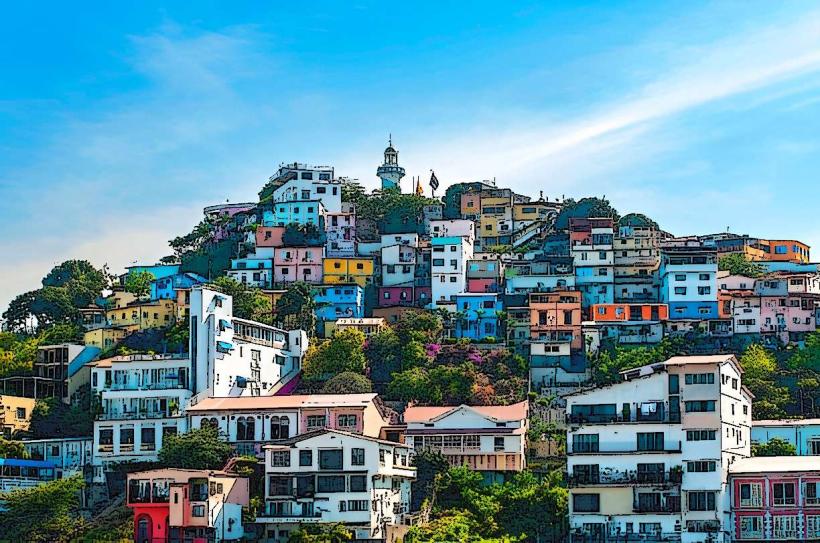
Landmark: Cerro Santa Ana
City: Guayaquil
Country: Ecuador
Continent: South America
Cerro Santa Ana, Guayaquil, Ecuador, South America
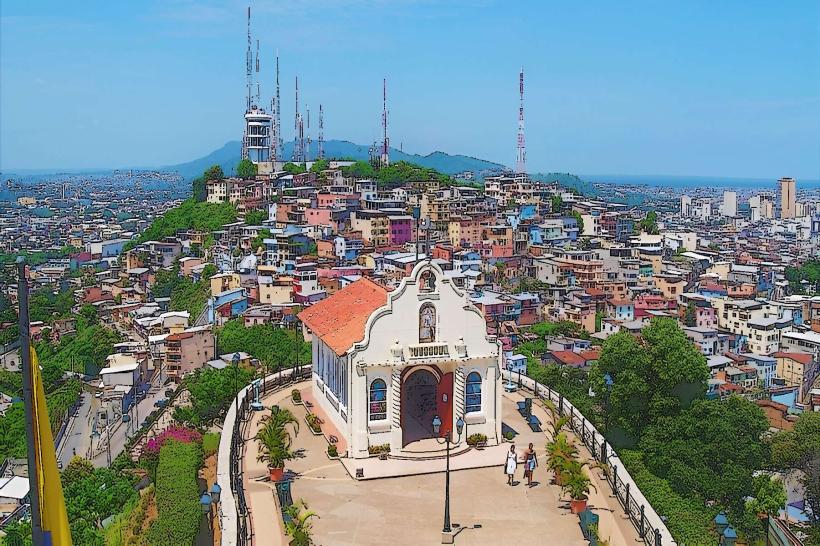
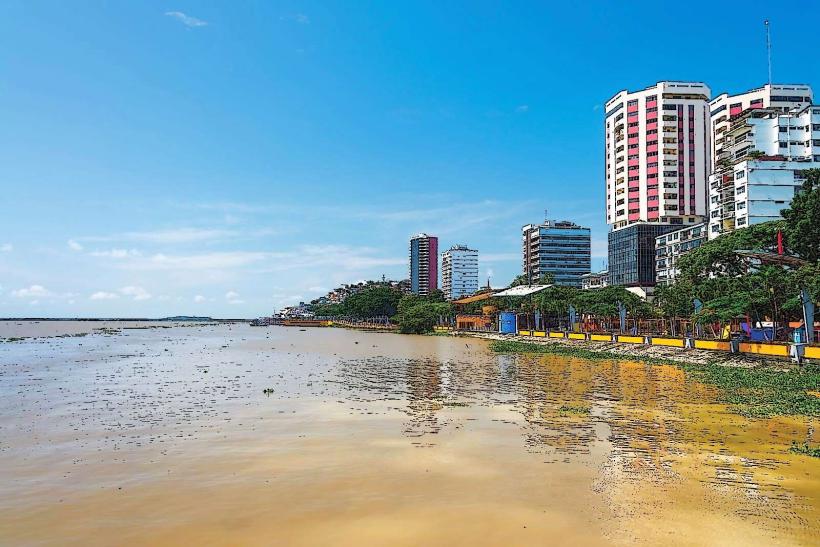
Cerro Santa Ana is a prominent hill located in the city of Guayaquil, Ecuador. It is a significant urban landmark offering panoramic views of the Guayas River and the surrounding cityscape.
Visual Characteristics
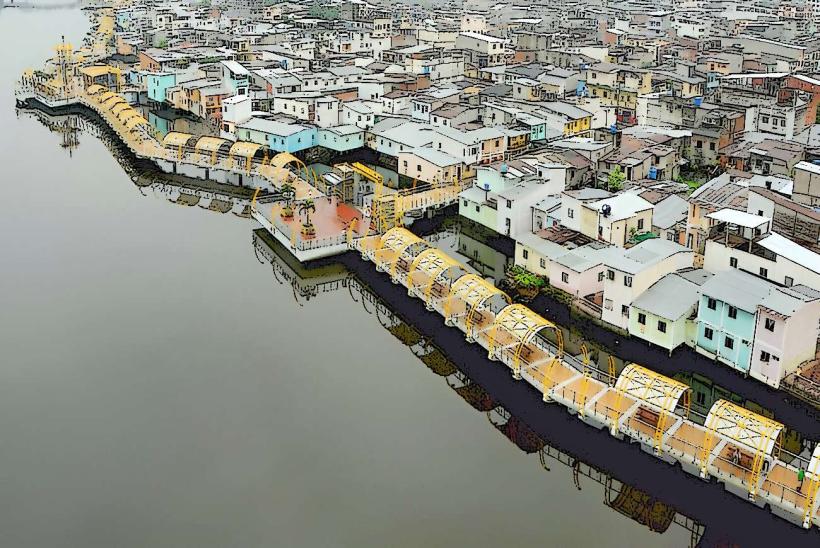
The hill is characterized by a series of brightly painted houses and buildings constructed primarily from concrete and wood. The structures ascend the hillside in a dense arrangement. The dominant colors are varied, including blues, yellows, reds, and greens. At the summit, a white lighthouse and a small chapel are visible.
Location & Access Logistics
Cerro Santa Ana is situated in the Las Peñas neighborhood, adjacent to the Malecón 2000 boardwalk. It is approximately 1km east of the city center. Access is primarily via a pedestrian staircase comprising 444 steps, starting from Calle Numa Pompilio Llona. Limited street parking is available at the base of the hill; however, it is often congested. Public transport, including various bus lines serving the Malecón 2000 area, provides access to the vicinity.
Historical & Ecological Origin
The hill's origins are tied to the early settlement of Guayaquil. It served as a defensive position in colonial times. The current structures were largely developed in the late 19th and early 20th centuries, with significant revitalization efforts undertaken in the early 2000s. Ecologically, it is an urbanized hill with limited natural vegetation, primarily consisting of ornamental plants and trees.
Key Highlights & Activities
Climbing the 444 steps to the summit is the primary activity. Visitors can explore the narrow streets and observe the architecture. At the summit, the lighthouse offers elevated viewpoints. The chapel is open for visits. Art galleries and small artisan shops are located along the ascent.
Infrastructure & Amenities
Restrooms are available at the summit and at various points along the ascent. Shade is provided by awnings and the buildings themselves. Cell phone signal (4G/5G) is generally strong throughout the area. Small food and beverage vendors are present on the hill, particularly near the summit.
Best Time to Visit
The best time of day for photography is late afternoon, approximately 1-2 hours before sunset, for optimal lighting conditions. The months of June through November offer drier weather. High tide on the Guayas River is not a direct factor for visiting the hill itself.
Facts & Legends
A local legend states that the hill was named after Saint Anne, the mother of the Virgin Mary, due to a small chapel dedicated to her that was built on its slopes centuries ago. The revitalization project transformed the formerly neglected area into a popular tourist destination.
Nearby Landmarks
- Malecón 2000 (0.2km West)
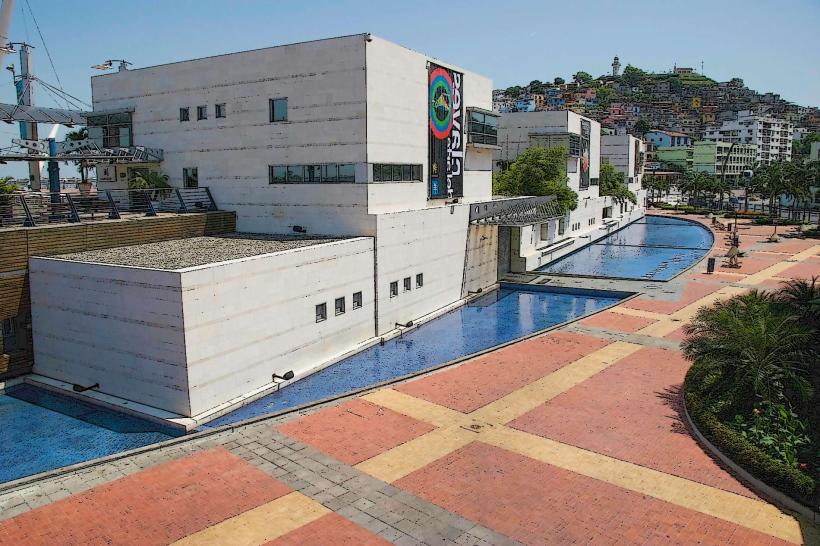
- Museo Antropológico y de Arte Contemporáneo (MAAC) (0.3km West)
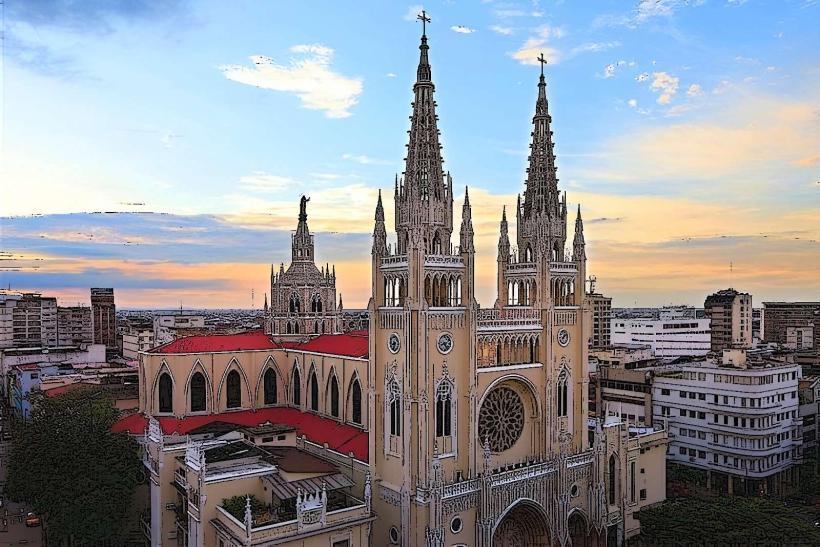
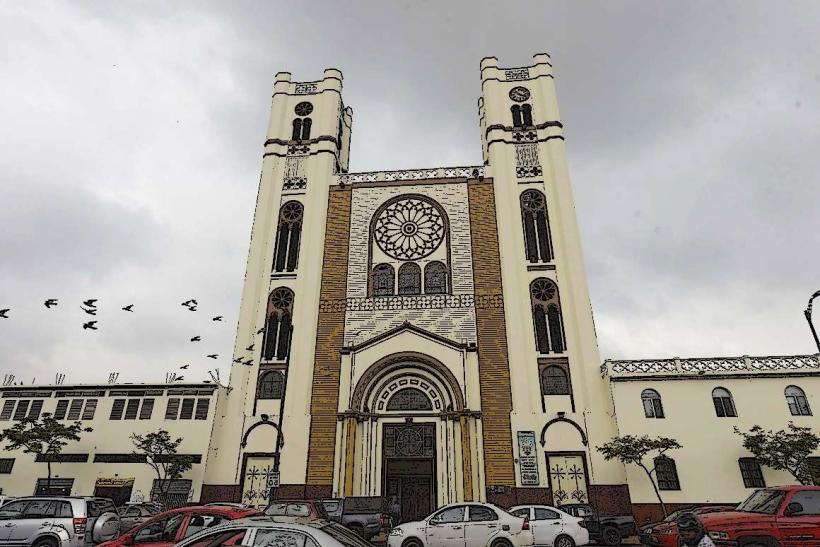
- Iglesia de La Merced (0.8km Southwest)
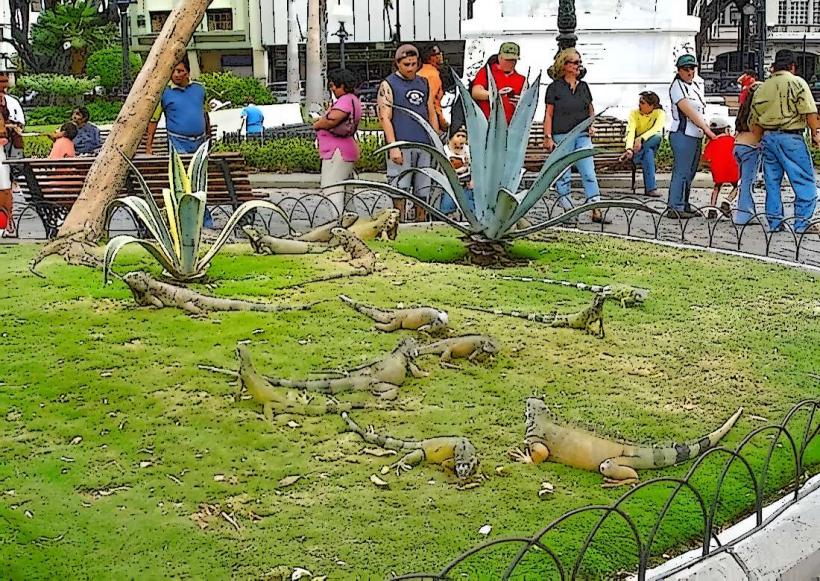
- Parque de las Iguanas (0.9km Southwest)
- Mercado Artesanal Guayaquil (1.1km Southwest)