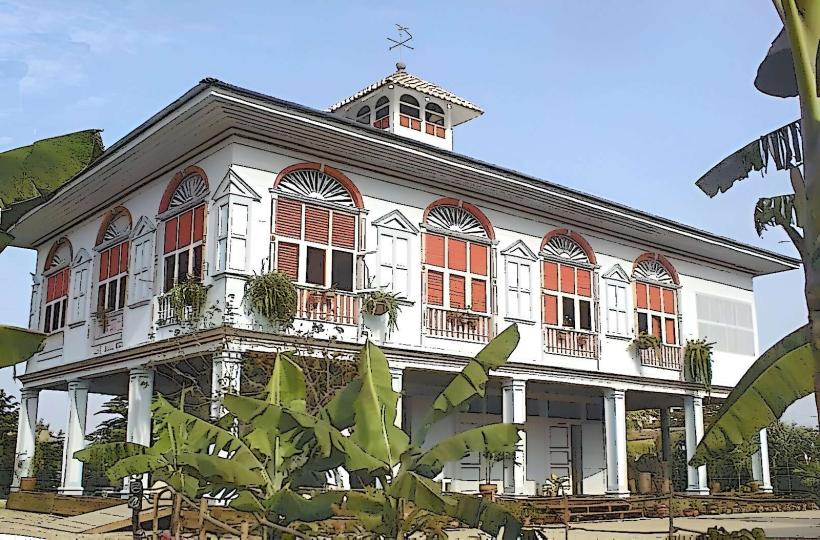
Landmark: Parque Histórico de Guayaquil
City: Guayaquil
Country: Ecuador
Continent: South America
Parque Histórico de Guayaquil, Guayaquil, Ecuador, South America
Parque Histórico de Guayaquil is a cultural and ecological park located in the city of Guayaquil, Ecuador. It preserves historical buildings and showcases local flora and fauna.
Visual Characteristics
The park features reconstructed colonial-era buildings constructed from wood and stucco, painted in muted earth tones. The grounds include dense tropical vegetation, a riverfront area, and open grassy spaces. The animal exhibits house various species in enclosures designed to mimic their natural habitats.
Location & Access Logistics
Parque Histórico de Guayaquil is situated approximately 10 kilometers northwest of Guayaquil's city center, along the Daule River. Access is via the Carlos Luis Plaza Dañín highway. Public transport options include bus lines 65 and 123, which stop near the park entrance. Limited parking is available on-site.
Historical & Ecological Origin
The park was established to preserve and exhibit elements of Guayaquil's history and biodiversity. The historical sector reconstructs buildings from the late 19th and early 20th centuries, representing the city's architectural heritage. The ecological sector focuses on the coastal rainforest ecosystem of the region.
Key Highlights & Activities
Visitors can explore the reconstructed historical buildings, observe native wildlife in the zoo section, and walk along the riverfront pathways. Educational exhibits detail the region's natural and cultural history. Boat tours on the Daule River are sometimes available.
Infrastructure & Amenities
Restrooms are available within the park. Shaded areas are provided by trees and some covered structures. Cell phone signal (4G) is generally consistent within the park. Food vendors are present near the main entrance and within designated areas.
Best Time to Visit
The best time of day for visiting is in the morning or late afternoon to avoid the peak heat of midday. The dry season, from June to November, offers more predictable weather. High tide is not a factor for park access.
Facts & Legends
A specific architectural detail to note is the use of traditional Guayaquil construction techniques in the replicated buildings, such as the use of balsa wood for structural elements and clay tiles for roofing.
Nearby Landmarks
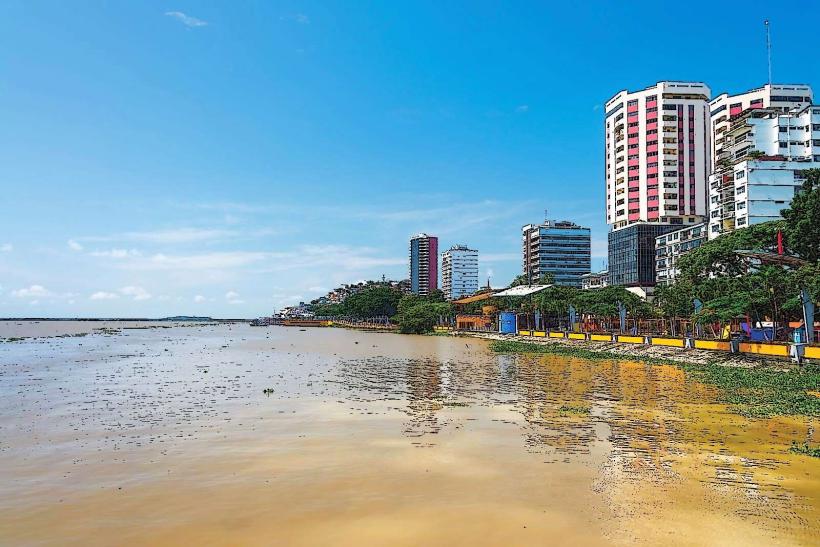
- Malecon 2000 (8km Southeast)
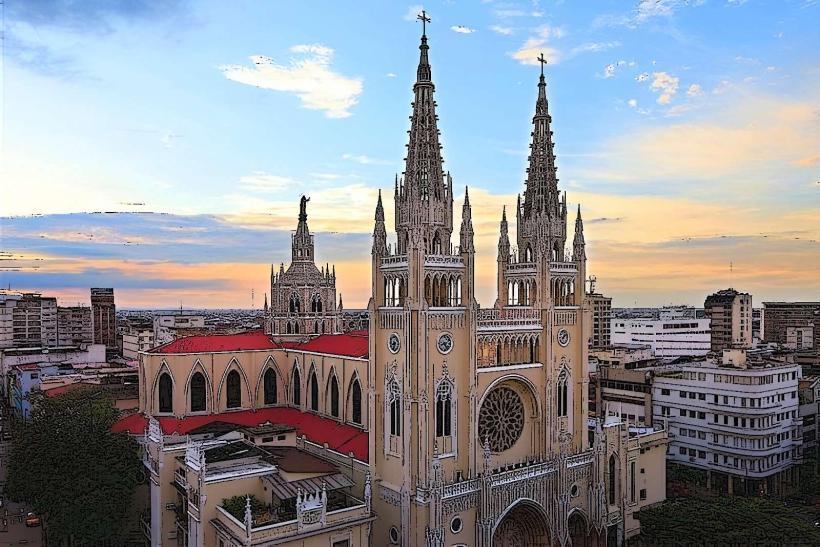
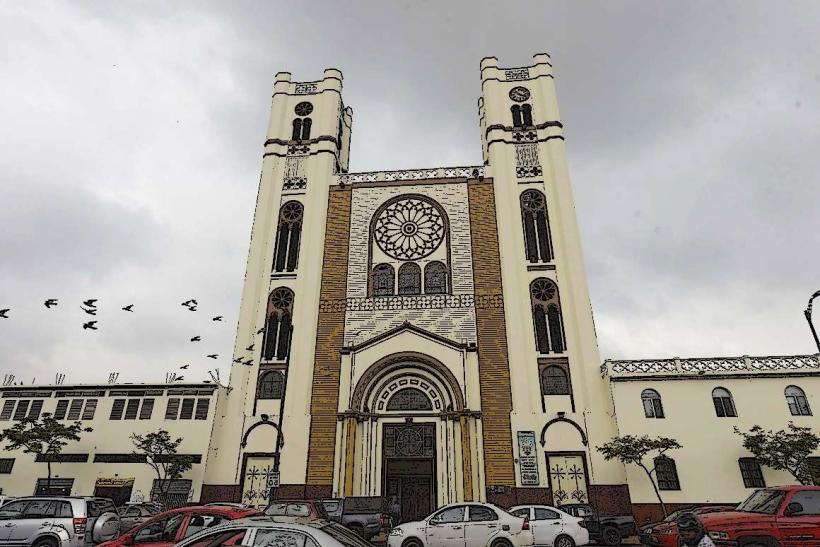
- Metropolitan Cathedral of Guayaquil (9km Southeast)
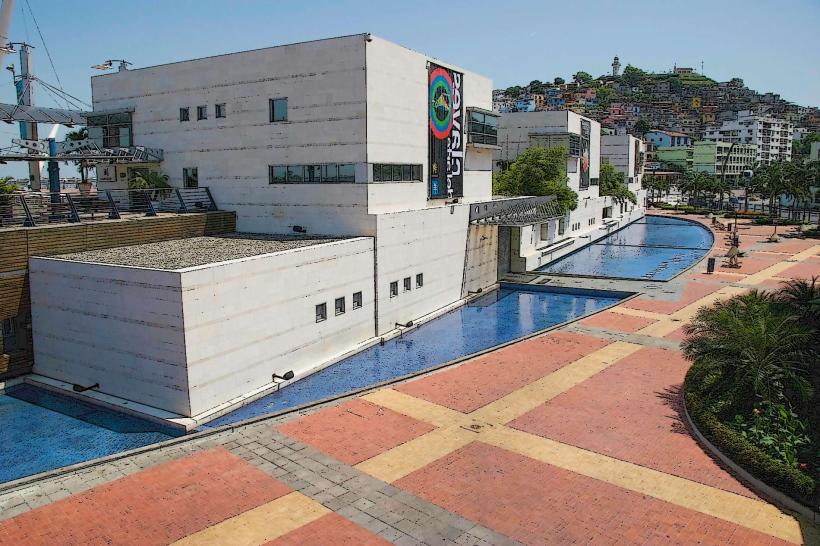
- Museo Antropológico y de Arte Contemporáneo (MAAC) (9km Southeast)
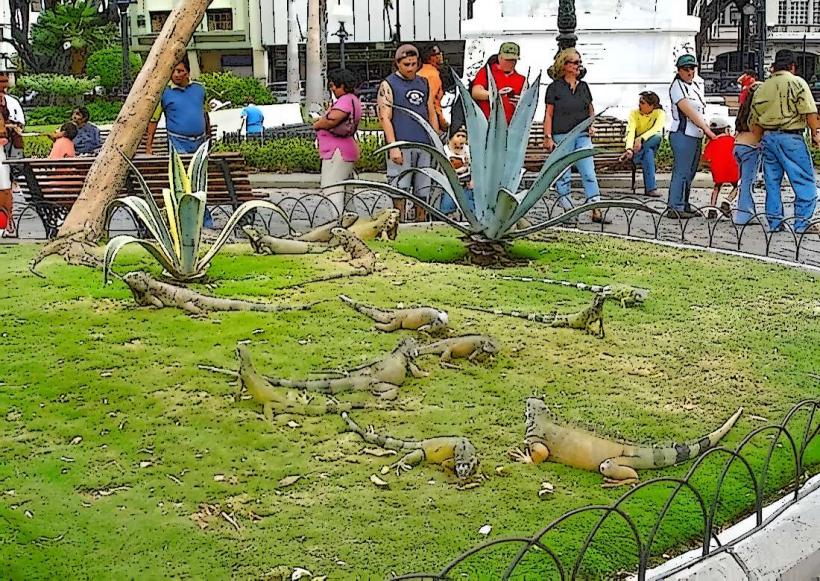
- Parque de las Iguanas (9km Southeast)