City: Jounieh
Country: Lebanon
Continent: Asia
Jounieh, Lebanon, Asia
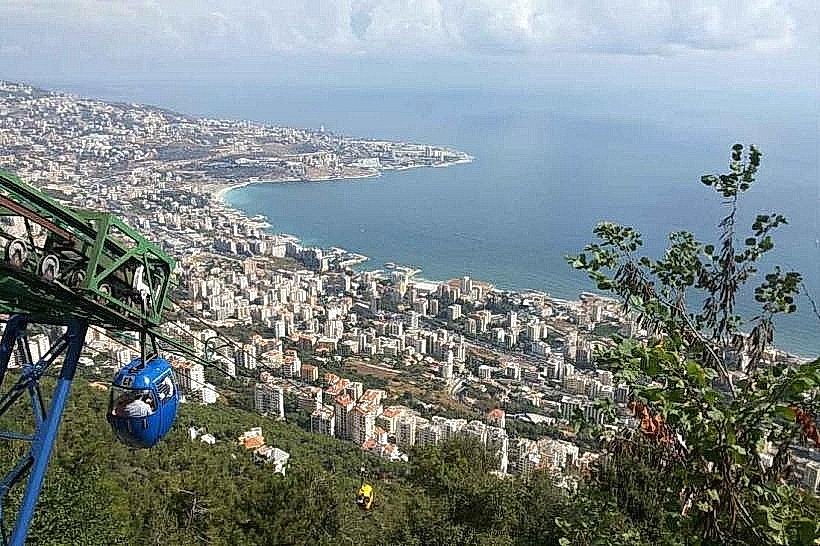
Jounieh serves as the administrative center of the Keserwan District and is a critical node for Lebanon's tourism and maritime services. It is situated 16 kilometers north of Beirut along a crescent-shaped bay on the Mediterranean coast, backed by the steep slopes of the Lebanon Mountains.
Historical Timeline
Jounieh originated as a small Phoenician fishing village and remained a modest settlement throughout the Crusader and Mamluk periods. Its transformation into a significant urban center began in the late 19th century during the Ottoman era with the construction of a silk factory and a small port. The city’s modern urban form was primarily defined during the Lebanese Civil War (1975–1990), when it served as a primary commercial and residential alternative to Beirut, leading to rapid, high-density vertical development along the coastline and mountain ridges.
Demographics & Population
The total population of Jounieh and its immediate suburbs is approximately 110,000. The demographic is overwhelmingly Lebanese Maronite Christian. The median age is approximately 32 years, reflecting a stable residential population supplemented by a transient workforce in the service sector.
Urban Layout & Key Districts
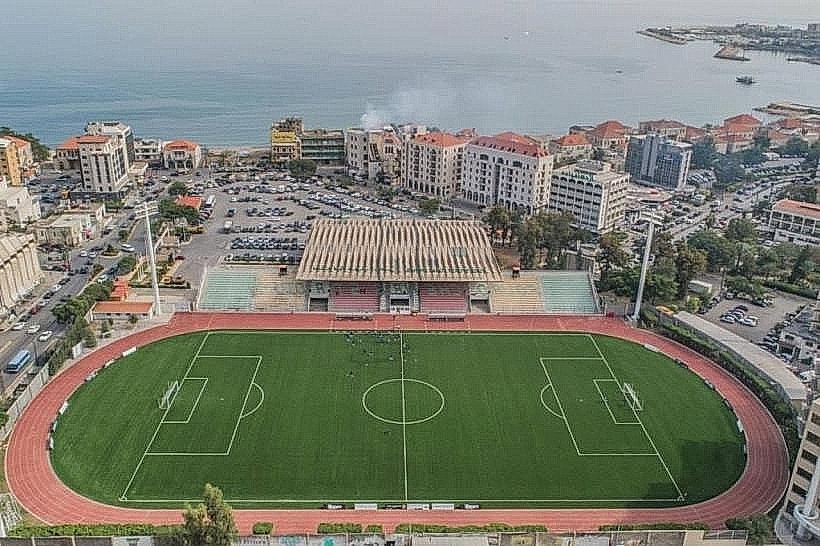
The city is confined by a narrow coastal strip between the Mediterranean Sea and the foothills of Mount Harissa.
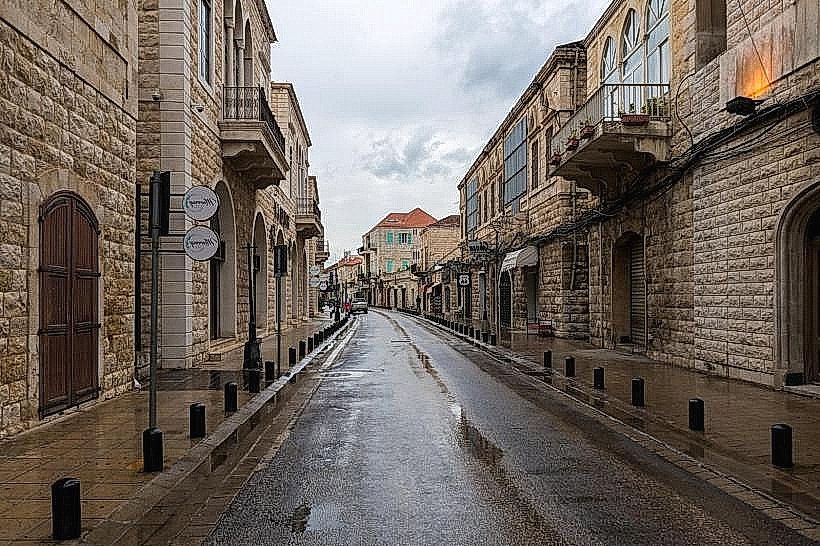
Old Souk: Located at the northern end of the bay, featuring traditional stone architecture and pedestrian zones.
Maameltein: The northernmost district, serving as the city’s primary entertainment and nightlife hub.
Sarba and Ghadir: Residential and commercial sectors located in the central and southern parts of the city.
Top City Landmarks
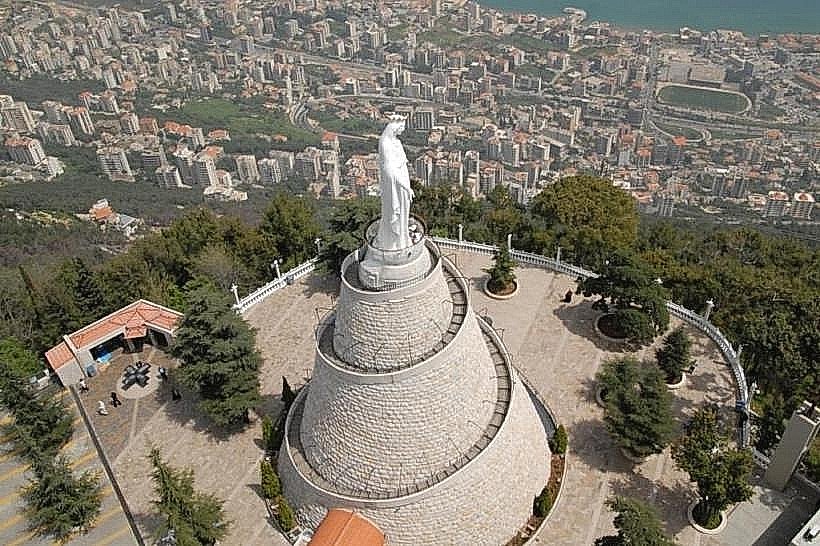
Our Lady of Lebanon (Harissa): A massive bronze statue and pilgrimage site accessible by cable car.
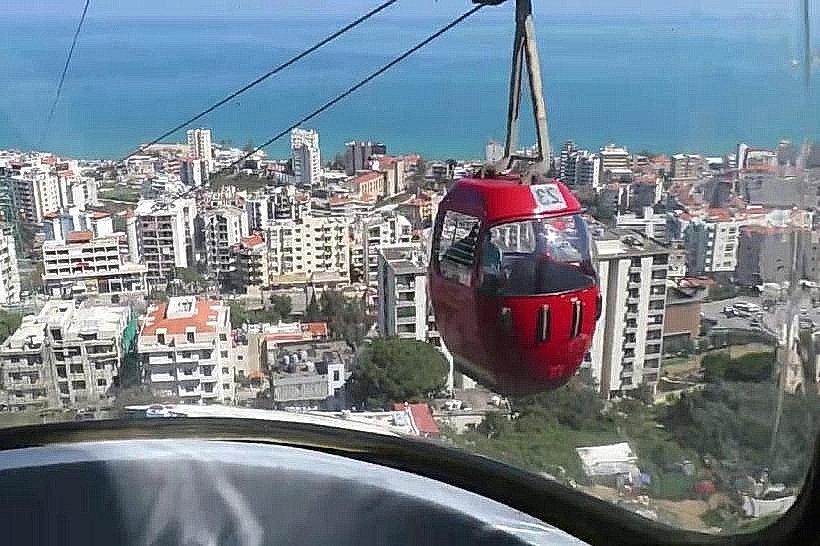
Téléphérique de Jounieh: The gondola system connecting the coastal highway to the mountain peak of Harissa.
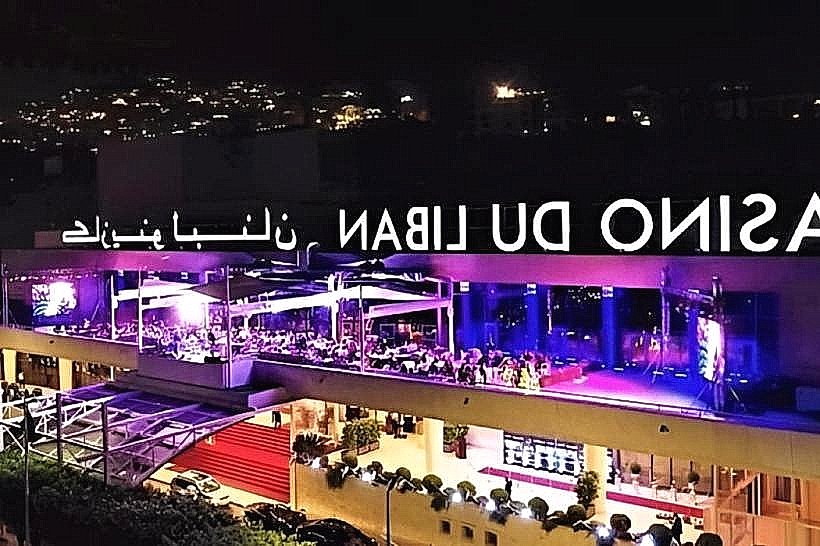
Casino du Liban: A major historical and architectural landmark located at the northern edge of the city.
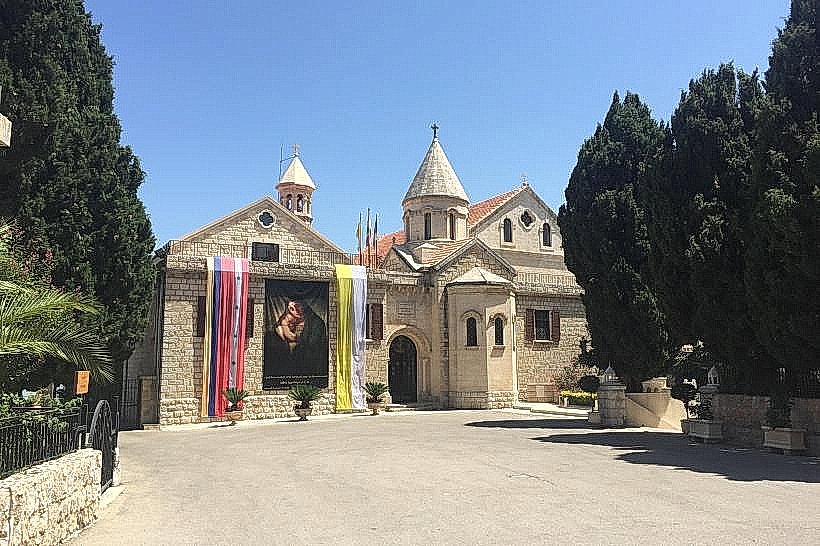
St. George's Church (Old Souk): A historic church reflecting the traditional stone masonry of the region.
The Stone Bridge: An Ottoman-era bridge located in the northern Maameltein area.
Transportation Network
Internal transit is dominated by private vehicles and taxis. There is no rail or metro infrastructure. The city is bisected by the North Lebanon Highway, which experiences severe congestion during peak hours. Ride-sharing via Uber and Bolt is functional. Official taxis (red plates) and "Service" (shared taxis) operate along the main coastal road and the highway.
Safety & "Red Zones"
Jounieh is considered one of the safest cities in Lebanon for international travelers. There are no specific "no-go" zones. In the Maameltein district, visitors should be aware of aggressive solicitation near adult entertainment venues. Petty crime is rare, but standard precautions regarding personal belongings in crowded Souks are advised.
Digital & Financial Infrastructure
Average internet speeds range between 25 and 55 Mbps. Mobile coverage is provided by Alfa and Touch, with strong 4G signals throughout the bay area. The economy is heavily dollarized; USD is accepted everywhere alongside the Lebanese Pound (LBP). Credit card acceptance is high in hotels, large restaurants, and the Casino, but cash remains necessary for Souk vendors and local transport.
Climate & Air Quality
Jounieh experiences a Mediterranean climate with high humidity in summer (July–August), with temperatures ranging from 24°C to 31°C. Winter is mild and wet (December–February), with temperatures between 11°C and 17°C. Air quality is generally better than Beirut due to sea breezes, though localized smog occurs near the highway during peak traffic.
Culture & Social Norms
The social environment is liberal and Westernized. Tipping is customary at 10%. Modest dress is expected only when visiting religious sites like the Harissa Basilica. Standard greetings are handshakes. Alcohol is sold freely and is a central part of the local social and nightlife scene.
Accommodation Zones
Jounieh Bayfront: Recommended for visitors desiring proximity to beach resorts and the Téléphérique.
Old Souk Area: Recommended for those seeking boutique hotels and walking access to traditional cafes and historical sites.
Local Cost Index
1 Espresso: 215,000 LBP ($2.30 USD)
1 Standard Lunch: 1,128,000 LBP ($12.00 USD)
1 Taxi Trip (Internal): 470,000 LBP ($5.00 USD)
Nearby Day Trips
Byblos (Jbeil): Ancient Phoenician city and harbor (18 km).
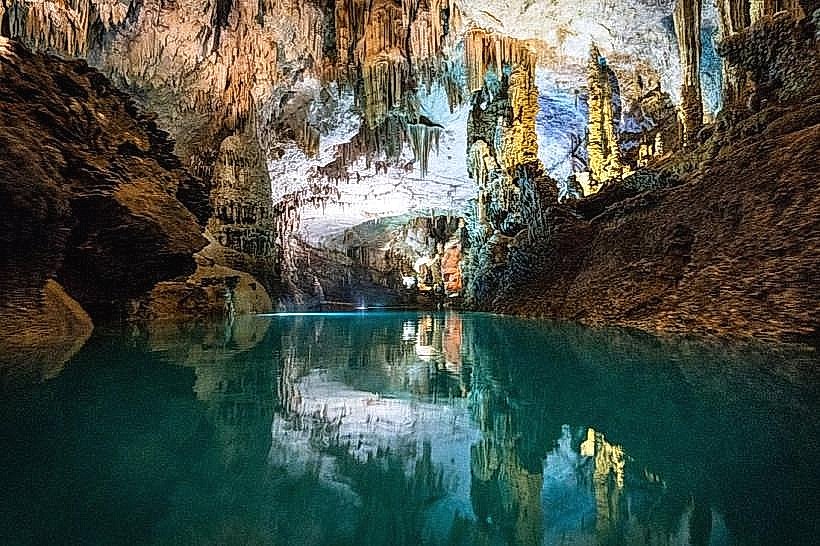
Jeita Grotto: Massive crystallized caves located inland (10 km).
Faqra Ruins: Roman temples and natural stone bridge in the mountains (35 km).
Mzaar Kfardebian: Lebanon's primary ski resort area (40 km).
Facts & Legends
Local maritime legend suggests that the bay of Jounieh was once a site for ancient pearl diving, though no archaeological evidence supports a large-scale industry. A verified historical oddity is that during the 19th century, the city's silk production was so significant that the local port was specifically expanded to facilitate direct trade with Lyon, France, bypassing the larger port of Beirut.