Landmark: Jeita Grotto
City: Jounieh
Country: Lebanon
Continent: Asia
Jeita Grotto, Jounieh, Lebanon, Asia
The Jeita Grotto is a complex of two separate but interconnected karstic limestone caves located in the Nahr al-Kalb valley in Jeita, Lebanon. It functions as the longest cave system in the Middle East, extending nearly 9 kilometers into the Mount Lebanon range.
Visual Characteristics
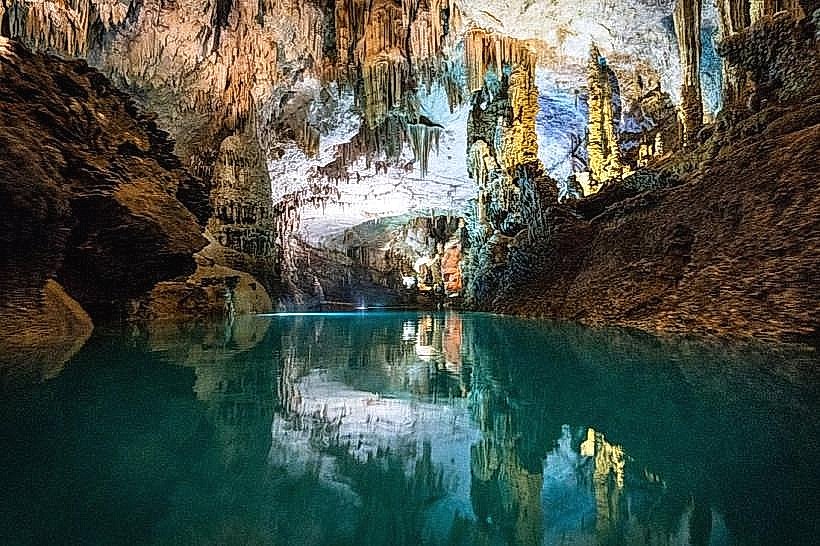
The grotto consists of an upper gallery and a lower river gallery. The upper cave features colossal white, red, and brown curtains of dripstone, including a stalactite measuring 8.2 meters, one of the largest in the world. The lower gallery is characterized by a subterranean river, deep blue water, and smooth, water-eroded rock walls that create a series of natural cathedral-like halls.
Location & Access Logistics
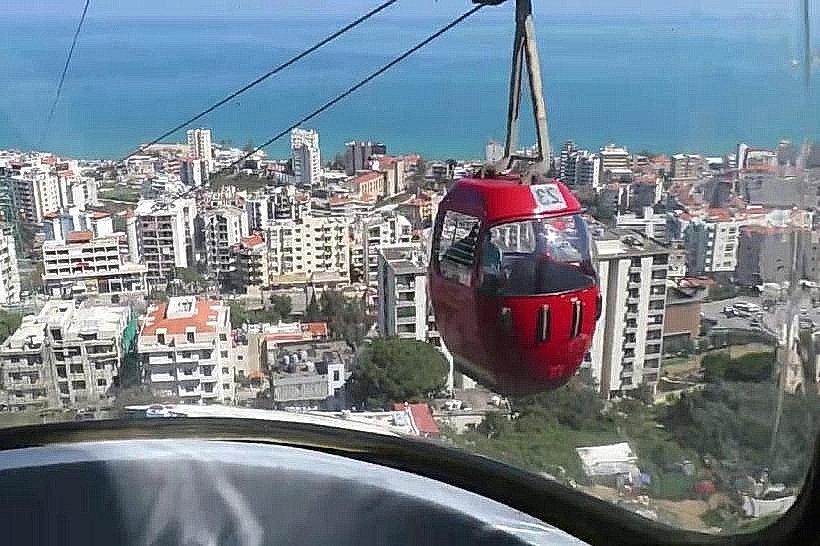
The site is situated 18km north of Beirut, accessible via the Beirut-Tripoli highway with a turnoff at the Nahr al-Kalb bridge toward Jeita. Access within the facility is managed by a dedicated cable car (telepherique) or a miniature train that transports visitors from the ticketing office to the cave entrances. Private car parking is available on-site in large designated lots; public transport involves taking a bus to the Zouk Mosbeh highway junction followed by a local taxi.
Historical & Ecological Origin
The lower cave was rediscovered in 1836 by Reverend William Thomson, an American missionary, while the upper galleries were found in 1958 by Lebanese speleologists. Geologically, the caves were formed over millions of years by the chemical dissolution of limestone by slightly acidic rainwater and the flow of the Nahr al-Kalb river, which provides the primary drinking water source for millions of Beirut residents.
Key Highlights & Activities
Visitors traverse the lower grotto via flat-bottomed electric boats on the subterranean river. The upper grotto is explored on foot via a 750-meter concrete walkway designed to minimize ecological impact. Additional activities include visiting the "Guardian of the Time" sculpture and a small petting zoo located within the facility grounds.
Infrastructure & Amenities
The facility is highly developed with 5G cellular signal available in the outdoor areas, though reception is lost inside the caves. Amenities include multiple restaurants, snack bars, gift shops, and clean public restrooms. The site is equipped with paved pathways and a theater that screens a documentary on the grotto's formation.
Best Time to Visit
The best months for visiting are April through June and September through November. The lower grotto is frequently closed during the winter months (January to March) when the water level of the subterranean river rises due to heavy rain or melting snow. Mid-morning is the ideal time to avoid the peak humidity and larger tour groups.
Facts & Legends
Jeita Grotto was a top 14 finalist in the New 7 Wonders of Nature competition. A specific logistical "secret" is that photography is strictly prohibited inside the caves; visitors must deposit their cameras and mobile phones in secure lockers at the entrance to protect the delicate cave environment from light pollution and flash damage.
Nearby Landmarks
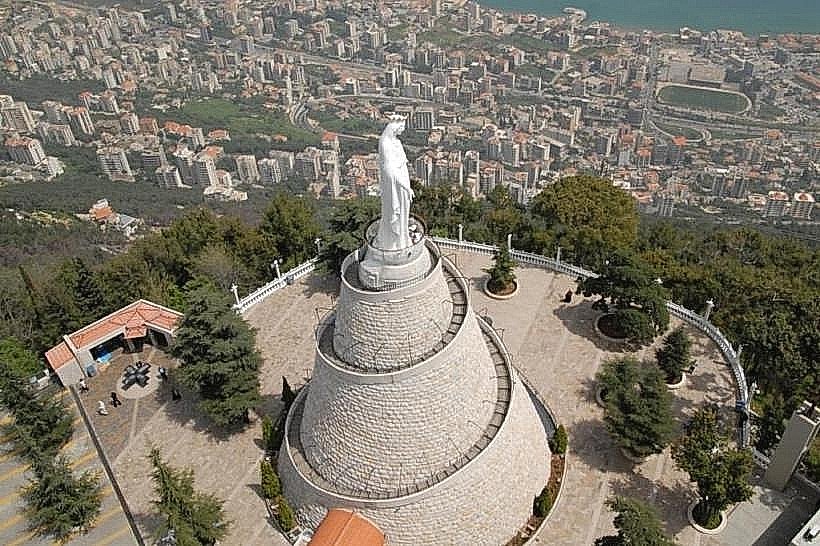
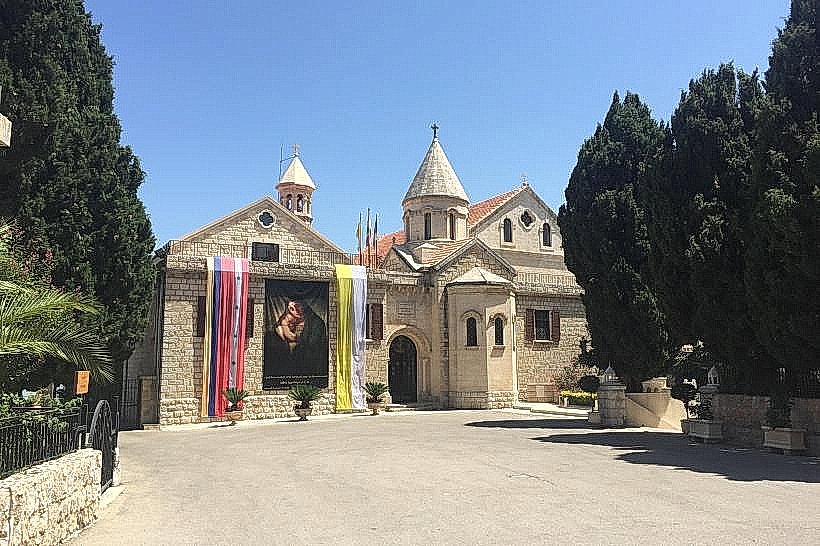
Our Lady of Lebanon (Harissa) (4.2km Northwest)
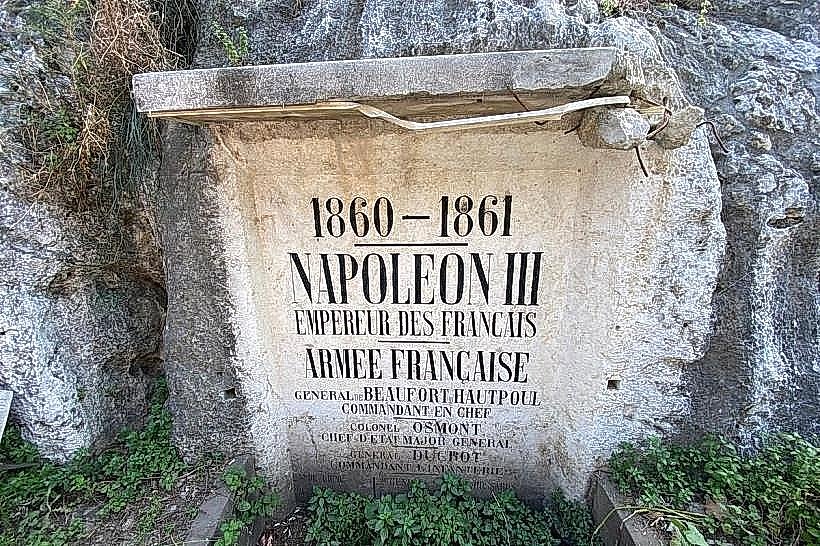
Nahr al-Kalb Commemorative Stelae (3.5km Southwest)
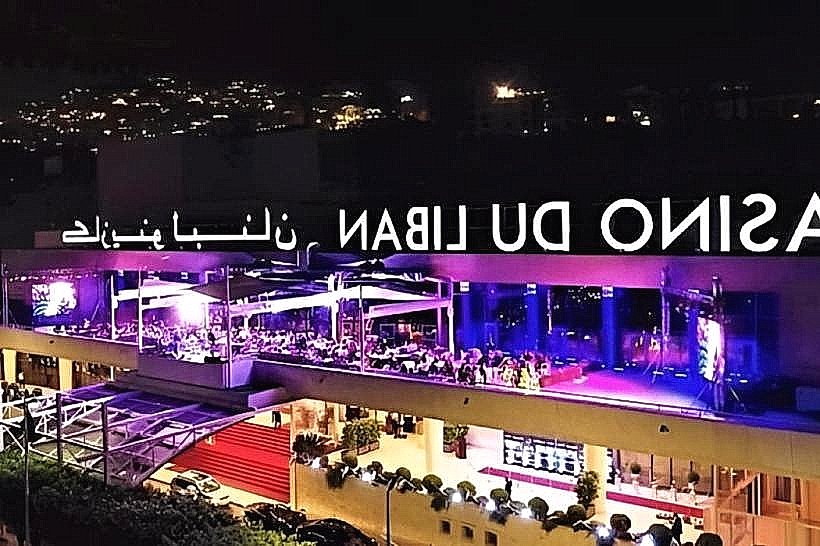
Casino du Liban (6.5km Northwest)
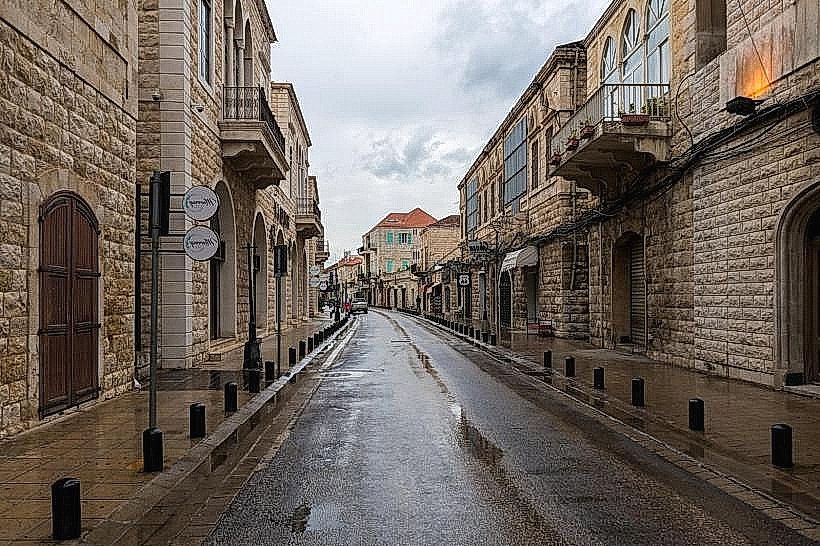
Old Souk of Jounieh (7.0km Northwest)
Byblos (Jbeil) (18.0km North)