City: Lalomanu
Country: Samoa
Continent: Australia
Lalomanu, Samoa, Australia
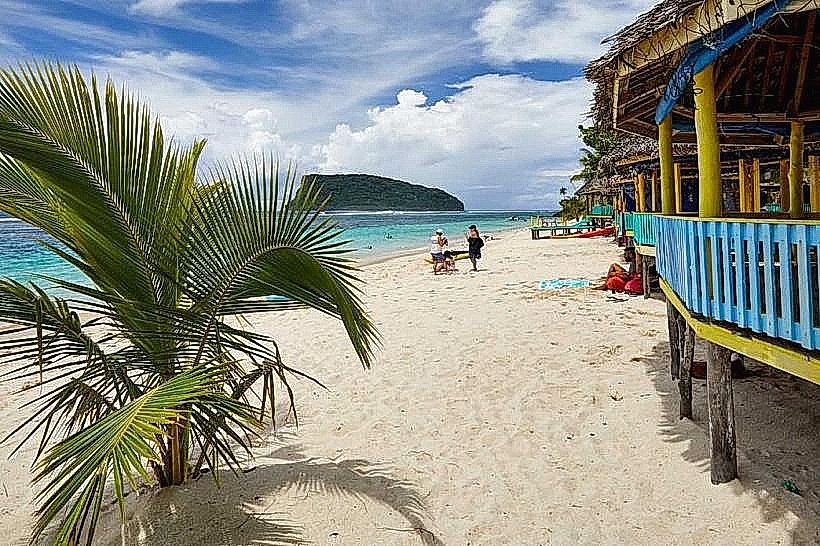
Lalomanu is a significant coastal settlement within the Aleipata District, serving as a primary tourism and fishing hub for eastern Upolu. It is situated on the far southeastern tip of the island, bordered by the Pacific Ocean and the steep volcanic escarpments of the Aleipata range.
Historical Timeline
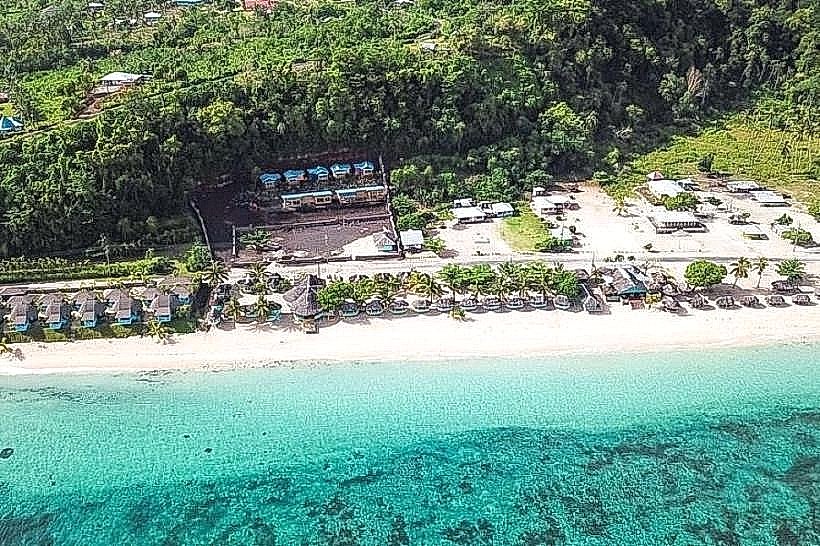
Lalomanu was established as a traditional Samoan village under the authority of local Matai (chiefs). The most significant event in its modern history was the 2009 South Pacific tsunami, which almost entirely destroyed the village infrastructure. The subsequent decade involved a massive reconstruction effort that relocated many permanent residences to higher ground while rebuilding the coastline specifically for eco-tourism. This event transitioned the urban form from a traditional dense coastal cluster to a dual-level settlement.
Demographics & Population
The village population consists of approximately 800 permanent residents. The demographics are 99% ethnic Samoan, primarily belonging to extended family units (Aiga) native to the Aleipata region. The median age is approximately 23 years.
Urban Layout & Key Districts
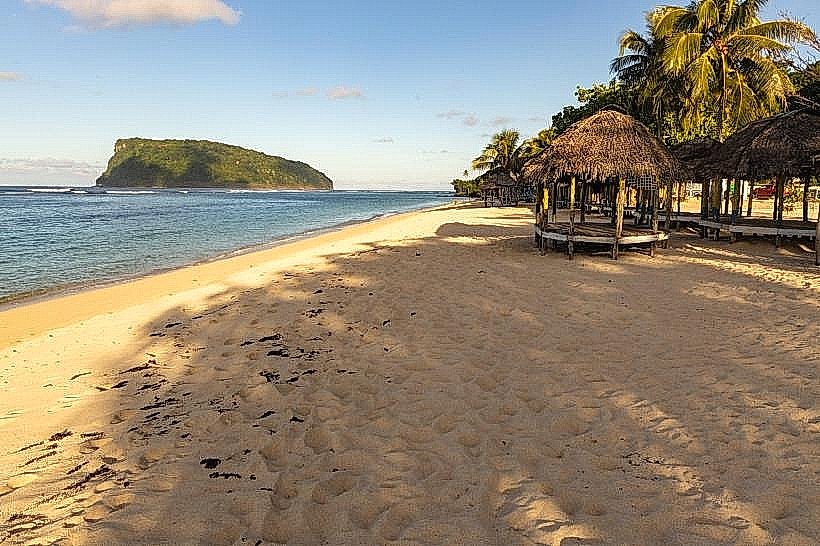
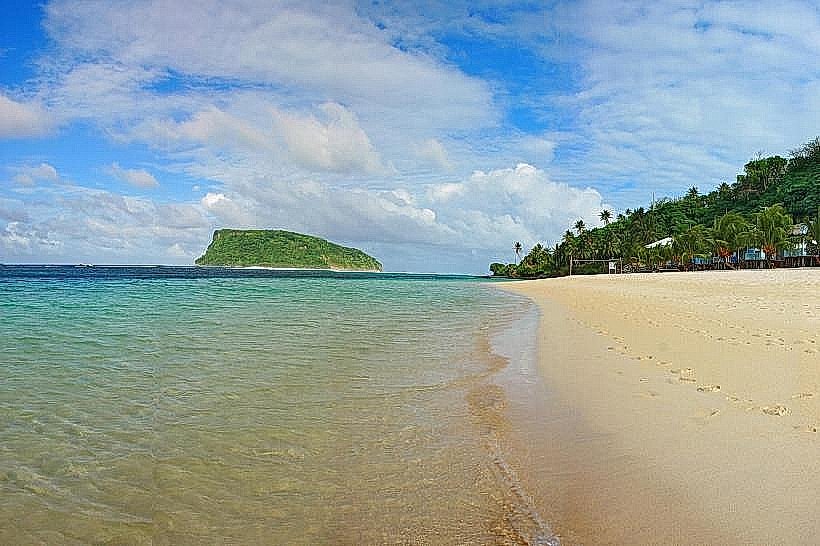
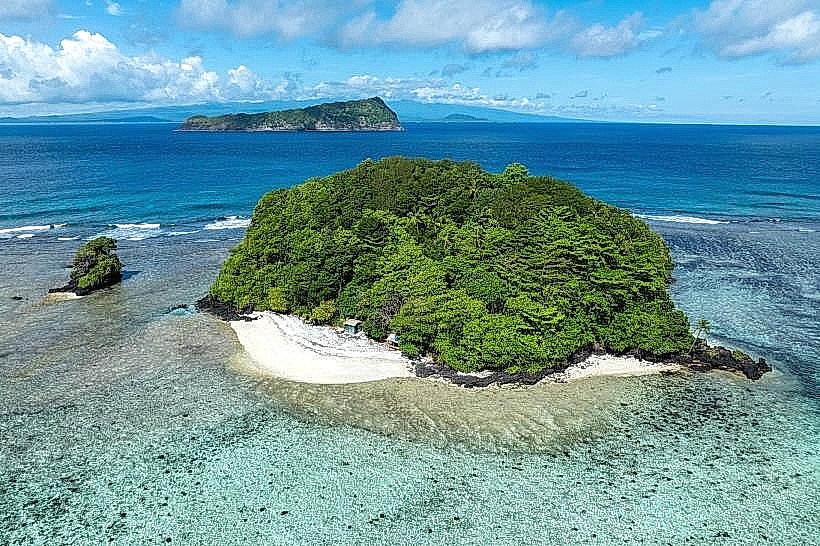
Lalomanu is divided into two distinct zones: the Coastal Strip, which contains the tourism infrastructure and beach fales, and the Inland Settlement (Upper Lalomanu), where the majority of permanent residential dwellings and the village church are located. The village faces the uninhabited Aleipata Islands (Nu'utele and Nu'ulua) to the east.
Top City Landmarks
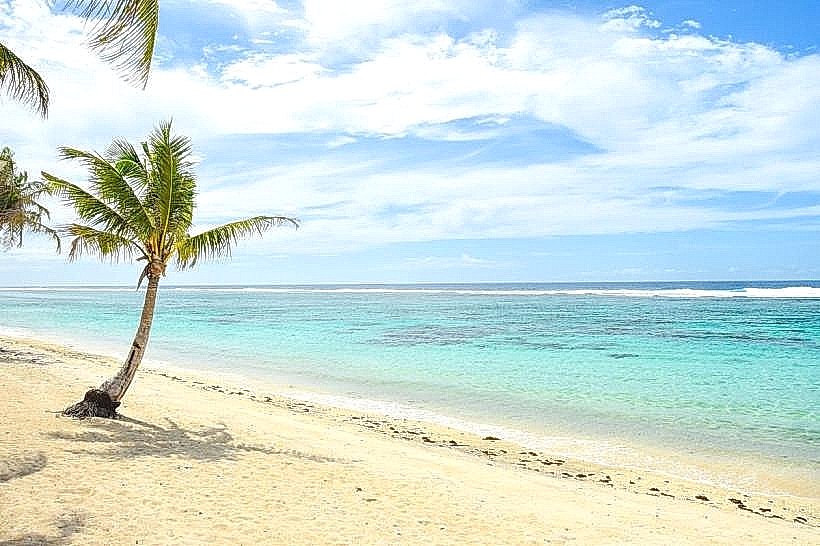
Lalomanu Beach (consistently ranked among the world's top beaches)
The 2009 Tsunami Memorial
Saleapaga Coastal Cliffs
Namu’a Island (accessible by boat from the wharf)
The Catholic Church of Lalomanu
Transportation Network
Internal movement is limited to the Main South Coast Road. There is no public transit other than the colorful "Island Buses" that run several times a day toward Apia. Private taxis can be arranged but do not cruise for fares; official taxis are white. Traffic is minimal, though coastal erosion occasionally impacts road width.
Safety & "Red Zones"
The area is very safe for international travelers. There are no "red zones," but the ocean currents beyond the reef can be extremely dangerous. Cultural safety requires adherence to the evening "Sa" (prayer time), during which all noise and movement must cease for approximately 20 minutes.
Digital & Financial Infrastructure
Internet speeds average 20-30 Mbps via 4G/LTE towers. Digicel and Vodafone provide coverage. Credit card acceptance is limited to larger beach resorts; small vendors and boat operators require cash. There are no ATMs in Lalomanu; cash must be withdrawn in Apia before arrival.
Climate & Air Quality
Temperatures consistently range between 24°C and 31°C. Air quality is categorized as excellent due to the lack of industry and direct exposure to oceanic trade winds. The area is highly vulnerable to tropical cyclones during the southern hemisphere summer (November–April).
Culture & Social Norms
Tipping is not required or expected. Greetings are formal; a "Talofa" with a handshake is standard. Dress code is strictly conservative away from the sand; walking through the village in swimwear is considered an insult to the village council. Alcohol is permitted within the confines of private resorts but restricted in public village spaces.
Accommodation Zones
Beachfront Fales: Recommended for immediate water access and traditional open-air sleeping.
Upper Lalomanu: Recommended for elevated views of the Aleipata Islands and a quieter, residential atmosphere.
Local Cost Index
Espresso: 9.00 WST ($3.30)
Standard Lunch: 35.00 WST ($13.00)
Bus Ticket (to Apia): 8.00 WST ($2.95)
Nearby Day Trips
To-Sua Ocean Trench: 18 km (25-minute drive).
Namu'a Island: 10-minute boat ride from the nearby wharf.
Fuipisia Falls: 25 km (35-minute drive).
Cape Tapaga: 2 km (5-minute drive/20-minute walk).
Facts & Legends
Local legend holds that the Aleipata Islands were once giants who stood in the sea to protect the village from the god of the ocean. A verified historical oddity is that Lalomanu is the first place in Samoa to see the sunrise every morning due to its extreme eastern position, a fact that made it a focal point during the global Millennium celebrations.