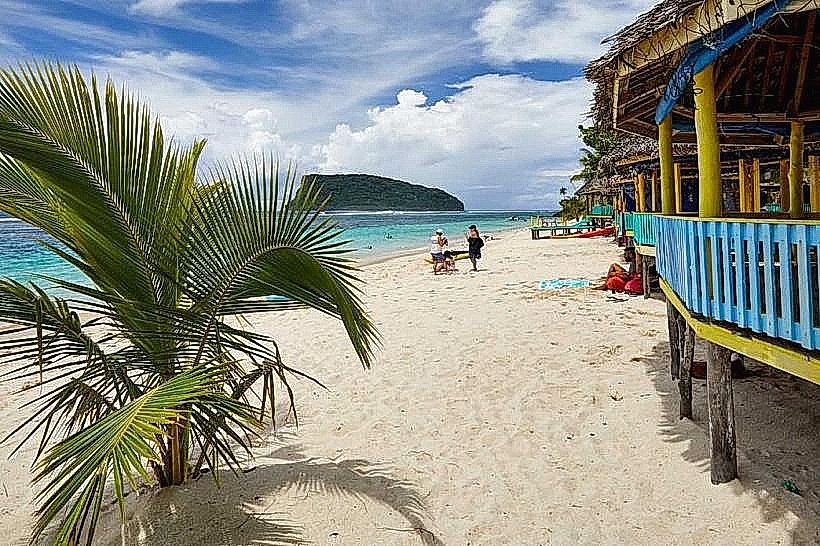
Landmark: Falealili Coastal Walk
City: Lalomanu
Country: Samoa
Continent: Australia
Falealili Coastal Walk, Lalomanu, Samoa, Australia
Falealili Coastal Walk is a scenic pedestrian trail following the rugged volcanic shoreline of the Falealili district on the southern coast of Upolu, Samoa. The path traverses a combination of elevated basalt cliffs and secluded coral coves.
Visual Characteristics
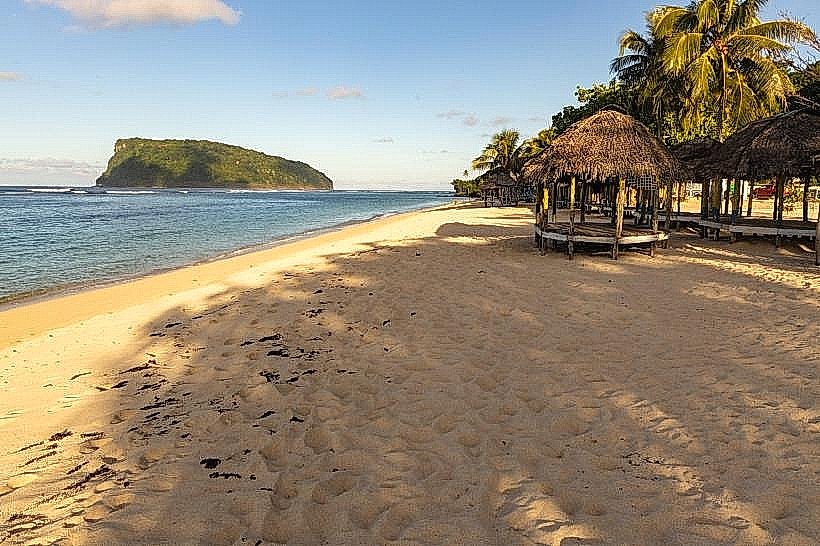
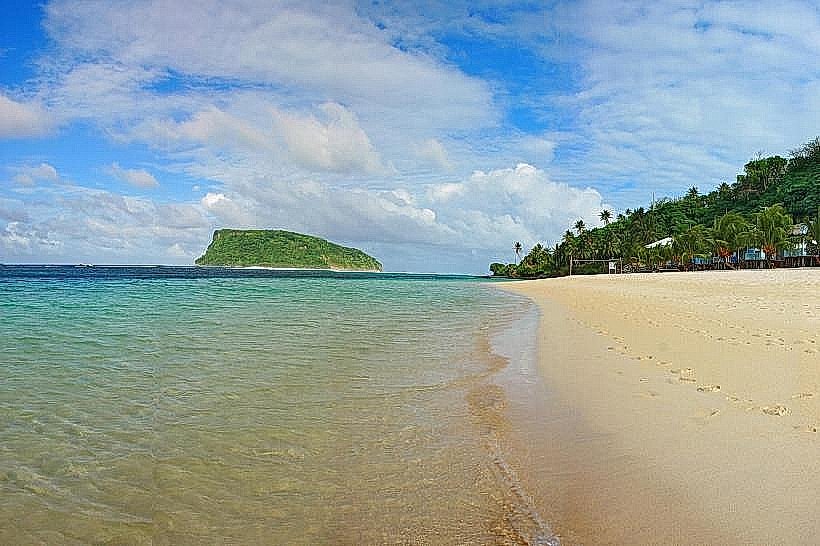
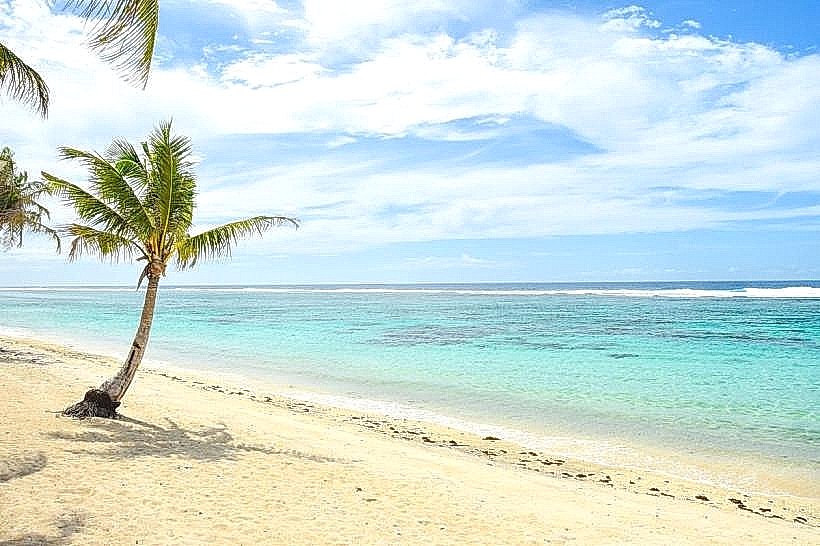
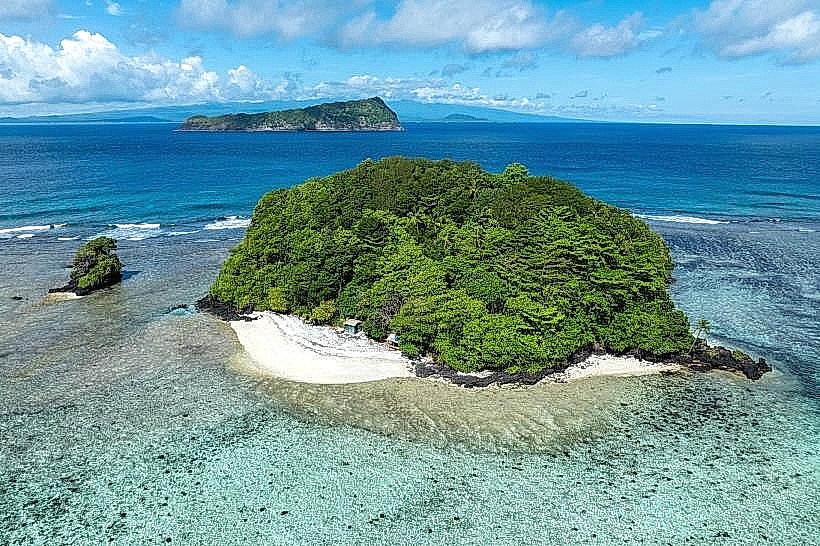
The trail consists of a dirt and crushed-coral path that winds through coastal forest and over jagged black volcanic rock formations. The coastline features dramatic blowholes, steep drop-offs into deep indigo waters, and occasional small strips of white sand. Vegetation is dense along the inland side, consisting primarily of salt-tolerant shrubs, pandanus trees, and coconut palms.
Location & Access Logistics
The walk is located approximately 38km south of Apia via the Cross Island Road. Access points are found in the villages of Poutasi or Salani, where the trail begins near the village outskirts. There is no formal central parking lot, so visitors typically park in grassy public areas within the villages. Public buses labeled "Falealili" provide transport from the Apia Fugalei terminal to the trailheads.
Historical & Ecological Origin
The walk follows ancient footpaths used by Samoan villagers to travel between coastal settlements before the construction of the modern inland road system. Geologically, the path sits atop the Salani volcanic seafloor, characterized by old, weathered basalt flows. The area is part of a community-led conservation effort to protect the littoral forest and marine nesting sites.
Key Highlights & Activities
Hiking and landscape photography are the primary activities, with multiple vantage points offering views of the southern reefs. Shore fishing is common among locals along the basalt ledges. During high surf, the blowholes along the cliff sections become active, ejecting seawater several meters into the air.
Infrastructure & Amenities
Infrastructure is minimal and intended for low-impact transit, consisting of basic wooden signage and occasional stone steps. There are no public restrooms, water stations, or food vendors along the trail itself; these services are only available in the starting villages of Poutasi or Salani. 4G cell phone signal is generally available but can be spotty in low-lying coves.
Best Time to Visit
Early morning (6:00 AM to 9:00 AM) is the best time for the walk to avoid high temperatures and humidity. Low tide is preferable for those wishing to explore the tide pools and small beaches accessible from the trail, while high tide is better for observing the blowholes. The path is accessible year-round, though it can become slippery during the wet season.
Facts & Legends
A local legend associated with this coastline tells of a guardian spirit that took the form of a giant eel to protect the village passages. A practical tip for visitors is to wear sturdy, closed-toe footwear, as the volcanic basalt is extremely sharp and can cause injury if navigated in sandals.
Nearby Landmarks
Poutasi Village – 0.5km North
Sopo'aga Falls – 4.5km Northeast
To-Sua Ocean Trench – 4.8km East
Salani Surf Break – 1.2km South