City: Zgharta
Country: Lebanon
Continent: Asia
Zgharta, Lebanon, Asia
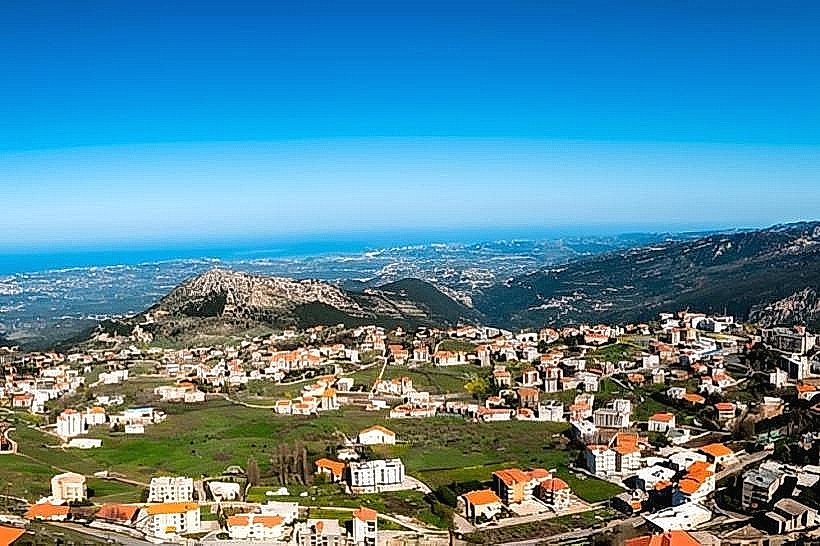
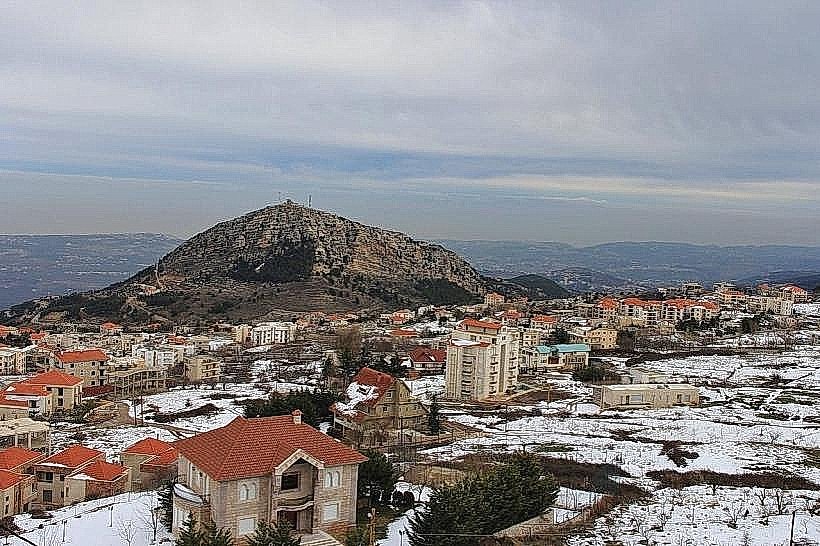
Zgharta serves as a major administrative and socio-economic hub for the Zgharta District in North Lebanon, functioning as the winter seat of the local population. It is strategically positioned on the coastal plain at the foot of the Lebanon Mountains, approximately 7 kilometers southeast of Tripoli.
Historical Timeline
The modern town of Zgharta was established in the early 16th century, primarily by Maronite families from the highland village of Ehden who sought a warmer lowland residence for the winter months. During the Ottoman period, it grew into a prominent feudal stronghold for powerful local families, most notably the Frangieh and Moawad clans. The town’s current urban form was largely shaped by 20th-century political centralization and the rapid expansion of residential apartment blocks following the Lebanese Civil War. The most significant historical event is the "winter/summer" seasonal migration to Ehden, a tradition that has dictated the town's socio-economic rhythms for nearly 500 years.
Demographics & Population
The permanent population of Zgharta is approximately 50,000, although this figure fluctuates due to the seasonal migration to Ehden. The demographic is almost exclusively Maronite Christian. The median age is approximately 31 years, reflecting a stable, family-oriented demographic with a high rate of professional employment in the services and public sectors.
Urban Layout & Key Districts
Zgharta is organized around a compact, high-density core that expands into several residential hills.
Downtown Zgharta: The central commercial hub, featuring the Old Souk, traditional bakeries specializing in Kibbeh, and family-owned storefronts.
Al-Mirza: A quieter, primarily residential district characterized by modern apartment buildings and wide streets.
Jabal Zgharta: An elevated district providing views of the surrounding olive groves and the Tripoli coastline.
Top City Landmarks
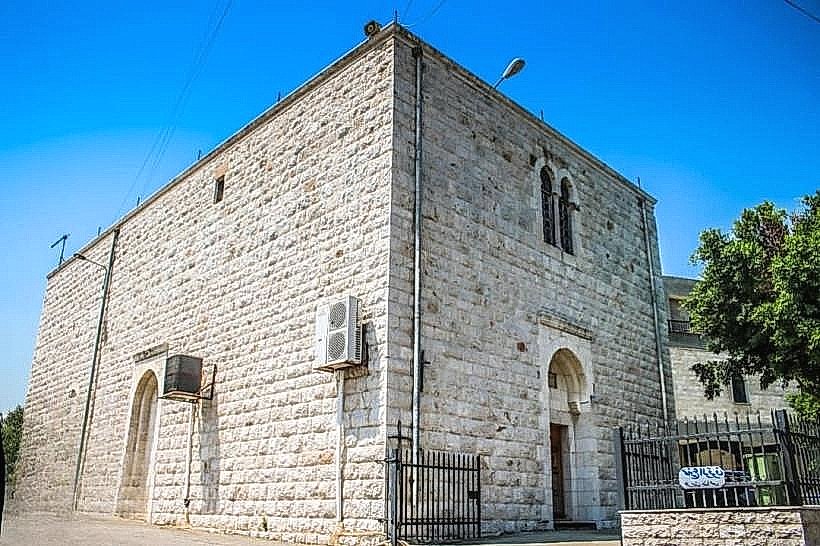
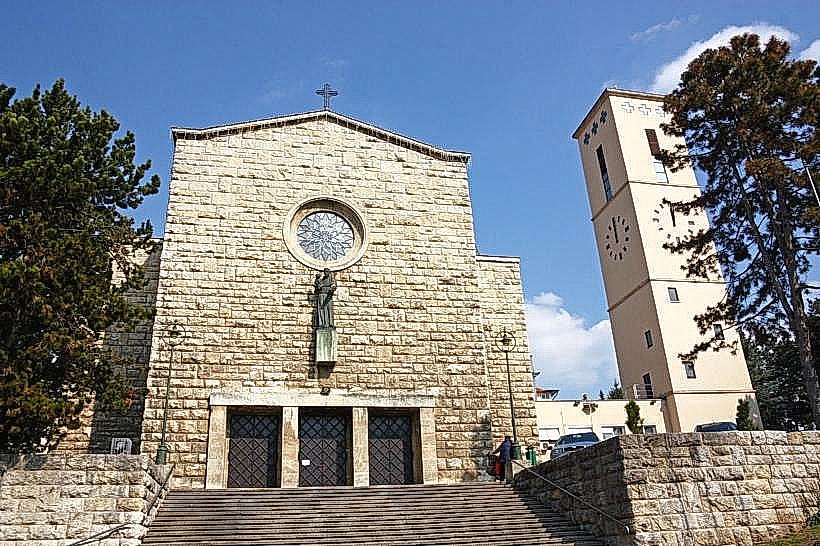
Saint George (Mar Gerges) Cathedral: The principal Maronite cathedral and center of community life.
The Frangieh Residence: A prominent civic landmark and political headquarters for the Frangieh family.
Municipal Square & Clock Tower: The town's central meeting point and the site of seasonal festivals.
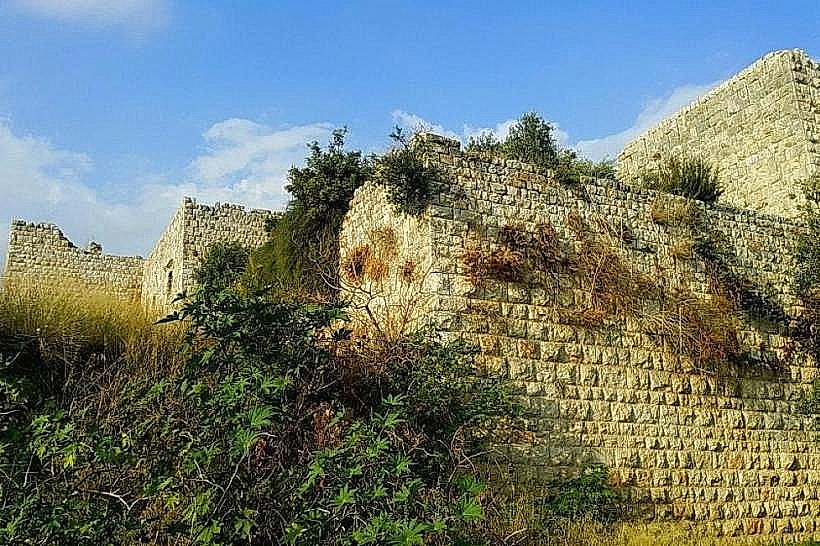
Mar Yuhanna Monastery: A historic religious site located on the town's perimeter.
The Old Souk: A dense network of traditional butcheries and sweet shops famous for Zghortiote culinary specialties.
Transportation Network
Movement within Zgharta is conducted via private cars and "Service" (shared taxis). There is no metro or rail infrastructure. The town is connected to Tripoli by a primary four-lane highway, which experiences significant congestion during morning and afternoon commutes. Official taxis have red license plates. Ride-sharing apps like Bolt have high availability, while Uber is less frequent than in Beirut.
Safety & "Red Zones"
Zgharta is considered a very safe city with low crime rates. There are no designated "Red Zones" or high-risk neighborhoods for visitors. Travelers should exercise standard caution regarding traffic, as the town center is heavily congested with limited pedestrian infrastructure.
Digital & Financial Infrastructure
Internet speeds range from 25 to 55 Mbps, with reliable 4G/LTE coverage from Alfa and Touch. The economy is heavily dollarized; USD and Lebanese Pounds (LBP) are used interchangeably for all transactions. Credit card acceptance is common in large supermarkets and modern pharmacies but rare in the Old Souk. ATMs are concentrated in the Downtown and Al-Mirza districts.
Climate & Air Quality
Zgharta has a Mediterranean climate with a high degree of seasonal variation. Summer (June–September) temperatures range from 22°C to 32°C with high humidity and frequent coastal fog (locally called "Gharbieh"). Winter (December–March) is mild and rainy, with temperatures between 10°C and 17°C. Air quality is generally fair, though particulate levels can rise during humid summer days and peak traffic hours.
Culture & Social Norms
The city is known for its strong family networks and distinct northern dialect.
Tipping: 10% is the standard in restaurants.
Greeting: Handshakes are standard; neighbors often greet one another with "Awaf."
Cuisine: Zgharta is the undisputed capital of Kibbeh (ground meat and bulgur); consuming "Kibbeh Zghortawiyye" is a central cultural activity.
Dress Code: Westernized and casual, with modest attire expected in churches.
Accommodation Zones
Downtown: Recommended for visitors seeking walking access to local shops and traditional food stalls.
Jabal Zgharta: Recommended for those desiring quieter surroundings and panoramic mountain views.
Local Cost Index
1 Espresso: 180,000 LBP ($1.90 USD)
1 Standard Lunch (Kibbeh Plate): 940,000 LBP ($10.00 USD)
1 Shared Taxi (Service) to Tripoli: 95,000 LBP ($1.00 USD)
Nearby Day Trips
Tripoli: Historic Mamluk city and souks (7 km).
Ehden: The town’s mountain counterpart and home to the Ehden Forest Reserve (25 km).
Kadisha Valley: UNESCO-protected holy valley with ancient monasteries (30 km).
Cedars of God: Ancient high-altitude forest in Bcharre (45 km).
Facts & Legends
Local linguistic pride centers on the "Zghortiote Accent," which is so distinct in Lebanon that residents can be identified by the pronunciation of a single word. A verified historical oddity is the seasonal exodus: for centuries, the town virtually emptied every June as the entire population relocated to Ehden to escape the summer heat, leaving Zgharta as a "ghost town" until the return migration in September-a tradition that remains partially active today.