Landmark: Saint Anthony of Padua Church
City: Zgharta
Country: Lebanon
Continent: Asia
Saint Anthony of Padua Church, Zgharta, Lebanon, Asia
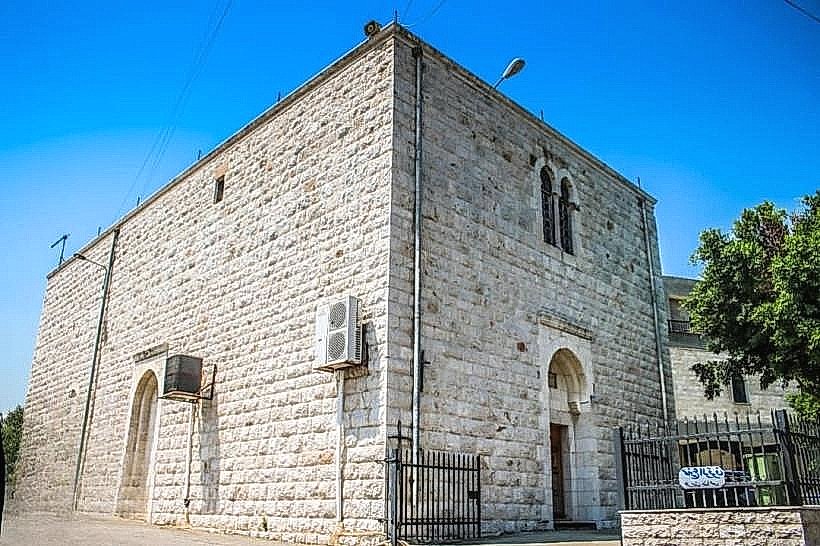
The Saint Anthony of Padua Church (Deir Mar Antonios el-Padouani) is a prominent Maronite Catholic parish church and historic monastic complex situated in the northern city of Zgharta, within the Zgharta District of the North Lebanon Governorate. It serves as a vital spiritual pillar for the local community, especially during the winter months when the population is resident in the coastal plain.
Visual Characteristics
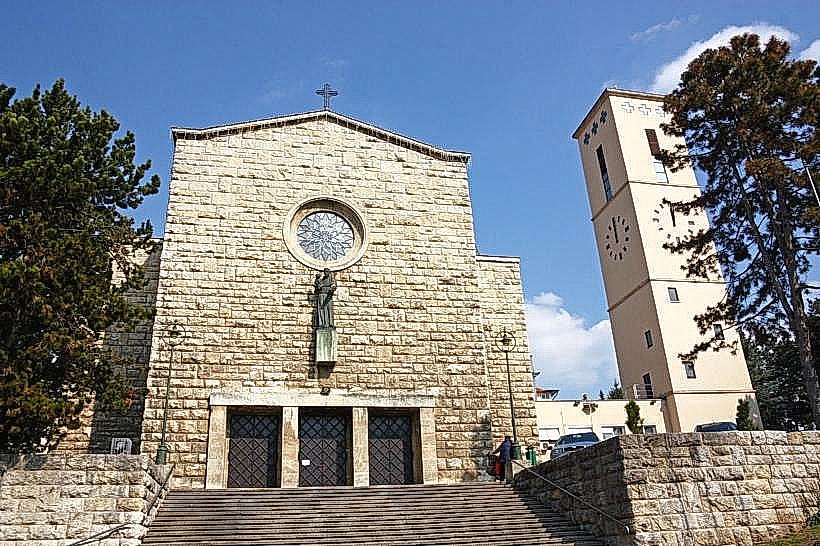
The church complex features a robust, monumental architectural layout built entirely from hand-dressed local ochre and sand-colored limestone blocks. The main facade is characterized by a stark, austere geometry featuring a central round rose window and a triple-portal entrance. A tall, detached square bell tower rises independently to the left of the main structure, detailed with a large public clock face and open-arched belfry windows. Inside, the sanctuary displays massive stone columns, high ribbed cross-vaulted ceilings, stone masonry altars, and traditional wooden pews arranged under soft, warm lighting.
Location & Access Logistics
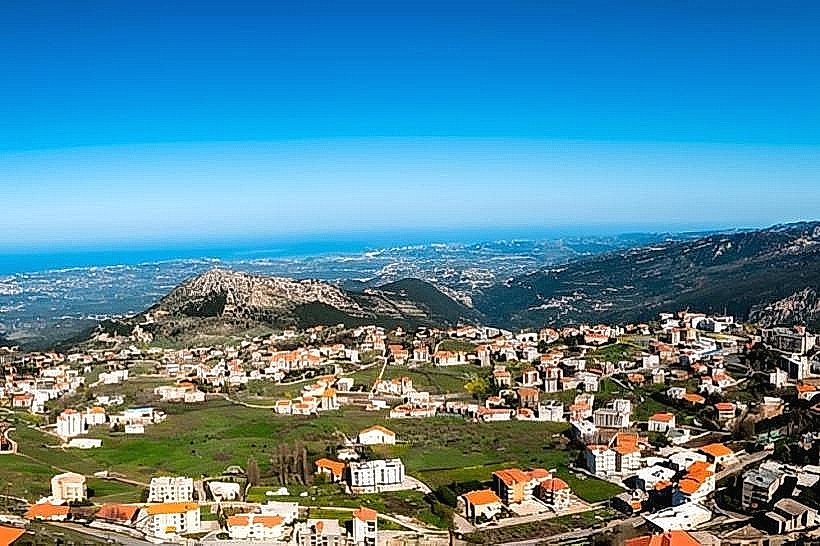
The church is situated on a prominent plot within the residential and historic urban core of Zgharta, approximately 85 kilometers northeast of Beirut and 10 kilometers southeast of Tripoli. Access from the capital is via the primary northern coastal highway to Tripoli, continuing inland onto the regional highway directly into Zgharta. The church is easily reached via local municipal streets, with paved street parking and small public turnouts available in the surrounding neighborhood. Public transportation is highly accessible, using shared local taxis (services) and minivans that run continuously between central Zgharta and the main Tripoli transport hubs.
Historical & Ecological Origin
The foundation of the church and its associated monastic cells dates back to the late 19th and early 20th centuries, established by the Lebanese Maronite Order to support the growing religious and educational needs of the Zgharta plains. Like other major civic institutions in the city, its operational cycle historically adapted to the unique seasonal demographic shift between the low-lying winter plain of Zgharta and the high-altitude summer retreat of Ehden. Geologically, the complex rests on the flat alluvial plateau formed between the local river basins, utilizing heavy limestone blocks quarried directly from the surrounding northern foothills of the Mount Lebanon range.
Key Highlights & Activities
Primary activities focus on liturgical services, community prayer, and the appreciation of traditional northern Lebanese ecclesiastical architecture. Visitors can inspect the meticulous stonemasonry of the vaulted interior and the classical statues of Saint Anthony of Padua. The church serves as a major focal point for local religious events, community outreach, and seasonal parish feasts-most notably the Feast of Saint Anthony on June 13, which draws large numbers of local parishioners before the annual summer migration uphill.
Infrastructure & Amenities
The church is fully integrated into Zgharta's developed municipal infrastructure, featuring an adjacent parish community hall, administrative offices, and clean public restroom facilities accessible during operational and mass hours. Complete shade is provided inside the thick, climate-insulated limestone sanctuary. Cellular network coverage (4G/5G) is exceptionally powerful and stable throughout the property. A comprehensive selection of urban amenities-including banking ATMs, pharmacies, local markets, and traditional Lebanese restaurants-is situated within a 1-kilometer radius.
Best Time to Visit
The optimal hours for exterior architectural photography are during the mid-morning and late afternoon, when the directional sunlight brings out the warm texture of the limestone masonry. The church is open daily for community masses and quiet reflection. While accessible year-round, the parish sees its highest resident community engagement from October through June, prior to the seasonal closing of many urban homes for the summer mountain season.
Facts & Legends
A verified historical detail is that the church and its attached monastic facilities have historically functioned as an educational center for the district, hosting early parochial school classrooms that provided foundational literacy and religious instruction to generations of Zgharta's youth before the expansion of modern secular schools. Local parish lore notes that the heavy bronze bells housed in the detached tower were cast using traditional European methods and calibrated specifically so that their deep chimes could resonate across the surrounding olive groves, historically serving as an acoustic signaling system to gather laborers from the peripheral agricultural fields.
Nearby Landmarks
Saint John the Baptist Church (Zgharta): 0.8km West
Seraile of Zgharta: 0.9km West
Rashein River Promenades: 2.0km East
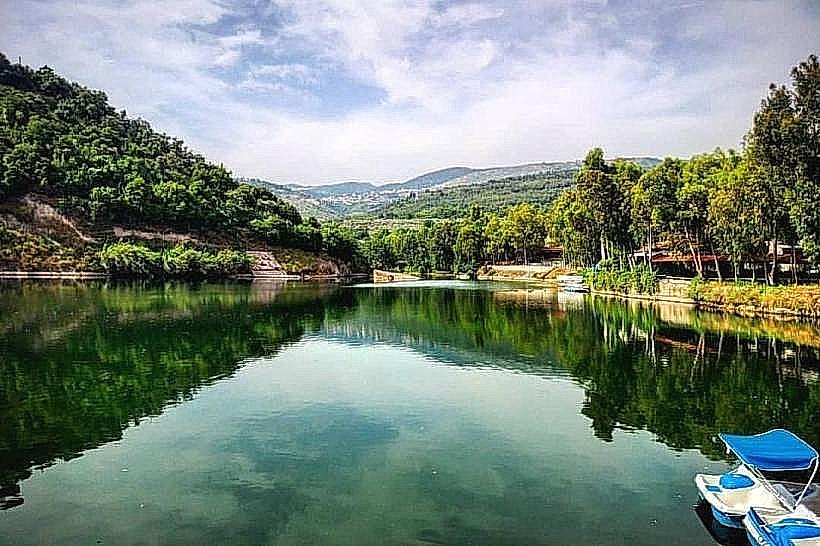
Bnachii Lake: 11.2km South
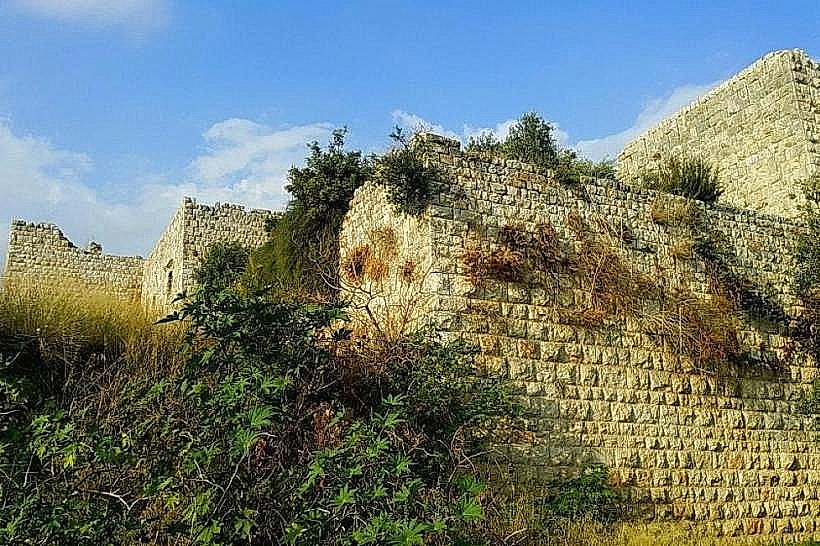
Iaal Fortress: 8.8km Southwest