Landmark: Saint John the Baptist Church
City: Zgharta
Country: Lebanon
Continent: Asia
Saint John the Baptist Church, Zgharta, Lebanon, Asia
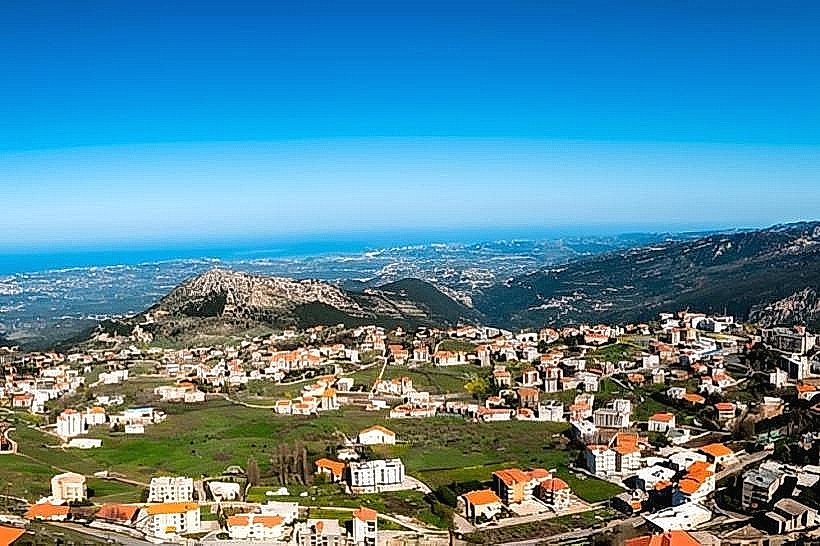
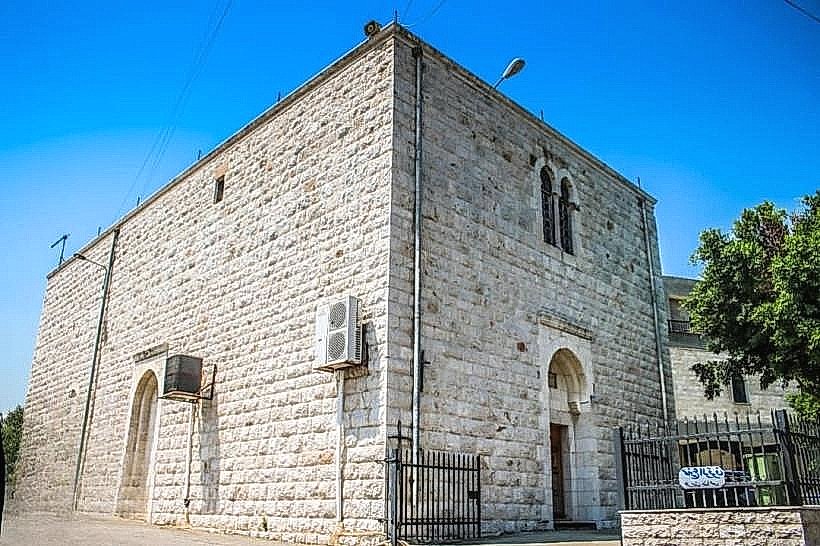
The Saint John the Baptist Church (Mar Yuhanna al-Ma'madan) is a historic, prominent Maronite Catholic parish church located in the center of the northern city of Zgharta, within the Zgharta District of the North Lebanon Governorate. Constructed in the mid-19th century, it stands as a cornerstone of religious life and communal identity for the population of Zgharta, serving as the primary urban sanctuary before the town's seasonal demographic migration to Ehden.
Visual Characteristics
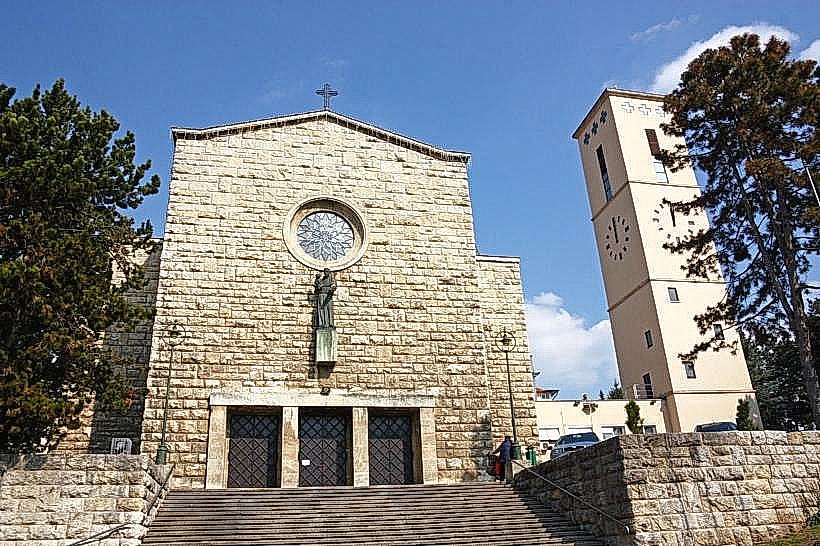
The church is a monumental structural landmark built from heavy, hand-carved blocks of local ochre and golden-beige limestone. The architectural design combines traditional Levantine stonecraft with neo-classical features. The main facade is characterized by a central, deep stone portal topped by a semicircular arch and a large decorative rose window that allows natural light to filter into the nave. The roof is crowned by an elegant open-arched stone bell tower containing historic bronze bells. Inside, the sanctuary features an expansive central nave divided by massive stone columns supporting high cross-vaulted ceilings, stone altars adorned with historic Italian and Lebanese Maronite iconography, and traditional wooden pews.
Location & Access Logistics
The church occupies a central position within the historic urban core of Zgharta, approximately 85 kilometers northeast of Beirut and 10 kilometers southeast of the coastal city of Tripoli. Access from Beirut is via the main northern coastal highway to Tripoli, turning inland onto the regional highway heading toward Zgharta. The church is situated directly on a major municipal square, with street parking and small paved public lots available nearby. Public transport options include regular intercity buses from Beirut to Tripoli, from which local shared taxis (services) run continuously to central Zgharta, dropping passengers within immediate walking distance of the church square.
Historical & Ecological Origin
The church was founded and constructed between 1850 and 1855 CE to meet the spiritual needs of Zgharta’s rapidly expanding winter population. Historically, the inhabitants of Zgharta operated on a strict semi-nomadic seasonal cycle-living in the low-lying plain of Zgharta during the winter agricultural months and migrating to the high-mountain town of Ehden for the summer. Geologically, the church is built on a stable alluvial plateau situated between the Jouit and Rashein rivers, using hard limestone quarried from the neighboring foothills of the Mount Lebanon range. The structure was systematically maintained and repaired following structural strains incurred during various regional conflicts in the late 20th century.
Key Highlights & Activities
Primary activities center on liturgical participation, seasonal religious celebrations, and architectural photography. Visitors can inspect the master stonemasonry of the vaulted interior and view the collection of historic oil paintings depicting biblical scenes and Maronite saints. The church square is the absolute focal point for major communal events, most notably the Feast of Saint John the Baptist on June 24 and the extensive public processions during Holy Week, which attract thousands of pilgrims from across the region.
Infrastructure & Amenities
The church is fully integrated into Zgharta’s urban infrastructure, featuring a modern parish hall, administrative offices, paved pedestrian paths, and public restroom facilities open during service hours. Shade is complete inside the thick-walled limestone sanctuary, while the exterior square features mature trees providing intermittent cover. Cellular network coverage (4G/5G) is exceptionally strong and stable across the entire downtown sector. Full urban commercial amenities-including banks, pharmacies, supermarkets, and a vast selection of traditional Lebanese restaurants and sweet shops-are located within immediate walking distance of the church.
Best Time to Visit
The optimal hours for exterior photography are during the late afternoon and golden hour, when the setting sun illuminates the golden limestone facade and the bell tower against the clear sky. The church is open daily for visitors and silent prayer, typically from 07:00 to 19:00. While accessible year-round, the liveliest time to experience the parish is during the spring and early summer months before the town's annual summer migration to Ehden begins in early July.
Facts & Legends
A verified historical detail is that the church houses a series of detailed, hand-written parish registries dating back to the mid-19th century, providing an unbroken demographic record of birth, marriage, and lineage data for the prominent families of Zgharta. Local historical lore notes that during the construction phase in the 1850s, the entire community participated in building the church; local families voluntarily formed human chains stretching from the nearby river quarries up to the construction site, passing individual hand-carved building blocks down the line to expedite the completion of the sacred structure.
Nearby Landmarks
Seraile of Zgharta: 0.4km West
Rashein River Promenades: 2.5km East
Saydet el-Hosn Church (Ehden Summer Link): 24.5km Southeast
Monastery of Qozhaya: 21.0km Southeast
Tripoli Citadel: 9.5km Northwest