Landmark: Ain Al Thawarah
City: Rustaq
Country: Oman
Continent: Asia
Ain Al Thawarah, Rustaq, Oman, Asia
Ain Al Thawarah is a natural geothermal spring located at the edge of the Nakhal Oasis in the Al Batinah South Governorate. It is situated approximately 100km west of Muscat, at the terminus of the road leading through the Nakhal date palm groves.
Visual Characteristics
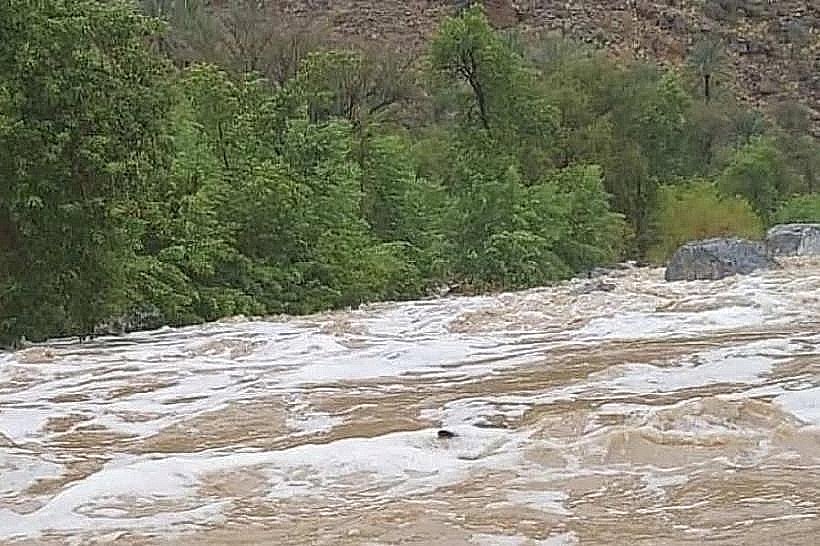
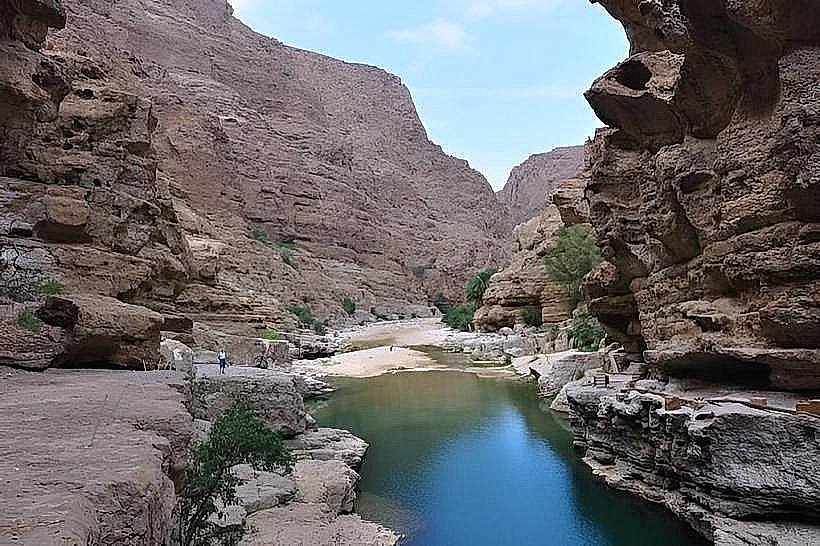
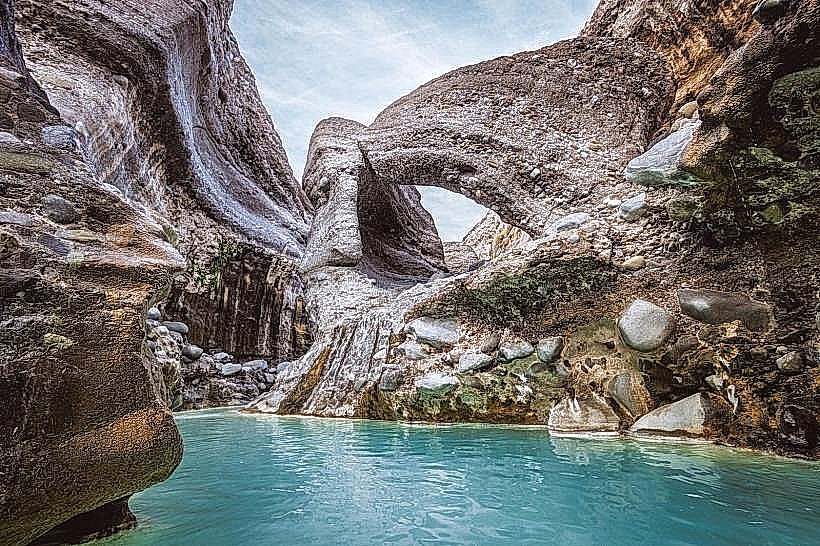
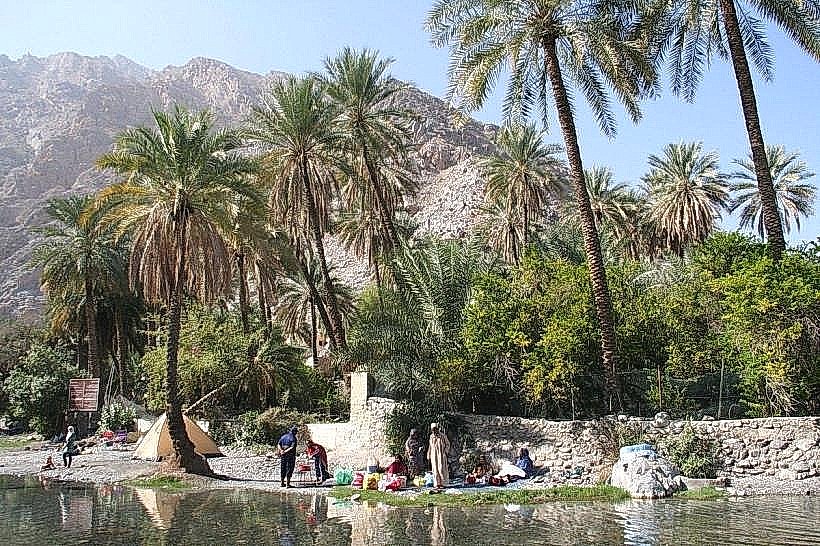
The site features clear, shallow pools and narrow stone-lined channels where warm water emerges from the base of the Al Hajar Mountains. The surrounding area is defined by dense green palm canopies, grey limestone cliffs, and small artisanal dams. The water often has a slight turquoise tint in deeper sections, with small fish visible in the stream beds.
Location & Access Logistics
Access is via the Route 13 highway to Nakhal, following signs for the Nakhal Fort and continuing for approximately 3km through the village. The spring is reachable by all vehicle types via a paved dead-end road. A small, unshaded parking area is located at the site, though it becomes highly congested during weekends. There is no direct public transport; visitors typically use taxis from the Nakhal town center.
Historical & Ecological Origin
The spring is a hydrothermal feature where groundwater is heated by deep geothermal activity before being forced to the surface through mountain fissures. It has been the primary water source for the Nakhal Oasis for centuries, feeding a complex falaj system that supports thousands of date palms. The water maintains a constant warm temperature year-round.
Key Highlights & Activities
Visitors can soak their feet in the warm runoff channels, which are home to small fish that provide a natural skin exfoliation. Several rugged footpaths lead from the spring into the adjacent Wadi Hammam, offering views of the mountain gorges. The shaded banks of the stream are a primary location for picnicking, particularly near the concrete embankments.
Infrastructure & Amenities
Basic facilities include small public restroom blocks and several permanent stone benches near the main pool. Mobile kiosks and small local shops often operate near the entrance, selling bottled water, tea, and snacks. 5G cellular coverage is generally reliable despite the mountainous backdrop.
Best Time to Visit
The winter months from November to March are the most comfortable for outdoor activity. Weekdays are significantly quieter than Fridays and Saturdays, when the site reaches maximum capacity. Early morning visits (07:00–09:00) provide the best light for photography and the lowest crowds.
Facts & Legends
Local accounts suggest the water possesses therapeutic properties for skin ailments and joint pain due to its mineral content. A verified logistical tip: while the spring is technically accessible 24 hours a day, there is no artificial lighting along the mountain paths, making daylight visits essential for safety.
Nearby Landmarks
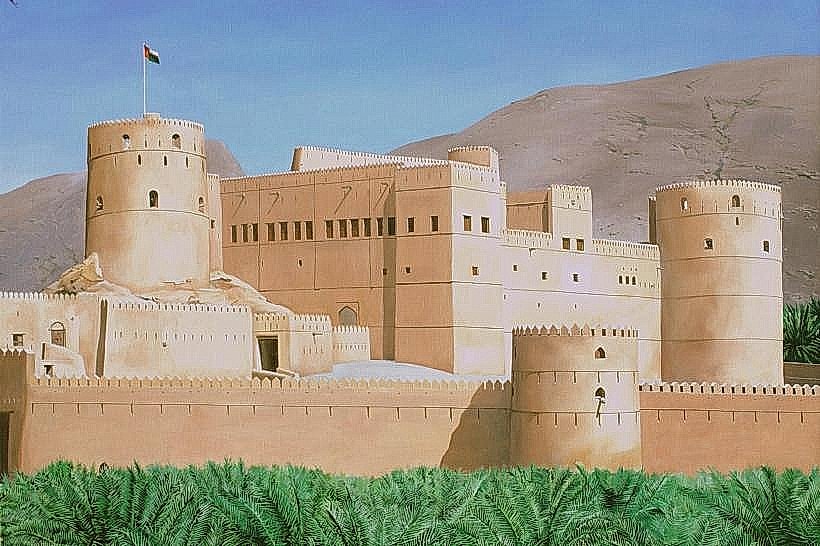
Nakhal Fort (3.0km North)
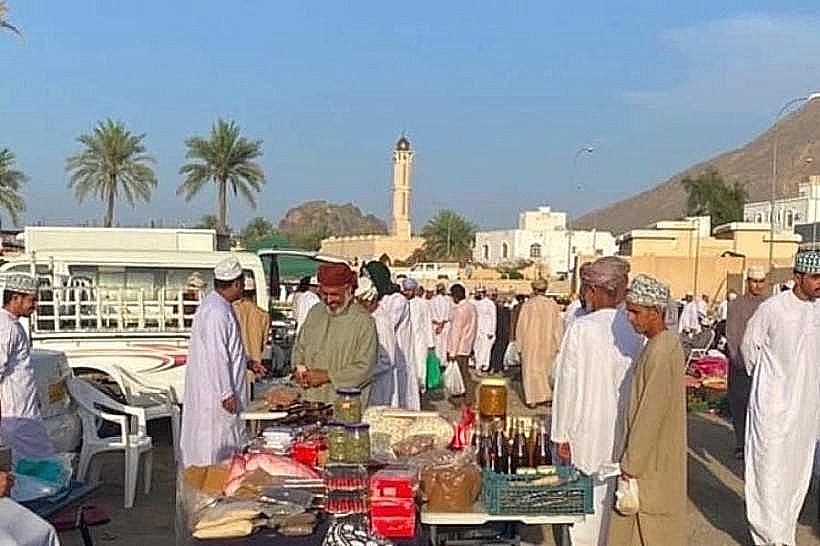
Nakhal Old Souq (2.8km North)
Wadi Al Abyad (30km West)
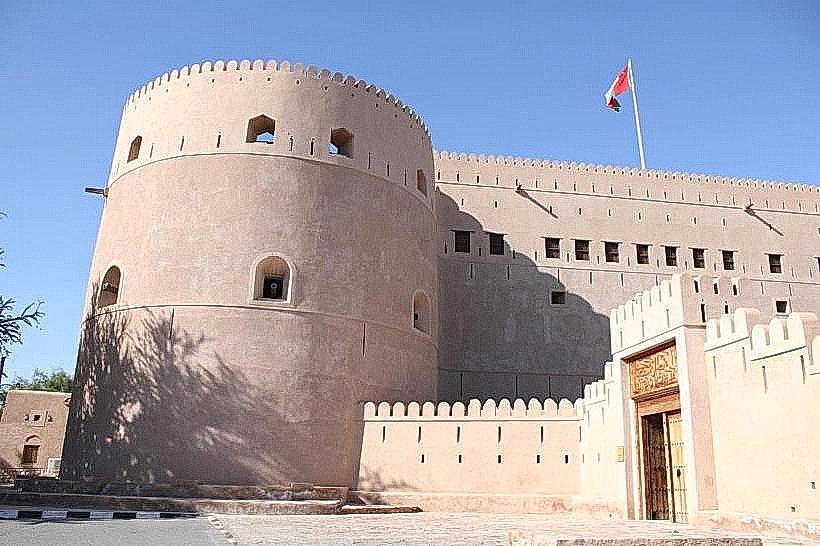
Rustaq Fort (55km West)