Landmark: Al Hazm Castle
City: Rustaq
Country: Oman
Continent: Asia
Al Hazm Castle, Rustaq, Oman, Asia
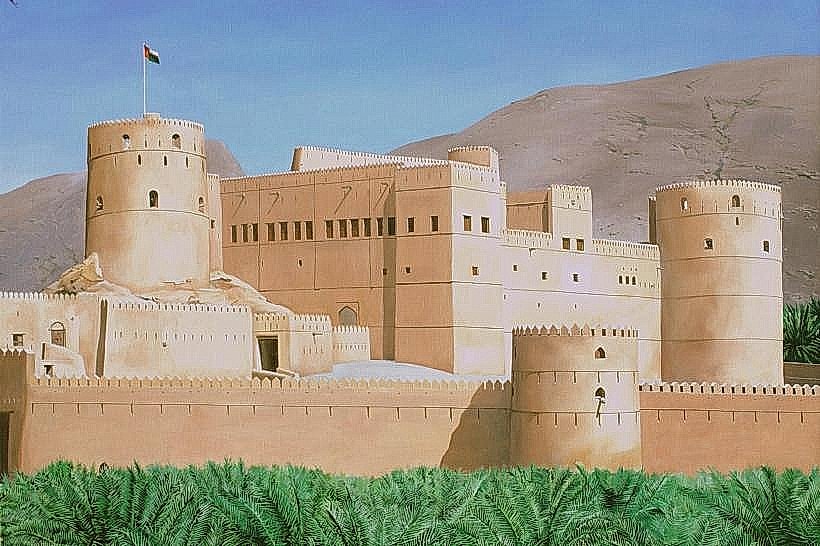
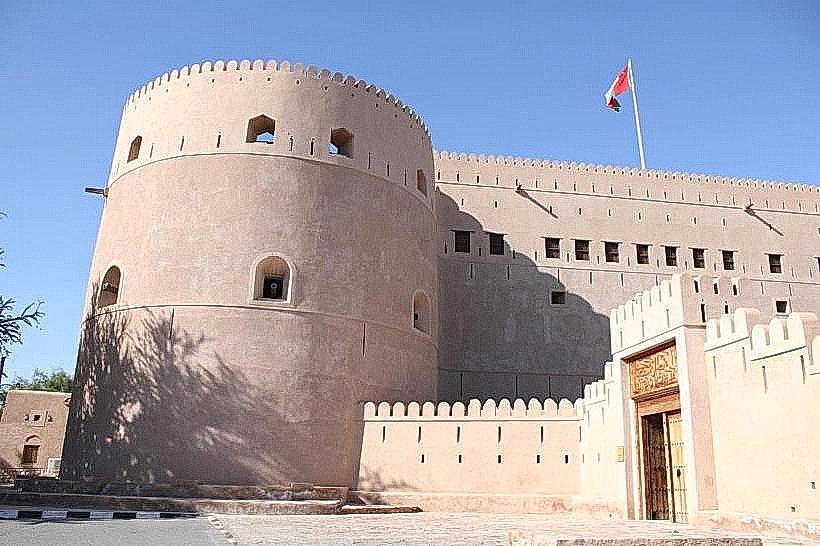
Al Hazm Castle is a monumental defensive palace located in the Al Batinah South Governorate, approximately 20km south of Rustaq Fort. Completed in 1711 by Imam Sultan bin Saif II, it represents the pinnacle of Yarubi military architecture, designed to function as both a heavily fortified stronghold and a lavish residential court.
Visual Characteristics
The structure is a massive rectangular edifice constructed from stone and sarooj, distinguished by its lack of conventional ceiling beams; instead, it utilizes a sophisticated system of stone arches to support the upper floors. Two massive circular towers, equipped with heavy artillery ports, anchor the opposite corners of the fortress. The exterior is noted for its intricate wooden entrance doors, which feature elaborate carvings and verses from the Quran.
Location & Access Logistics
The castle is situated on the flat gravel plains of the Al Hazm village, easily accessible via Route 11. It is reachable by all vehicle types with a large paved parking area provided at the entrance. While intercity buses travel between Muscat and Rustaq, a private vehicle or taxi is required to reach this specific site from the main highway.
Historical & Ecological Origin
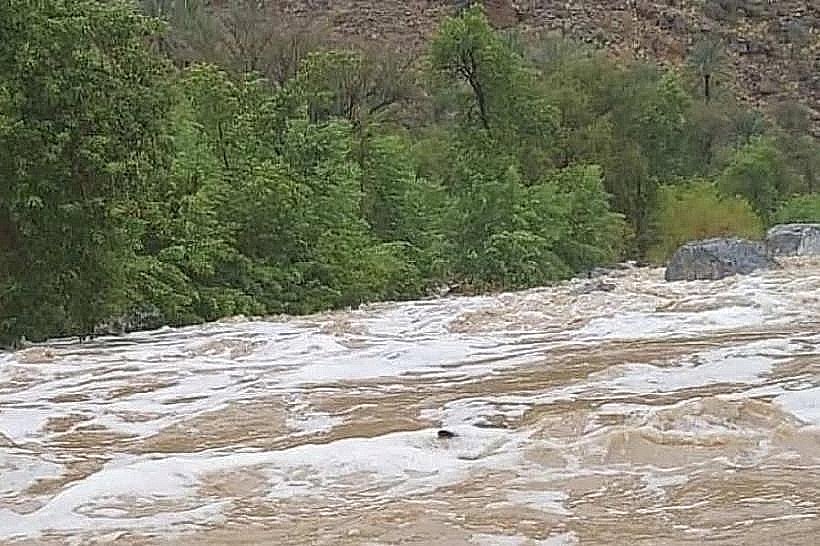
Built during a period of Omani maritime and terrestrial expansion, the castle served as the capital for Imam Sultan bin Saif II, who is buried within the complex. It is strategically positioned to oversee the fertile date plantations of the Batinah interior. A permanent branch of the Falaj Al Hazm flows directly through the castle's basement, providing a secure water source and natural evaporative cooling for the lower chambers.
Key Highlights & Activities
Architectural Engineering: Visitors can observe the unique "roofless" construction where massive stone blocks are held in place by precision-engineered arches rather than timber.
Defensive Features: The site contains a deep prison, hidden escape tunnels, and "date honey" traps-grooves in the floor designed to funnel boiling date syrup onto attackers.
Imam’s Tomb: The ornate burial chamber of the castle's founder is located in the western wing, featuring fine plasterwork and inscriptions.
Armory Museum: The upper levels display a collection of antique Portuguese and British cannons used to defend the Batinah plains.
Infrastructure & Amenities
The facility has undergone extensive restoration and includes a modern visitor center with electronic ticketing. Audio guides are available in multiple languages to explain the complex history and engineering of the site. The grounds feature public restrooms, a small prayer room, and reliable 5G cellular coverage.
Best Time to Visit
The winter months (October to March) are ideal for exploring the unconditioned upper ramparts and towers. Morning visits between 09:00 and 11:30 are recommended to capture the best light on the carved wooden doors and to avoid the peak afternoon heat. The castle typically maintains standard government operating hours but is closed on Friday mornings for prayer.
Facts & Legends
Local history suggests that the massive wooden gates were imported from India and are so heavy that they required a team of oxen to install. A verified engineering fact is that the castle was designed to be "cannon-proof," with walls exceeding three meters in thickness at the base to withstand the emerging artillery technology of the 18th century.
Nearby Landmarks
Rustaq Fort (20km South)
Ain Al Kasfa Hot Springs (22km South)
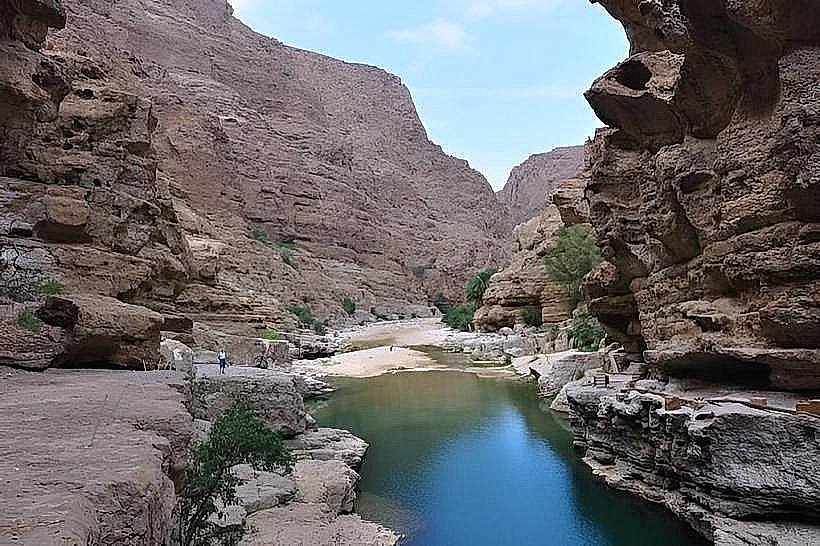
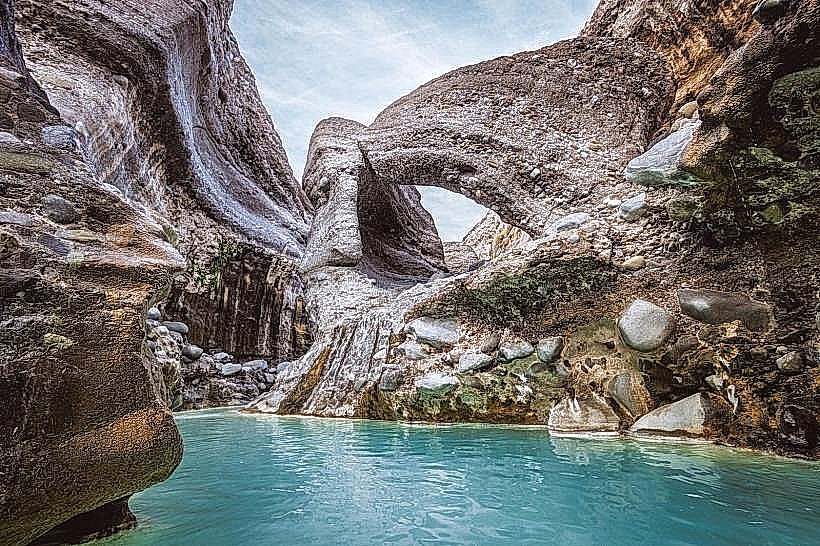
Wadi Al Hoqain (18km Northwest)
Musannah Beach (45km Northeast)