Landmark: Wadi Hoqain
City: Rustaq
Country: Oman
Continent: Asia
Wadi Hoqain, Rustaq, Oman, Asia
Wadi Al Hoqain is a prominent valley and seasonal riverbed located in the Wilayat of Rustaq, Al Batinah South Governorate. It is situated approximately 150km west of Muscat and is characterized by its year-round flowing water and distinctive limestone cascades.
Visual Characteristics
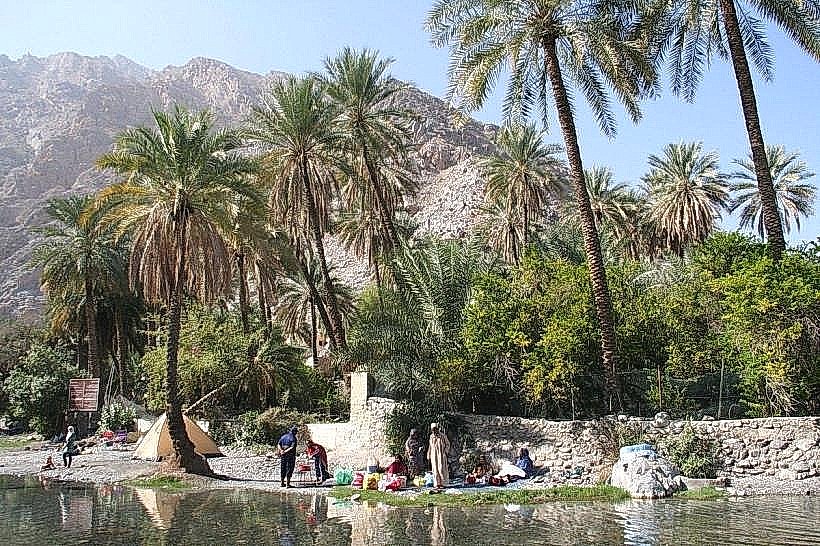
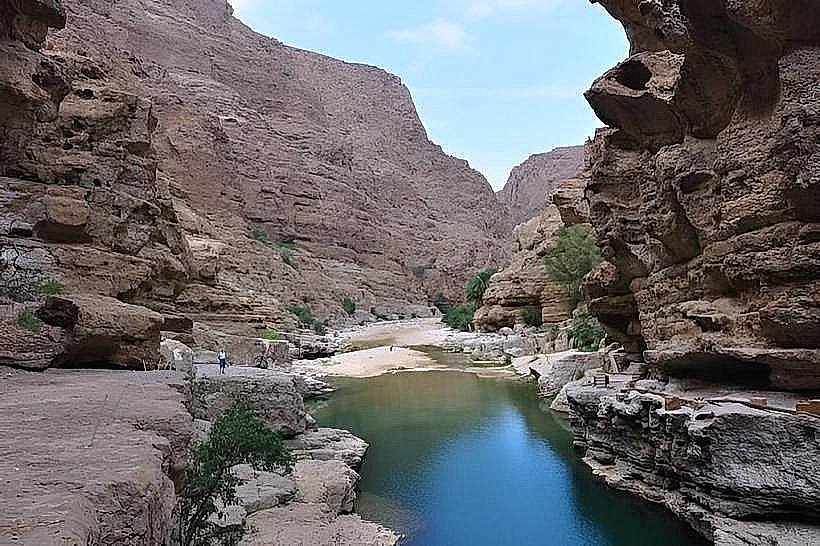
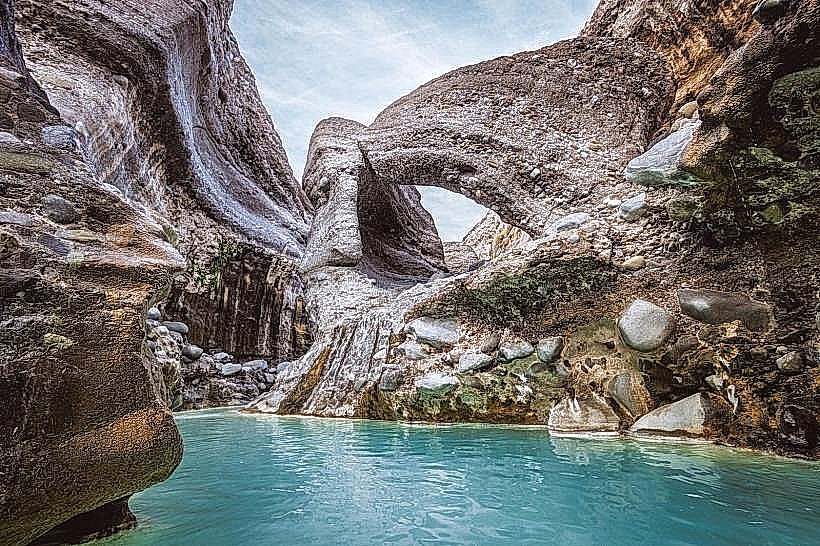
The wadi features a deep canyon floor with smoothed white limestone boulders and turquoise freshwater pools. Its primary landmark is a wide, low-set waterfall that flows over tiered rock formations. Dense groves of date palms and indigenous sidr trees line the banks, contrasting with the stark, jagged mountain ridges of the Western Hajar range.
Location & Access Logistics
Access is via Route 11 (the Al Musannah-Rustaq road), following signs specifically for Al Hoqain. The wadi is reachable by all vehicle types via a paved road that leads directly to the primary pools and waterfall area. Large gravel parking areas are available near the main pedestrian entrance. While intercity buses serve the Rustaq region, a private vehicle or taxi is required to reach the wadi from the main highway.
Historical & Ecological Origin
The wadi is part of a complex hydrological system where groundwater from the Hajar Mountains is forced to the surface through geological faults. Unlike many Omani wadis that remain dry for most of the year, Wadi Al Hoqain maintains a perennial flow due to its high-volume natural springs. The area has been inhabited for centuries, with the water supporting the "falaj" irrigation systems of the Al Hoqain village.
Key Highlights & Activities
The main waterfall area is a primary site for swimming and photography, featuring naturally carved stone basins. A paved walkway and stone stairs facilitate access to the upper and lower sections of the stream. The shaded palm groves provide numerous locations for picnicking. For experienced hikers, several unmarked trails follow the wadi bed deeper into the mountain gorges.
Infrastructure & Amenities
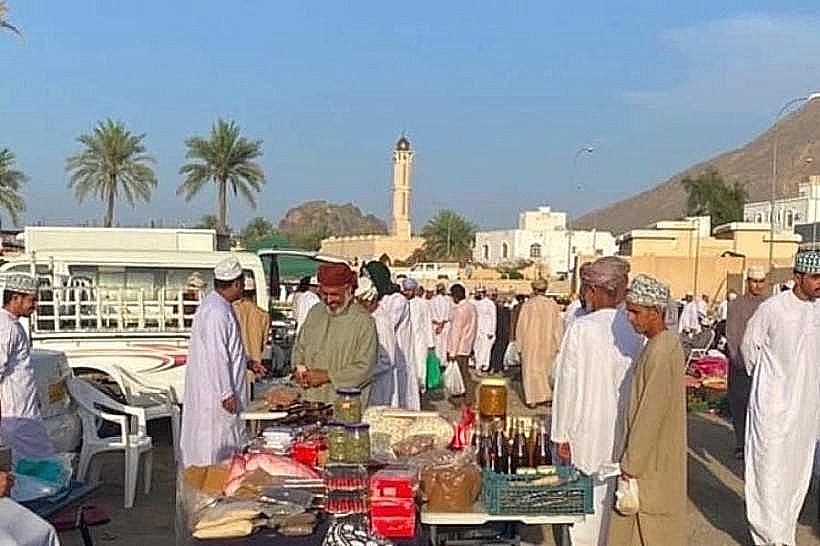
The site has been developed for local tourism and includes public restrooms, shaded stone benches, and a small children's play area near the parking lot. Information signage is provided in Arabic and English. Small kiosks often operate near the entrance during weekends, selling snacks and refreshments. 5G cellular signal is reliable throughout the main visitor zone.
Best Time to Visit
The winter months from November to March offer the most temperate conditions for outdoor activities. To avoid large crowds, weekday visits are recommended, as the site is a popular destination for local families on Fridays and Saturdays. Early morning (07:00–10:00) provides the clearest water and optimal lighting for the waterfall.
Facts & Legends
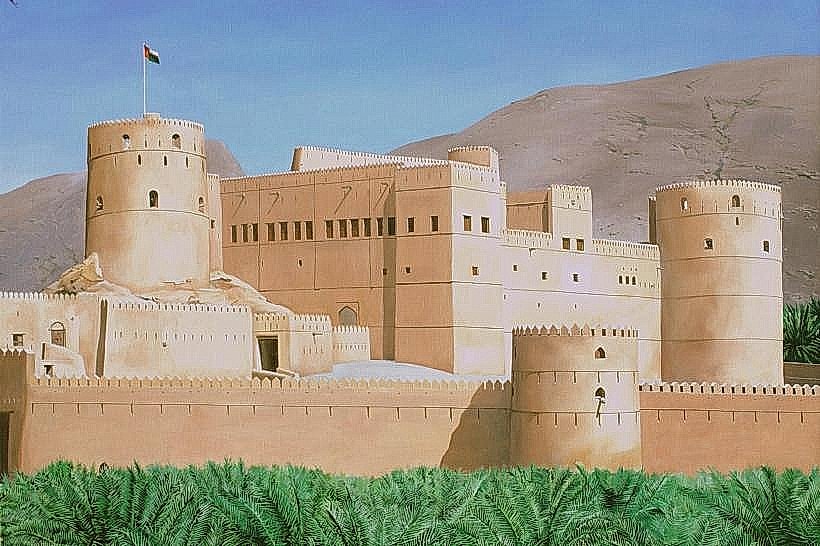
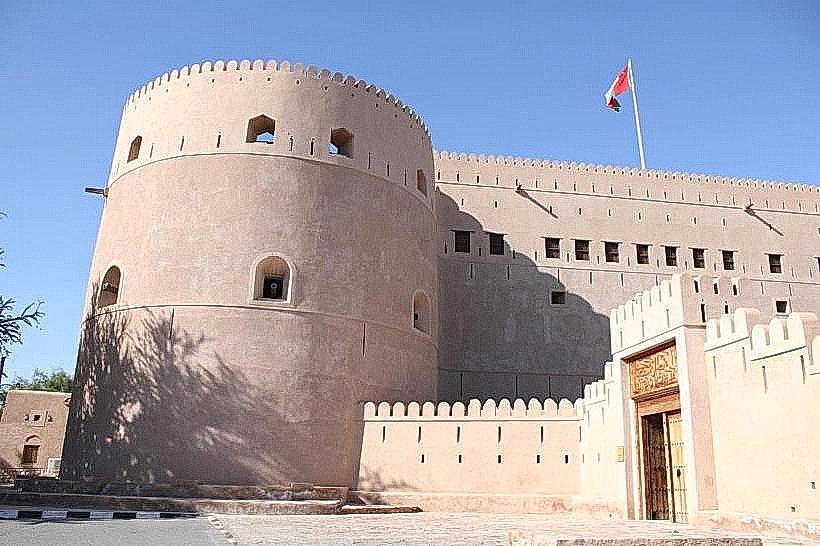
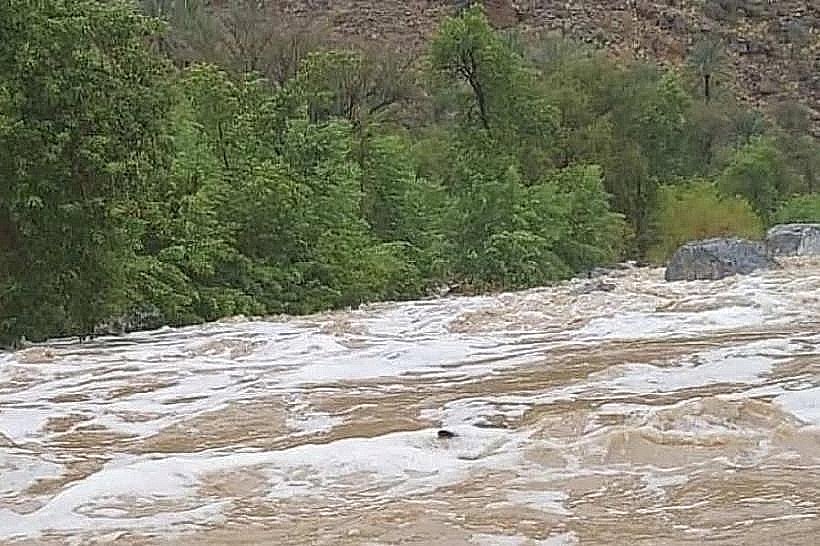
Local history emphasizes the strategic importance of the Al Hoqain Fort, which overlooks the wadi and once guarded the trade route between the coast and the interior. A verified safety tip: despite the perennial flow, the wadi is extremely susceptible to rapid flash flooding during rain events in the mountains; visitors must evacuate the bed immediately if clouds gather over the peaks.
Nearby Landmarks
Rustaq Fort (35km Southeast)
Al Hazm Castle (18km East)
Wadi Bani Ghafir (25km South)
Ain Al Kasfa Hot Springs (37km Southeast)