Landmark: Bahuaja-Sonene National Park
City: Madre de Dios
Country: Peru
Continent: South America
Bahuaja-Sonene National Park, Madre de Dios, Peru, South America
Bahuaja-Sonene National Park is a protected area located in the Madre de Dios region of southeastern Peru.
This park encompasses a significant portion of the Tambopata-Bahuaja-Sonene ecosystem, a biodiversity hotspot.
Visual Characteristics
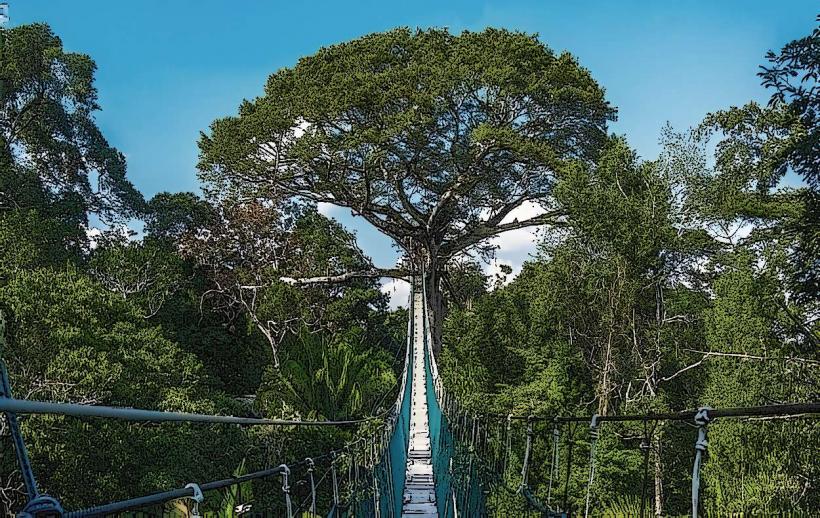
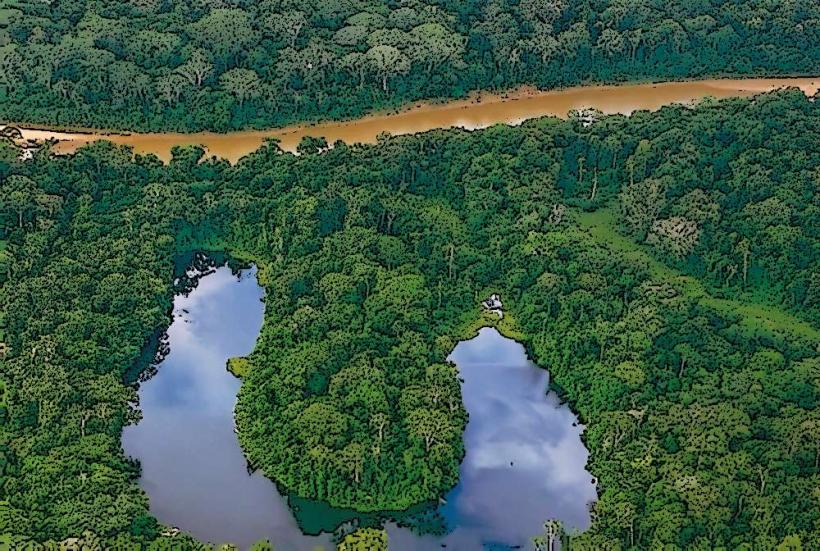
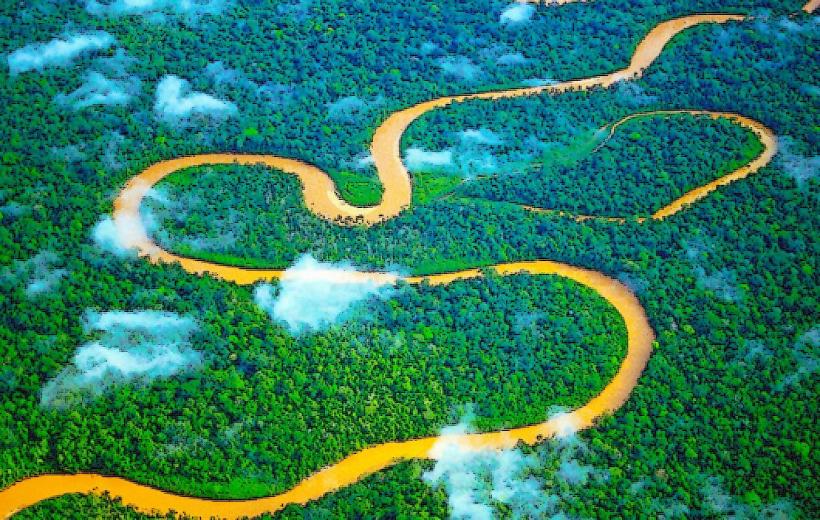
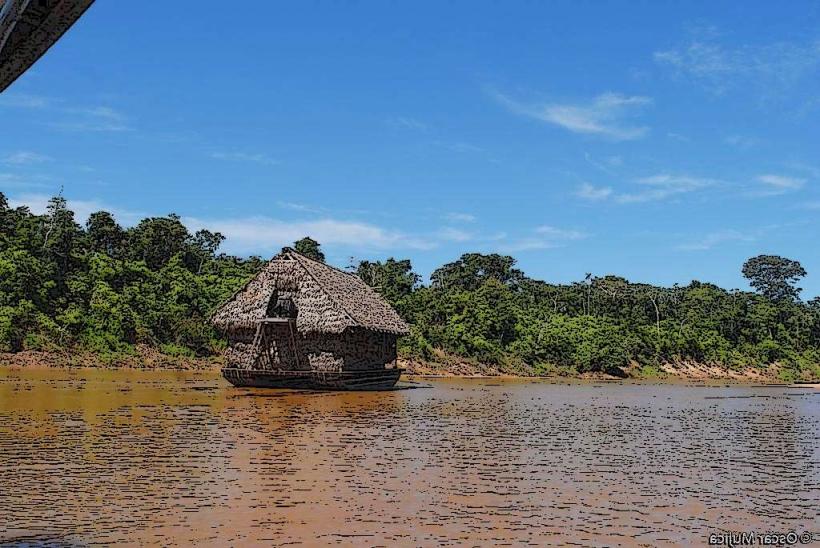
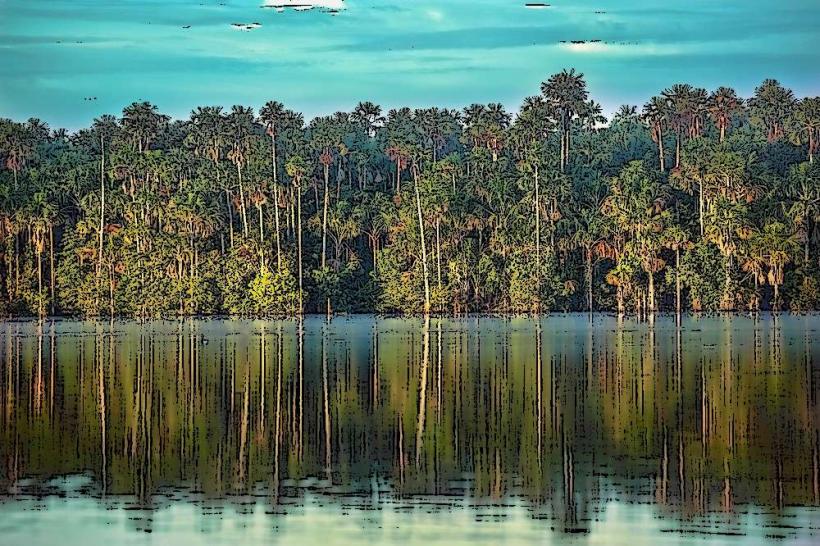
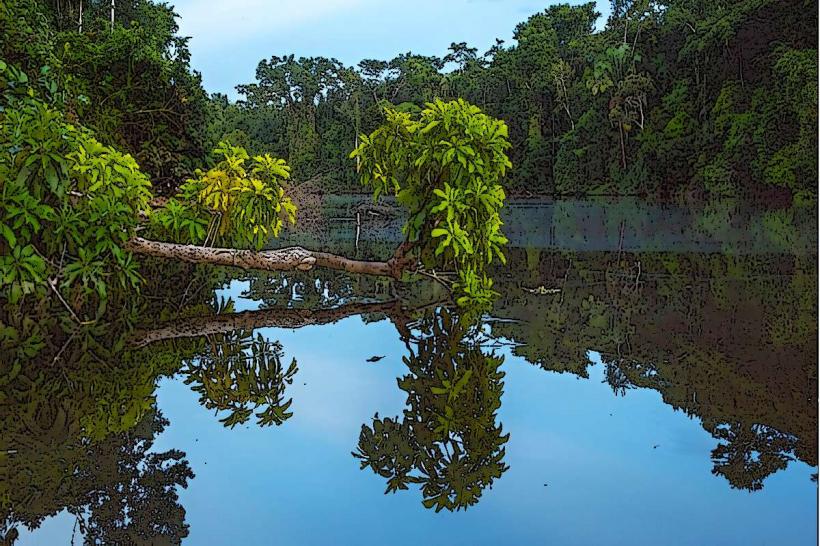
The park features dense Amazonian rainforest with a canopy reaching up to 40 meters. Rivers within the park, such as the Tambopata and Sonene, exhibit brown water coloration due to sediment load. Clay licks, exposed mineral-rich soil banks, are a notable visual feature, attracting macaws and other fauna. The terrain is generally flat to gently rolling, with some areas of higher elevation towards the park's western boundary.
Location & Access Logistics
The primary access point is via Puerto Maldonado, the capital of Madre de Dios. From Puerto Maldonado, travel is typically by motorized canoe or boat along the Tambopata River. The journey to the park entrance can take between 4 to 8 hours, depending on the specific lodge or entry point. Road access is limited and generally not feasible for tourists. There is no public transport directly to the park; access is facilitated through tour operators and lodges that arrange boat transfers.
Historical & Ecological Origin
Bahuaja-Sonene National Park was established on April 11, 1996, to protect the unique biodiversity of the southeastern Peruvian Amazon. Ecologically, it is classified as a lowland tropical rainforest, characterized by high species diversity and endemism. The area is part of the larger Madre de Dios basin, a region known for its geological and ecological significance within the Amazon biome.
Key Highlights & Activities
Activities include wildlife observation, particularly birdwatching at clay licks. Boat excursions on the Tambopata and Sonene rivers allow for sightings of capybaras, caimans, and river otters. Guided jungle hikes on designated trails provide opportunities to observe primates, insects, and diverse plant life. Canopy tours and night walks are also offered by some lodges within or adjacent to the park boundaries.
Infrastructure & Amenities
Infrastructure within the park is minimal, primarily consisting of research stations and eco-lodges located on its periphery or just outside its boundaries. Basic restroom facilities are available at these lodges and some designated visitor areas. Shade is abundant due to the dense forest canopy. Cell phone signal is generally absent within the park; 4G/5G service is not available. Food vendors are not present within the park; meals are provided by lodges.
Best Time to Visit
The dry season, from May to October, is generally considered the best time to visit due to lower rainfall and more accessible trails. The best time of day for wildlife viewing is typically early morning and late afternoon. High tide is not a relevant factor for park access or activities. The period between July and September often offers the clearest skies and most consistent wildlife sightings.
Facts & Legends
A notable fact is that Bahuaja-Sonene National Park is one of the few protected areas in Peru that safeguards both Andean and Amazonian ecosystems, creating a unique transition zone. A local legend speaks of the "Mapacho," a mythical serpent said to inhabit the deepest parts of the Tambopata River, guarding its secrets.
Nearby Landmarks
- Tambopata National Reserve (0.1km West)
- Infierno Community (2.5km North)
- Sandoval Lake (8km Northwest)
- Madre de Dios River (adjacent)
- Puerto Maldonado City (70km Northwest)