Information
Landmark: Heath RiverCity: Madre de Dios
Country: Peru
Continent: South America
Heath River, Madre de Dios, Peru, South America
The Heath River is a waterway located in the Madre de Dios region of Peru, forming part of the border with Bolivia.
It is a significant tributary of the Madre de Dios River, characterized by its muddy, sediment-laden waters.
Visual Characteristics
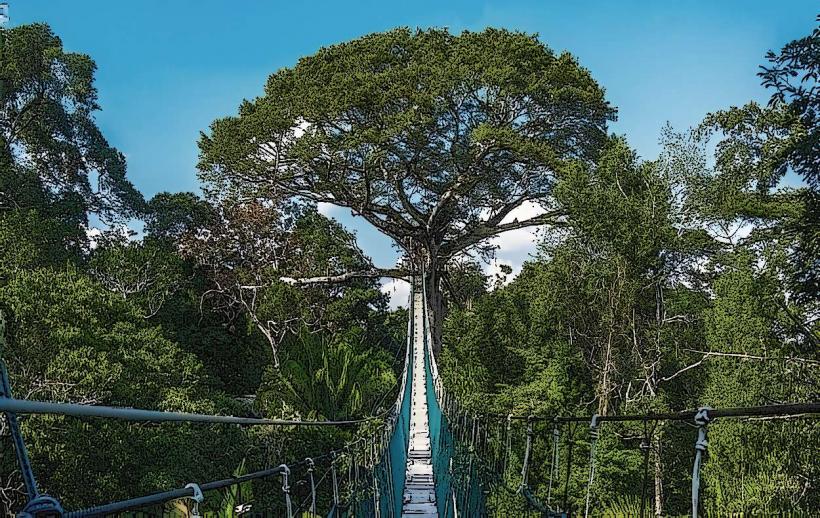
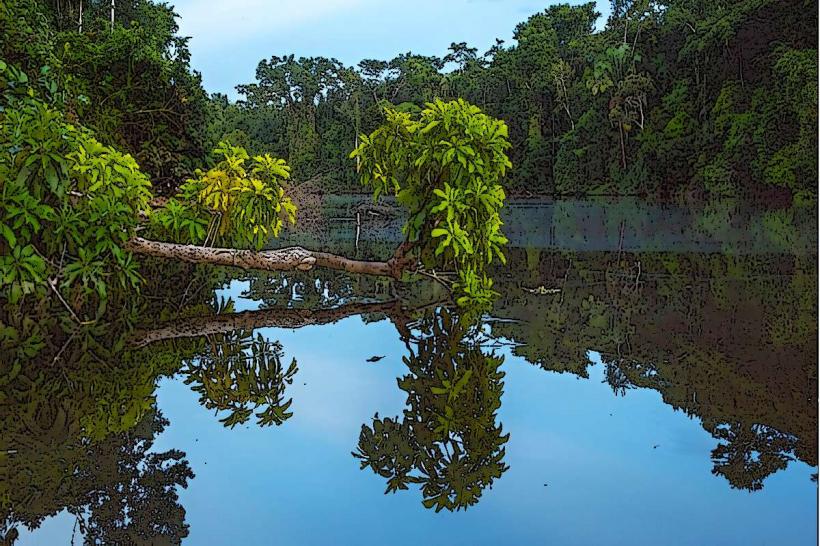
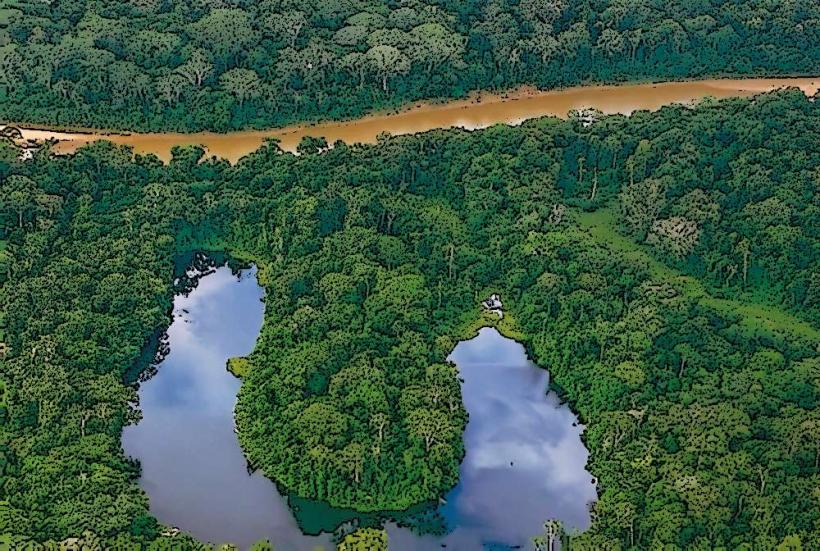
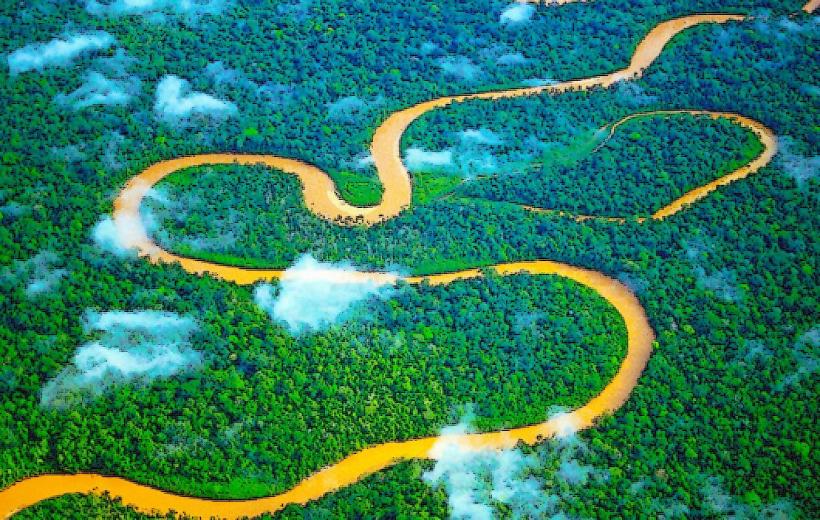
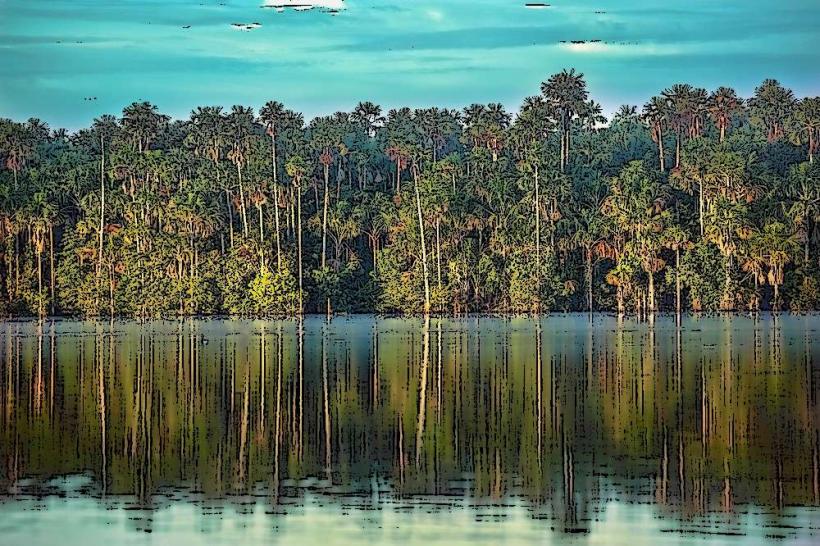
The Heath River exhibits a brown, opaque water color due to high sediment content, typical of whitewater rivers in the Amazon basin. The riverbanks are lined with dense tropical rainforest vegetation, including a variety of tree species and undergrowth. The river's width varies seasonally, but it generally maintains a substantial flow. Rock formations are minimal along the main channel, with the riverbed primarily composed of sand and silt.
Location & Access Logistics
The Heath River is situated in the southeastern part of the Madre de Dios region, bordering the Madidi National Park in Bolivia. Access is primarily via river transport from Puerto Maldonado. Boat journeys typically take 6-8 hours, depending on the vessel and river conditions. There are no direct road connections to the river. Limited parking is available at the port in Puerto Maldonado. Public transport to Puerto Maldonado includes flights from Lima and Cusco, and bus services from Cusco.
Historical & Ecological Origin
The Heath River is a natural fluvial system, part of the Amazon River basin. Its formation is a result of geological processes and the erosive power of water over millennia, carving its path through the Amazonian landscape. Ecologically, it is classified as a whitewater river, supporting a diverse range of aquatic life adapted to its sediment-rich environment. The surrounding rainforest is a primary tropical moist broadleaf forest ecosystem.
Key Highlights & Activities
Boat excursions along the river are the primary activity, offering opportunities for wildlife observation. Birdwatching is particularly productive, with species such as macaws, parrots, and toucans frequently sighted. Piranha fishing is possible in designated areas. Guided jungle walks along the riverbanks can be arranged to observe flora and fauna. Kayaking is an option for experienced individuals during calmer periods.
Infrastructure & Amenities
Basic infrastructure is limited to lodges and research stations located along the riverbanks, which may offer accommodation and meals. Restrooms are available at these established sites. Shade is abundant from the rainforest canopy. Cell phone signal is generally absent or extremely weak along most of the river. Food vendors are not present along the river itself; provisions are typically made by lodges or tour operators.
Best Time to Visit
The dry season, from May to October, offers more stable river conditions and easier navigation. The wet season (November to April) can lead to higher water levels and stronger currents, potentially impacting travel times. For wildlife viewing, early morning and late afternoon provide optimal lighting and animal activity. There are no specific tide requirements as it is a river system.
Facts & Legends
The Heath River is known for its clay licks, where hundreds of macaws and parrots gather to consume mineral-rich clay, a behavior crucial for their digestion. Local indigenous communities have traditional knowledge of the river's medicinal plants and animal behavior, passed down through generations.
Nearby Landmarks
- Madidi National Park (Bolivia) - 0.1km East
- Tambopata National Reserve - 15km Southwest
- Puerto Maldonado - 120km West
- Manu National Park - 150km Northwest