Landmark: Boti Falls
City: Koforidua
Country: Ghana
Continent: Africa
Boti Falls, Koforidua, Ghana, Africa
Boti Falls is a seasonal twin waterfall system located in the Huhunya forest reserve within the Yilo Krobo District of the Eastern Region. It is situated approximately 17km northeast of Koforidua and is fed by the Pawnpawn River.
Visual Characteristics
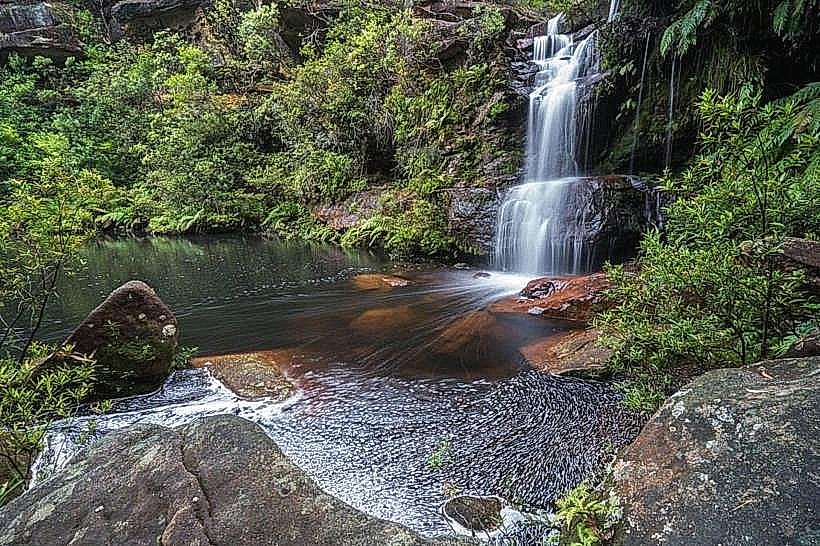
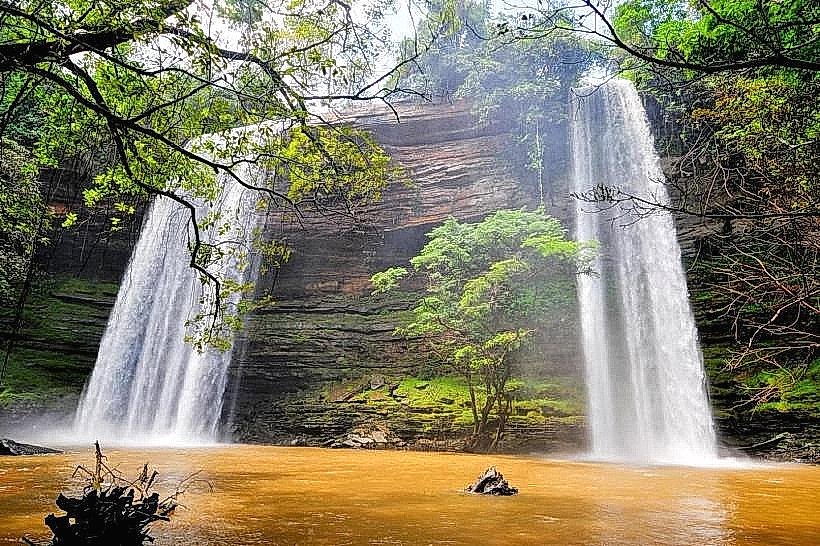
The falls consist of two distinct vertical drops, referred to locally as "male" and "female," which converge into a single pool during high flow. The water descends 30 meters over a sheer sandstone cliff into a shallow, silt-bottomed basin surrounded by dense semi-deciduous forest. During the rainy season, the water carries a light brown sediment load, while the rock face features vertical iron-oxide staining and moss-covered crevices.
Location & Access Logistics
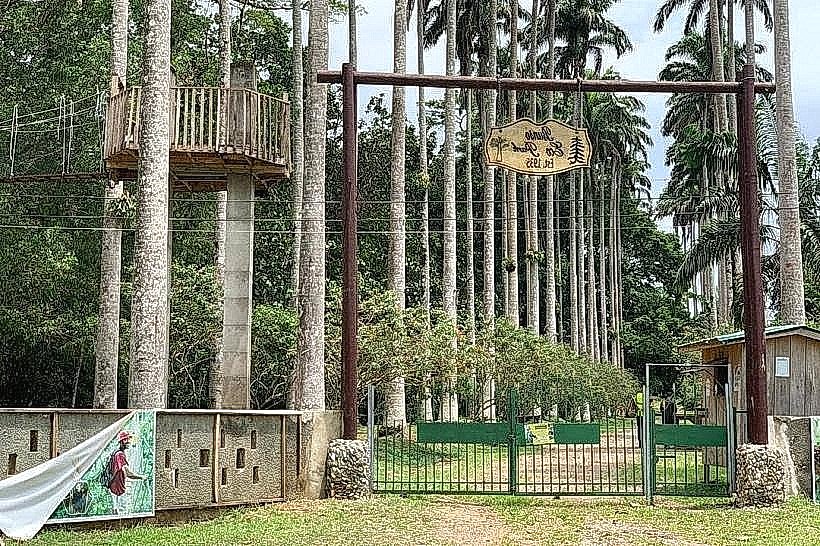
Access is via the Koforidua-Huhunya Road, a paved but winding route through the Akwapim-Togo mountain range. From Koforidua, the drive takes approximately 30 to 45 minutes by private vehicle or shared taxi. A dedicated gravel parking lot is located at the primary entrance gate. Public transport via "tro-tro" is available from the Koforidua main station toward Huhunya, with a clearly marked 200-meter walk to the falls' visitor center.
Historical & Ecological Origin
Geologically, Boti Falls is part of the Voltaian Basin, formed by the erosion of sedimentary sandstone layers over millions of years. Historically, the site served as a secluded ritual space for the Krobo people before being developed for eco-tourism in the 1960s. The surrounding forest is a protected ecological zone characterized by diverse avian species and tropical hardwoods.
Key Highlights & Activities
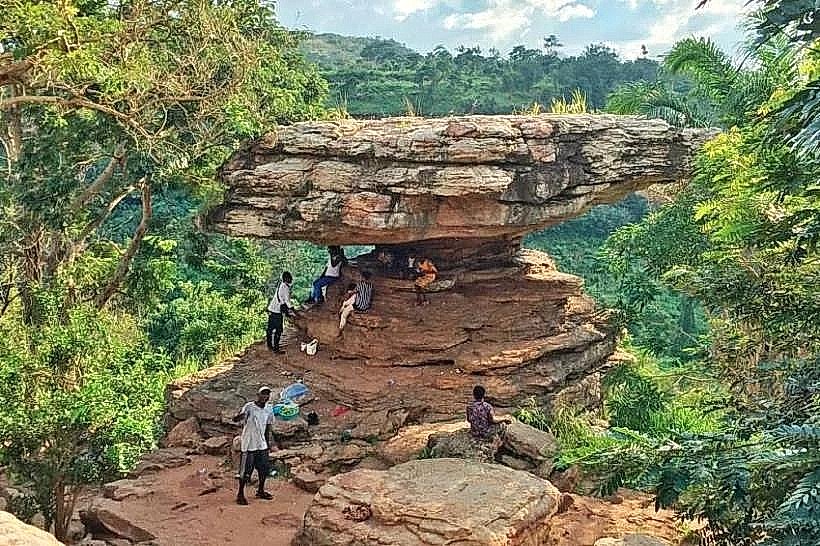
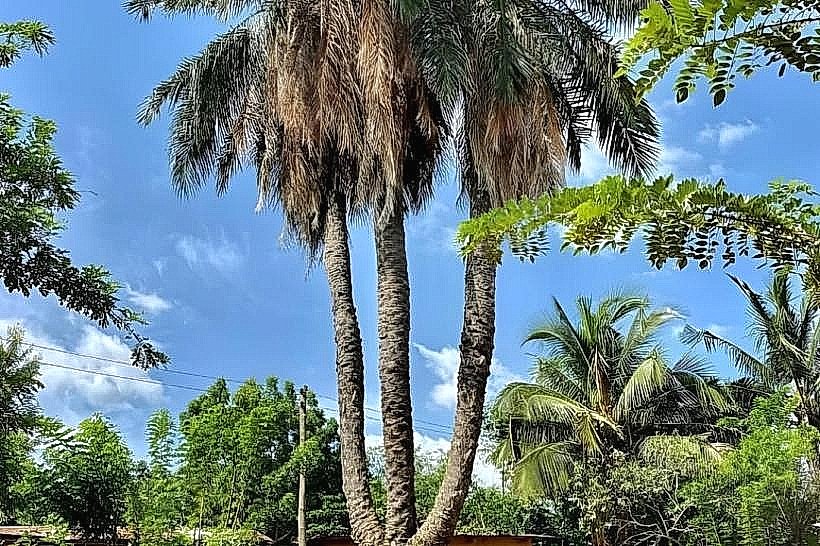
Hiking is the primary activity, with a 250-step concrete staircase leading to the base of the falls. Guided trekking to the "Umbrella Rock" and the "Three-Headed Palm Tree" is available from the visitor center. Swimming is permitted in the plunge pool when water levels are safe; however, diving is prohibited due to submerged rocks.
Infrastructure & Amenities
The site features a central visitor center with a ticket office and basic restroom facilities. Stone benches and a summer hut provide limited shade near the viewing platforms. Cell phone signal (4G) is intermittent due to the valley topography but generally available at the top of the ridge. Local food vendors sell bottled water and snacks near the entrance, though there are no full-service restaurants on-site.
Best Time to Visit
The peak flow occurs during the rainy season from June to August, which is the best time to see both falls active. Photography is optimal between 10:00 and 12:00 when the sun is directly overhead, often creating rainbows in the mist at the base. During the peak dry season (January to March), the "female" fall frequently dries up entirely.
Facts & Legends
A local myth suggests that when the two falls merge during the rainy season, they are "mating," and the resulting mist represents their offspring. A verified historical oddity is that the site was a favored retreat for Ghana’s first president, Kwame Nkrumah, who visited the falls to find seclusion for state deliberations.
Nearby Landmarks
Umbrella Rock: 0.8km North
Three-Headed Palm Tree: 1.2km North
Huhunya Forest Reserve: 0.5km West
Akaa Falls: 4.5km Southeast