Landmark: Capitol of Dougga
City: Dougga
Country: Tunisia
Continent: Africa
Capitol of Dougga, Dougga, Tunisia, Africa
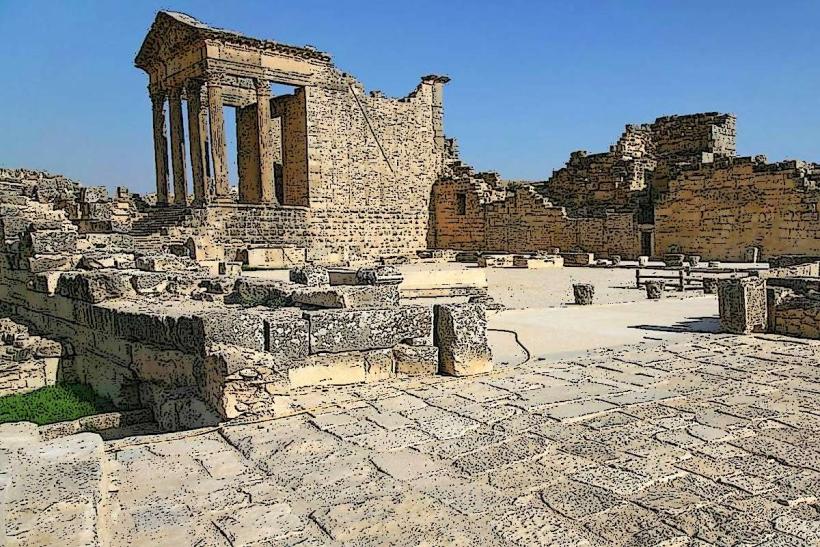
The Capitol of Dougga is a Roman temple located in the ancient city of Dougga, Tunisia.
It is one of the best-preserved Roman structures in North Africa.
Visual Characteristics
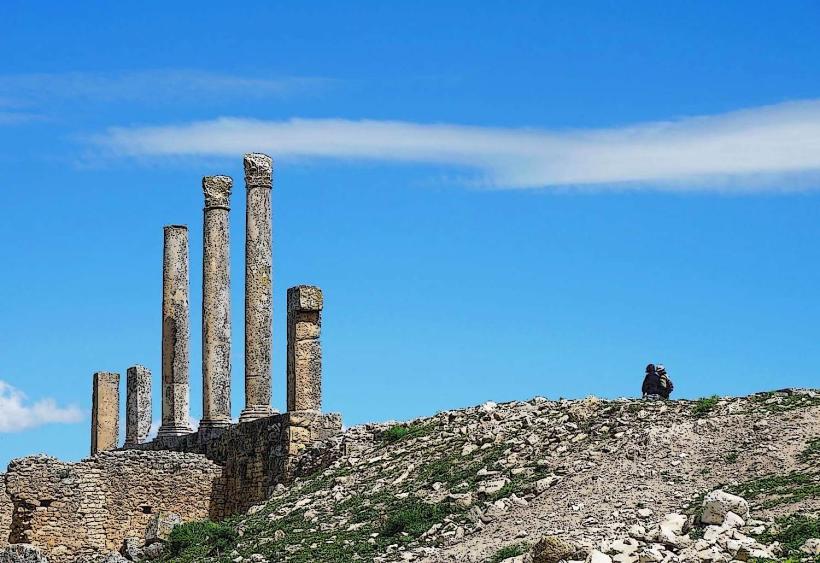
The Capitol is constructed primarily from limestone blocks. Its facade features a portico with eight Corinthian columns supporting a pediment. The temple's cella, the inner chamber, is rectangular. The structure stands at approximately 15 meters in height.
Location & Access Logistics
The Capitol is situated within the archaeological site of Dougga. Dougga is located approximately 100 kilometers southwest of Tunis. Access to the site is via Route P17. Parking is available at the designated visitor entrance to the Dougga archaeological park. No direct public transport serves the site; visitors typically arrive by private vehicle or organized tour from nearby towns like Testour or Béja.
Historical & Ecological Origin
The Capitol was dedicated to the Capitoline Triad: Jupiter, Juno, and Minerva. It was constructed during the reign of Emperor Antoninus Pius, with its dedication inscription dating to 167 AD. The original purpose was religious worship.
Key Highlights & Activities
Examination of the temple's facade and interior. Observation of the surviving inscriptions on the entablature. Walking the perimeter of the temple structure. Photography of the architectural details.
Infrastructure & Amenities
Restrooms are available at the main visitor center for the Dougga archaeological site. Limited shade is provided by the temple's remaining structure. Cell phone signal (4G) is generally available within the site. No food vendors are present within the immediate vicinity of the Capitol; food options are available in the town of Dougga or nearby settlements.
Best Time to Visit
For optimal lighting conditions for photography, early morning (08:00-10:00) or late afternoon (16:00-18:00) is recommended, particularly during spring and autumn. The months of April, May, September, and October offer moderate temperatures. Avoid midday during summer months due to high temperatures.
Facts & Legends
A specific detail of interest is the surviving inscription on the architrave, which clearly states the dedication and the names of the magistrates responsible for its construction. This inscription provides direct evidence of the temple's dating and purpose.
Nearby Landmarks
Temple of Juno: 0.1km North
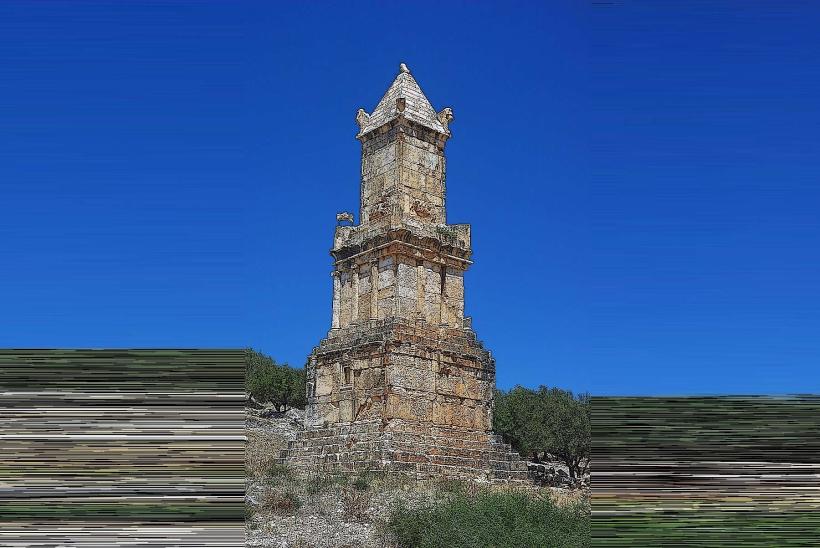
Libyan-Punic Mausoleum: 0.3km Northwest
Roman Theatre: 0.4km West
Baths of Antoninus: 0.5km Southwest
Triumphal Arch of Caracalla: 0.6km West