Landmark: Necropolises of Dougga
City: Dougga
Country: Tunisia
Continent: Africa
Necropolises of Dougga, Dougga, Tunisia, Africa
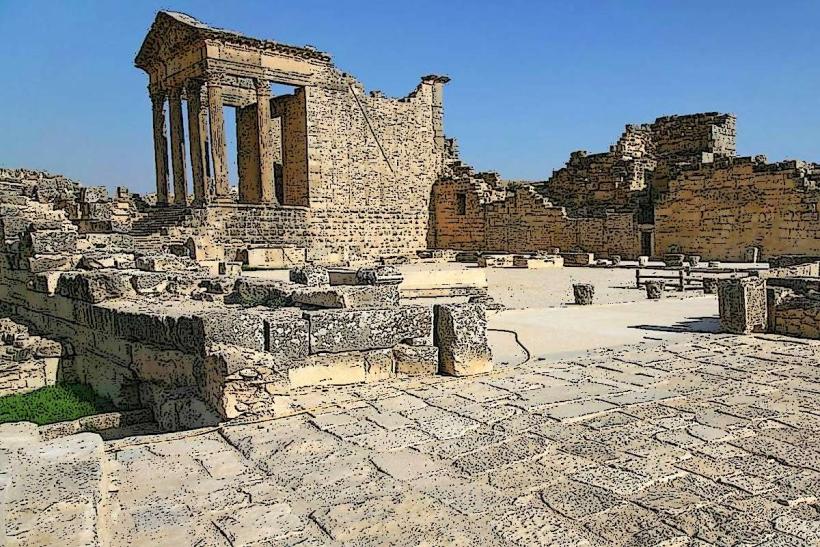
The Necropolises of Dougga are an archaeological site located in the vicinity of the ancient Roman city of Dougga, Tunisia.
This site contains a collection of tombs and burial structures dating from various historical periods.
Visual Characteristics
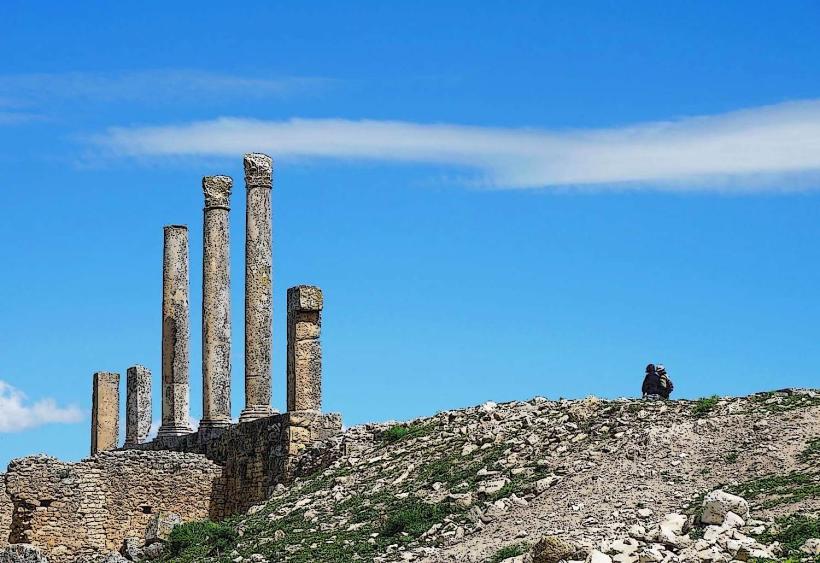
The necropolises feature numerous stone mausoleums and hypogea, constructed from local limestone. Structures vary in size and complexity, with some exhibiting carved facades and inscriptions. The predominant color of the stone is a pale ochre, weathered by time. Vegetation is sparse, consisting mainly of scrub and grasses.
Location & Access Logistics
The site is situated approximately 2 kilometers west of the main archaeological site of Dougga. Access is via unpaved tracks branching off the main road connecting Testour to Thuburbo Majus (GP7). Parking is available on the roadside adjacent to the necropolis area. No public transport directly serves the necropolises; visitors typically arrive by private vehicle or taxi from nearby towns like Testour or El Krib.
Historical & Ecological Origin
The necropolises developed concurrently with the Roman city of Dougga, serving as its burial grounds from the Punic period through the Roman and Byzantine eras. The structures reflect evolving funerary practices and architectural styles over centuries. The geological substrate is primarily Jurassic limestone, characteristic of the region.
Key Highlights & Activities
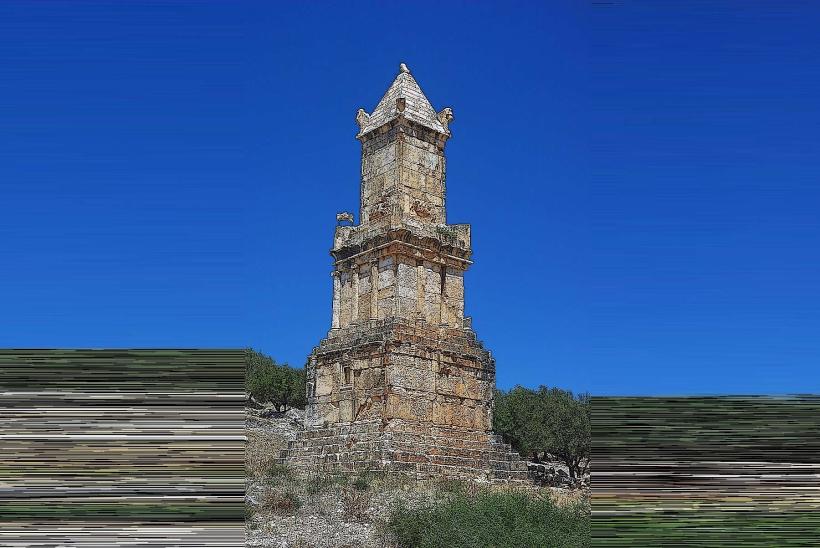
Exploration of the various tomb structures, including the Mausoleum of the Priest of Ba'al Hammon and the Libyco-Punic mausoleum. Examination of surviving inscriptions and architectural details. Observation of the surrounding landscape and its integration with the burial sites.
Infrastructure & Amenities
No formal infrastructure or amenities are present at the necropolises. Restrooms, shade, and food vendors are not available on-site. Cell phone signal is intermittent.
Best Time to Visit
The optimal time for visiting is during the cooler months of spring (March-May) and autumn (September-November) to avoid extreme heat. Mid-morning or late afternoon offers more favorable lighting conditions for viewing the stone structures and inscriptions.
Facts & Legends
One notable structure is the Mausoleum of the Priest of Ba'al Hammon, a rare example of a Libyco-Punic tomb with a surviving inscription detailing its occupant and purpose. Local folklore does not extensively document specific legends tied directly to the necropolises themselves, with most narratives focusing on the main city of Dougga.
Nearby Landmarks
- Dougga Roman City: 2km East
- El Krib Dam: 4.5km Southwest
- Testour Town: 8km Northeast