Landmark: Carmel Market
City: Tel Aviv
Country: Israel
Continent: Asia
Carmel Market, Tel Aviv, Israel, Asia
Carmel Market, also known as Shuk HaCarmel, is the largest open-air marketplace in Tel Aviv, Israel. It serves as a central hub for commercial trade and culinary activity, stretching from the junction of King George Street, Sheinkin Street, and Allenby Street toward the Mediterranean coastline.
Visual Characteristics
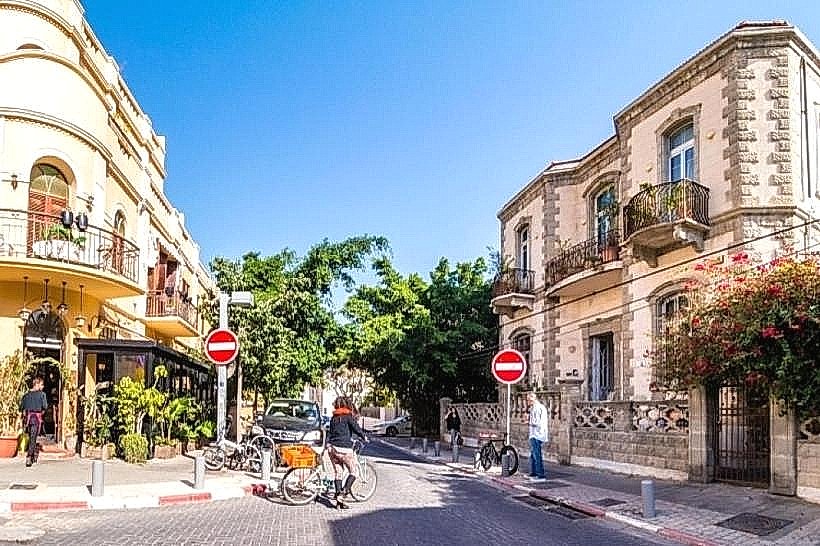
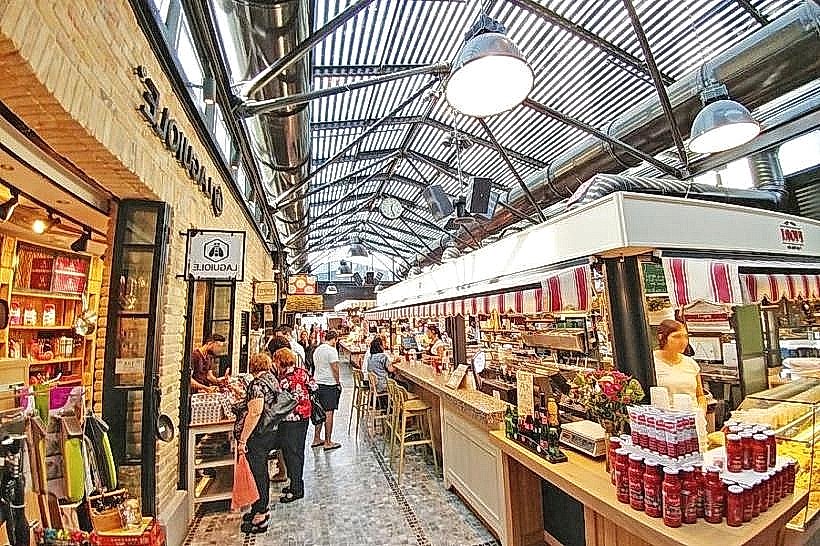
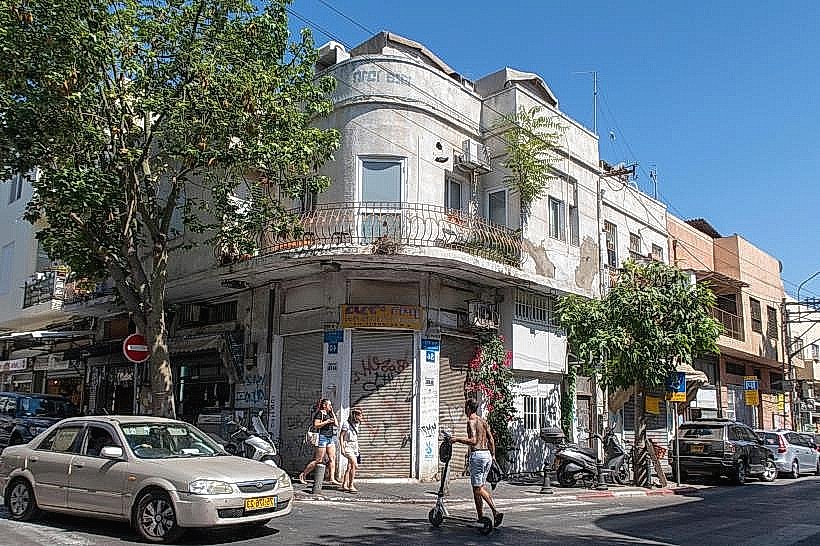
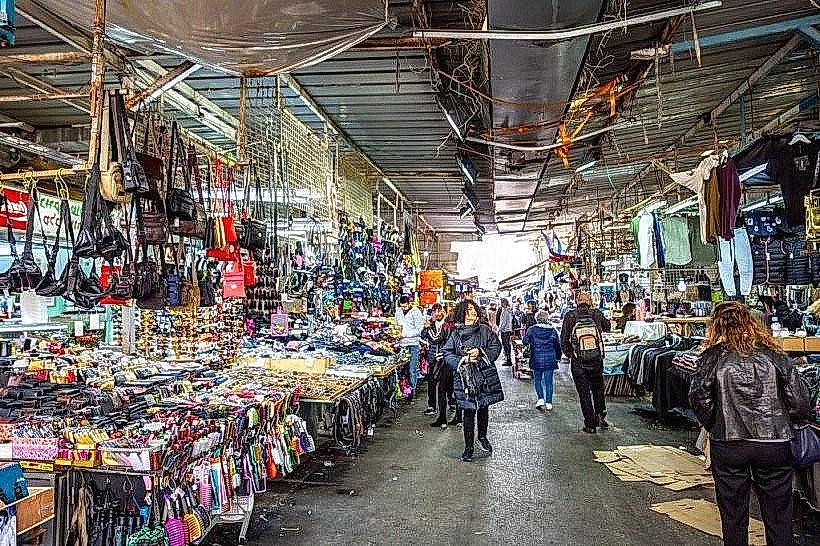
The market consists of a long, linear main alley primarily paved with asphalt and flanked by makeshift stalls and permanent concrete storefronts. High-density overhead coverage is provided by a patchwork of corrugated plastic sheets, fabric tarps, and metal roofing that filters sunlight. The architectural style in the adjacent Yemenite Quarter (Kerem HaTeimanim) features low-rise stone and plaster residential buildings with narrow pedestrian passages.
Location & Access Logistics
The primary entrance is located at Magen David Square, where Allenby Street, King George Street, Sheinkin Street, and Carmel Street intersect. Public transport access is facilitated via several bus lines, including the 18, 24, and 25, which stop at the Allenby/HaCarmel station. Underground parking is available at the nearby Gruzenberg and Bezalel lots, though vehicle access is prohibited within the market itself.
Historical & Ecological Origin
Carmel Market was established in the early 1920s during the British Mandate period. It originated as a designated trading zone for Jewish immigrants from Russia and Europe who purchased plots of land to sell agricultural produce. In 1920, the first mayor of Tel Aviv, Meir Dizengoff, formally inaugurated the area as a municipal market to consolidate street vending and regulate local trade.
Key Highlights & Activities
Culinary Sampling: Specialized food stalls offer hummus, falafel, shakshuka, and Yemenite malawach throughout operating hours.
Wholesale Shopping: Bulk purchasing of spices, dried fruits, nuts, and seasonal produce is available daily.
Evening Economy: After 20:00, produce stalls close and the market transitions into a nightlife zone with craft beer bars and casual restaurants.
Craft Fair: On Tuesdays and Fridays, the adjacent Nahalat Binyamin street hosts an organized arts market featuring handmade glass, wood, and ceramic goods.
Infrastructure & Amenities
Public restrooms are located at the southern end near the intersection of Carmel and Rabbi Akiva streets. Shade is consistent throughout the main thoroughfare due to the overhead awnings, though side alleys are exposed. 4G and 5G cellular signals are stable across the site. Food vendors are the primary occupants, supported by small bakeries and juice stands. Seating is limited and generally restricted to designated café areas.
Best Time to Visit
The market operates Sunday through Thursday from 08:00 to 19:00, and Fridays from 08:00 until approximately two hours before sunset. For photography, the early morning hours (08:00–10:00) offer lower crowd density and natural directional light. Tuesdays and Wednesdays see the lowest foot traffic. Fridays reach peak density before the Sabbath closure.
Facts & Legends
A local historical oddity involves the "Carmelit" bus line, which originally operated directly through the market's narrow central alley. Due to increasing pedestrian density and safety concerns, the route was eventually diverted, turning the market into a pedestrian-only zone. Vendors utilize a shouting culture to announce price drops toward the end of the business day on Fridays.
Nearby Landmarks
Nachalat Binyamin Pedestrian Mall: 0.1km East
Great Synagogue of Tel Aviv: 0.4km Southeast
Meir Park: 0.7km Northeast
Charles Clore Park: 0.9km Southwest
Bialik House: 0.5km North