Landmark: White City
City: Tel Aviv
Country: Israel
Continent: Asia
White City, Tel Aviv, Israel, Asia
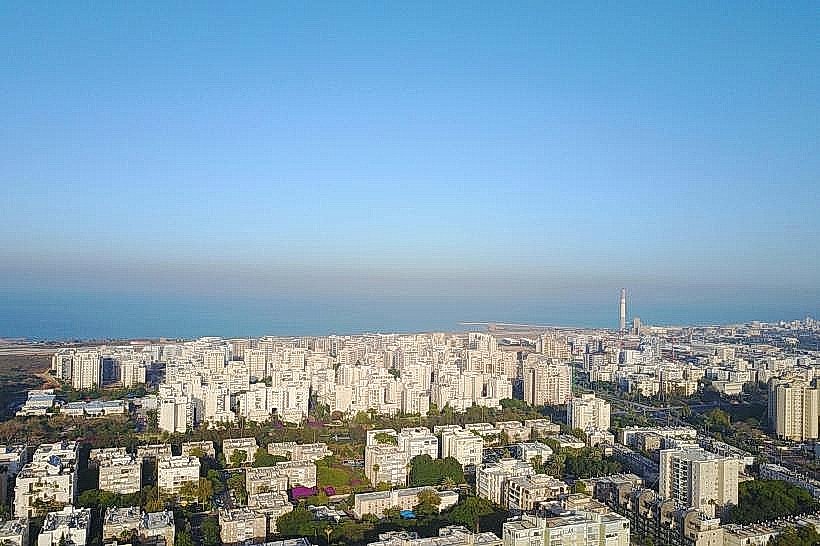
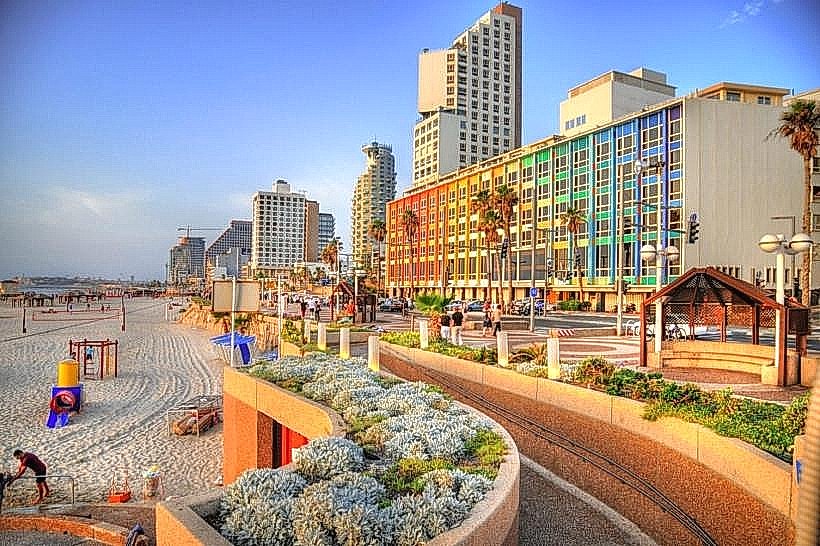
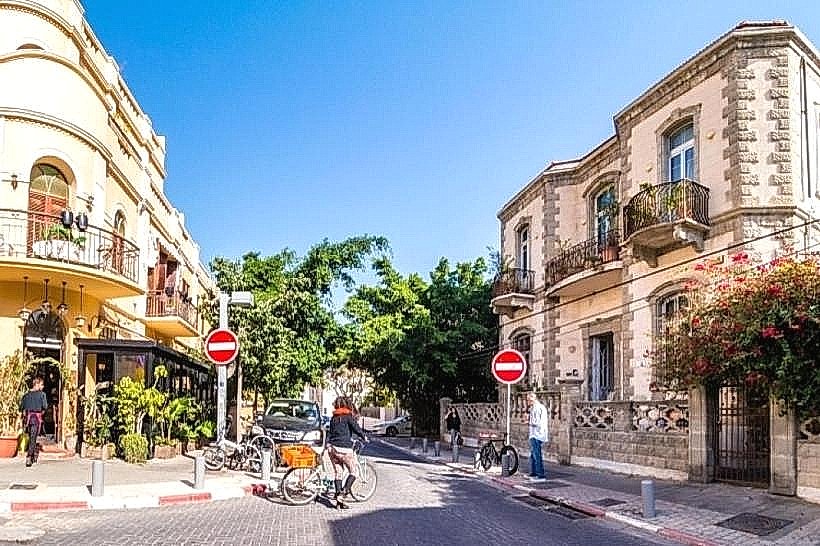
The White City is a designated UNESCO World Heritage site comprising a collection of over 4,000 International Style buildings in Tel Aviv, Israel. It represents the world's largest concentration of Bauhaus-influenced architecture, constructed primarily between 1930 and 1950 to accommodate rapid urban growth.
Visual Characteristics
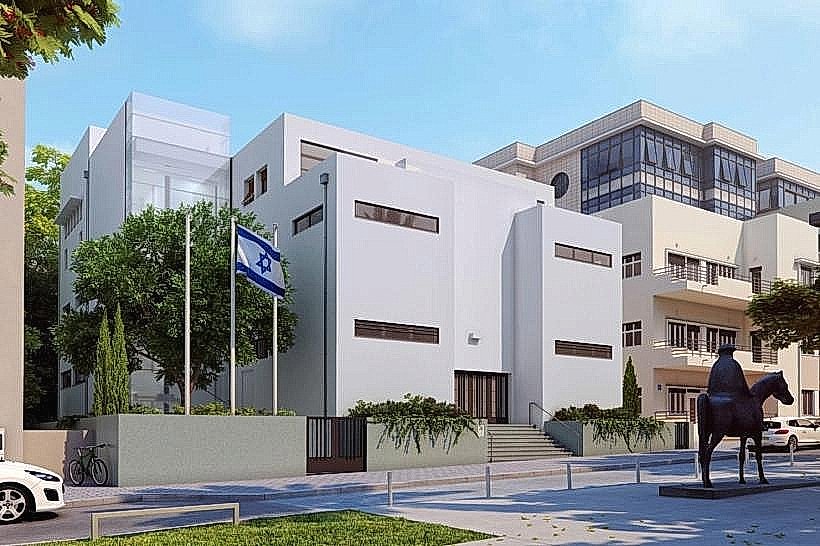
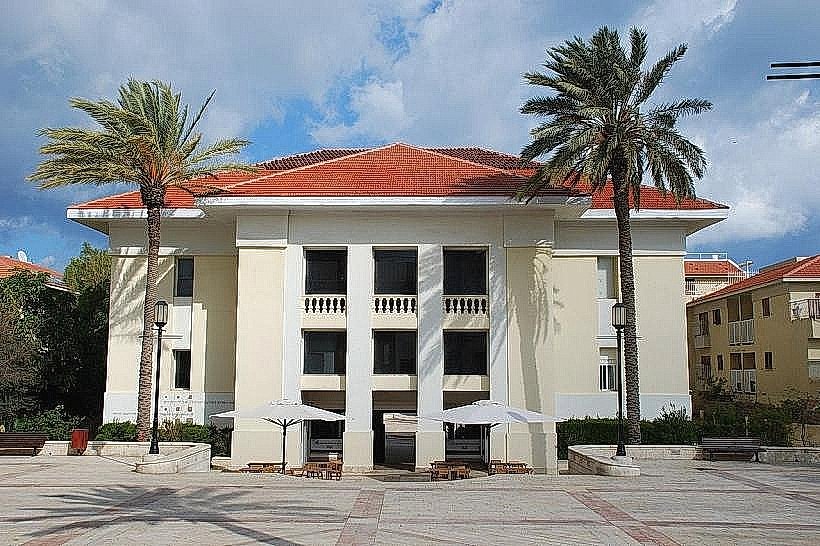
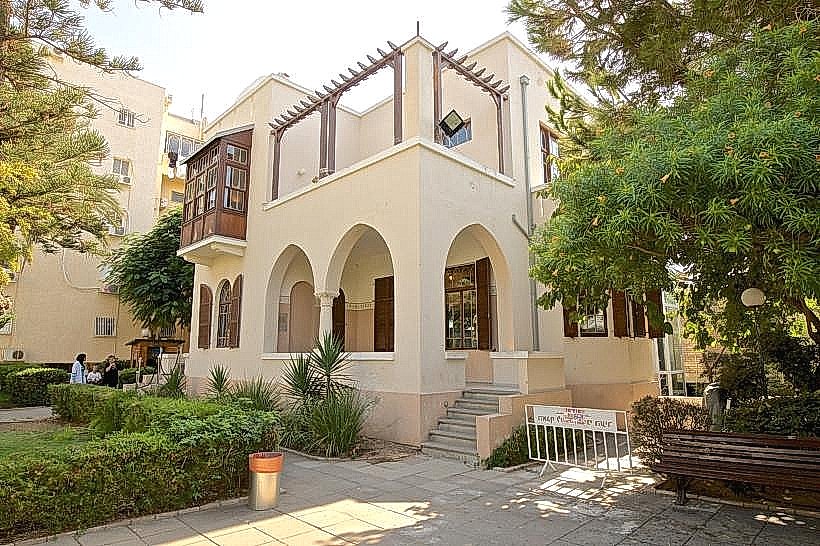
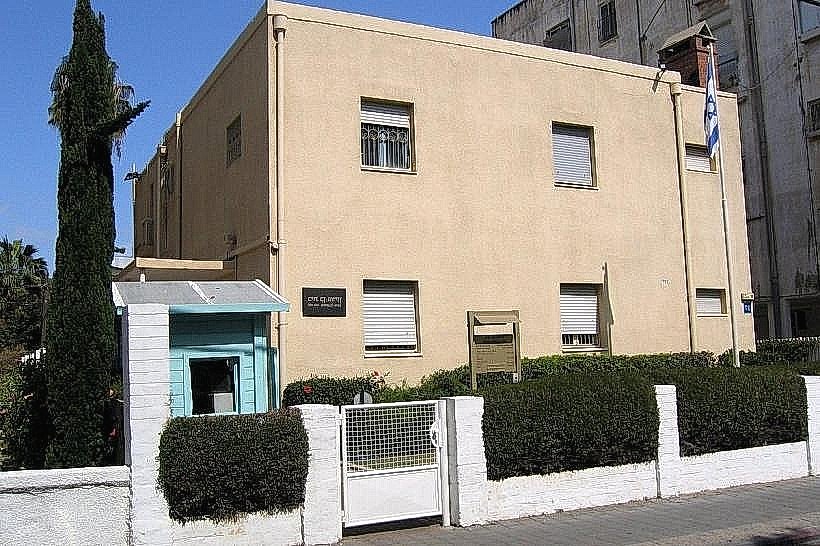
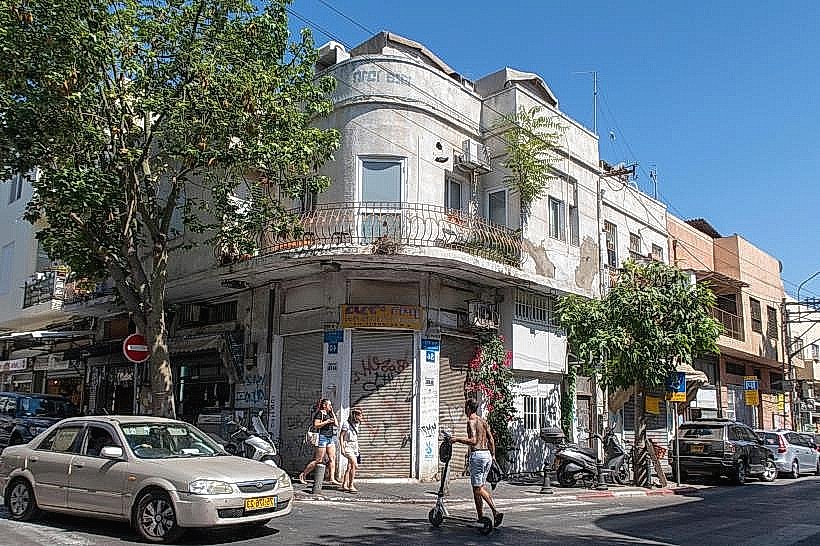
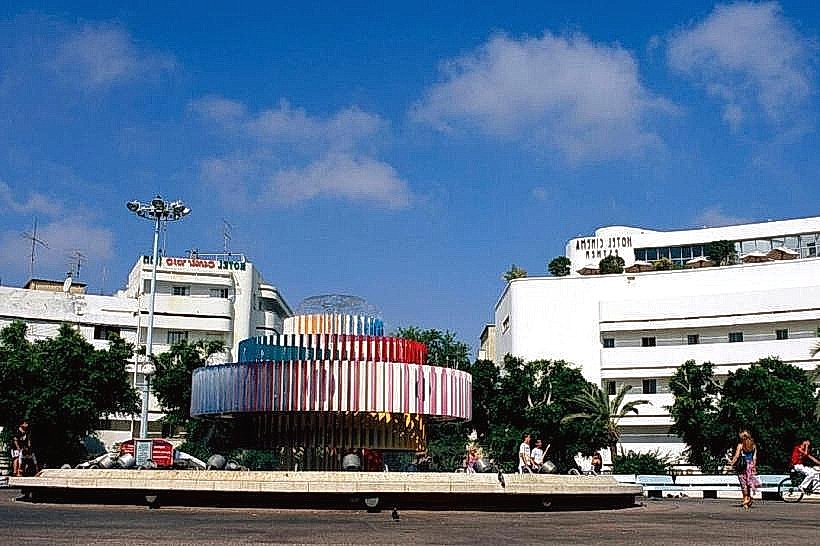
The architecture is defined by the International Style, characterized by functionalism, asymmetry, and a total lack of ornamentation. Buildings feature reinforced concrete structures finished in white or light-colored plaster to reflect Mediterranean heat. Specific design elements include horizontal ribbon windows, flat roofs, and "pilotis" (pillars) that elevate the first floor to create shaded ground-level ventilation. Curved balconies and "thermometer" windows-vertical glass strips on stairwells-are common visual motifs used to emphasize geometric purity.
Location & Access Logistics
The site is divided into three main zones: the central White City (Zone A), the Lev HaIr district (Zone B), and the Bialik District (Zone C). Key axes include Rothschild Boulevard, Dizengoff Street, and Bialik Street. These areas are central and accessible via the Red Line light rail (Allenby or Yehudit stations) and high-frequency bus lines 1, 2, 5, and 172. While the district is primarily pedestrian and cyclist-friendly, paid parking garages are located at Dizengoff Center and Habima Square.
Historical & Ecological Origin
The district was developed according to a 1925 master plan by Scottish urban planner Sir Patrick Geddes, who applied "Garden City" principles to the sand dunes north of Jaffa. The buildings were designed by Jewish architects, such as Zeev Rechter and Arieh Sharon, who fled Nazi Germany after studying at the Bauhaus school. In 2003, UNESCO formally recognized the area for its unique adaptation of European Modernism to a Middle Eastern climatic and cultural context.
Key Highlights & Activities
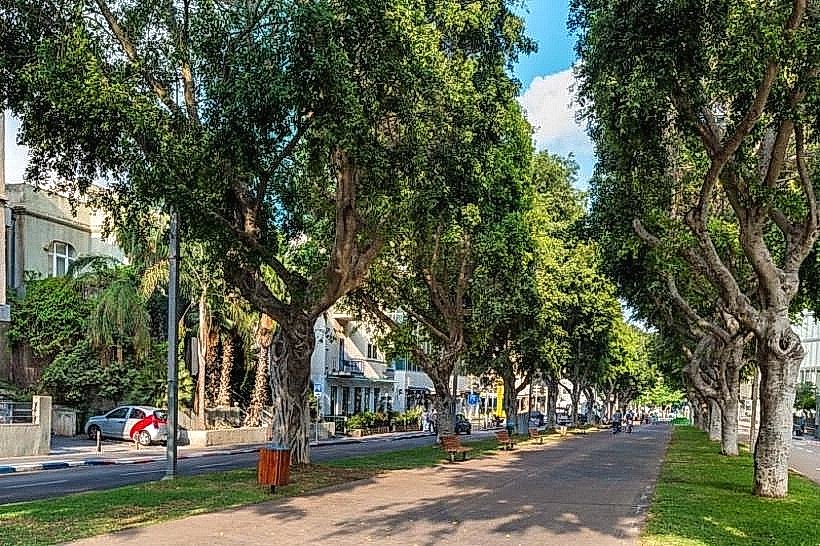
Architectural Walking: Self-guided or organized tours focus on the preservation of the "Great Three" boulevards: Rothschild, Chen, and Ben Gurion.
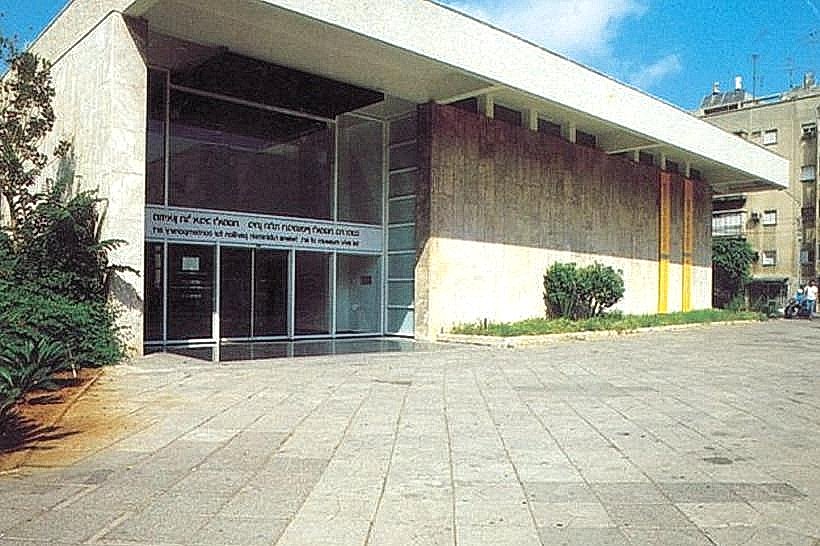
Museum Visits: The Liebling Haus (White City Center) and the Bauhaus Museum on Bialik Street offer technical exhibits on construction methods and preservation.
Cycling: Paved bike paths run the length of Rothschild Boulevard, allowing for rapid transit between Bauhaus landmarks.
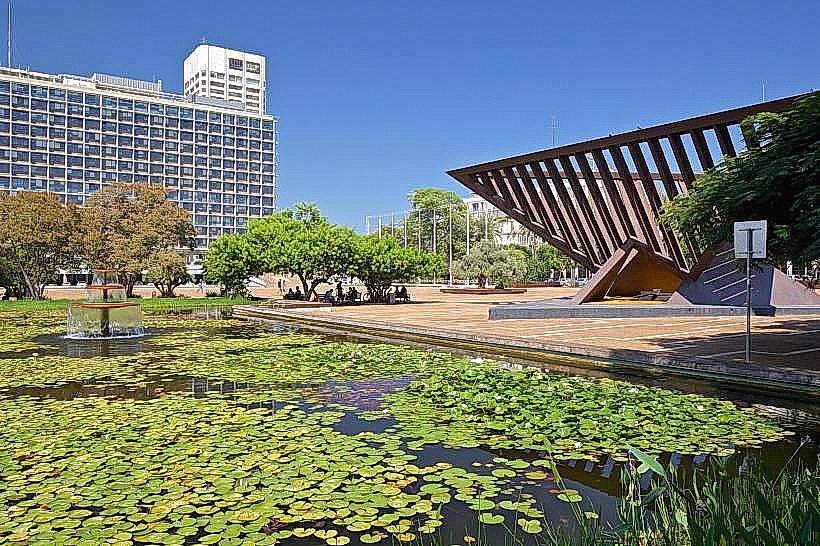
Plaza Observation: Dizengoff Square provides a 360-degree view of renovated International Style facades surrounding a central fountain.
Infrastructure & Amenities
The district is a fully integrated urban environment with constant 5G cellular coverage. Shade is provided by dense Ficus tree canopies along the central boulevards and the recessed balconies of the buildings themselves. Public restrooms are located in municipal parks like Meir Park and cultural centers like Habima. Water fountains (re-filla stations) are stationed every 200-300 meters along the main pedestrian paths.
Best Time to Visit
Optimal photography conditions occur in the early morning (07:00–09:00) when the low sun angle highlights the geometric shadows and depth of the recessed balconies. The weather is most suitable for walking from October through May. During the summer months, high humidity makes evening strolls preferable. Most specialized museums and galleries are closed on Saturdays for the Sabbath.
Facts & Legends
A verified historical oddity is that the "White City" was not originally white; many buildings were originally painted in shades of light blue, pink, or ochre to reduce glare. The uniform white appearance became a standardized preservation requirement only after the UNESCO designation. Additionally, the unique "thermometer" windows were not just aesthetic but served as a passive cooling system, drawing hot air up and out of the stairwells.
Nearby Landmarks
Habima National Theatre: 0.2km Southeast
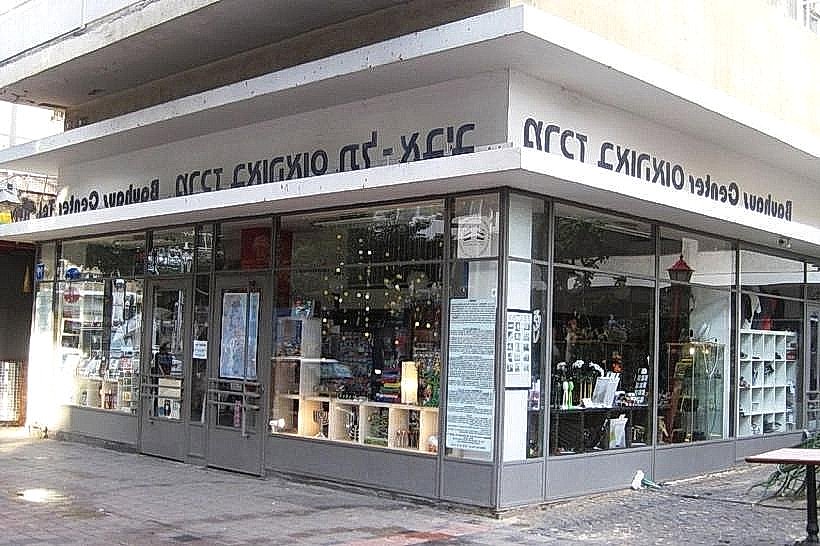
Dizengoff Center: 0.4km North
Meir Park: 0.5km Northwest
Great Synagogue of Tel Aviv: 0.8km South
Independence Hall: 0.9km South