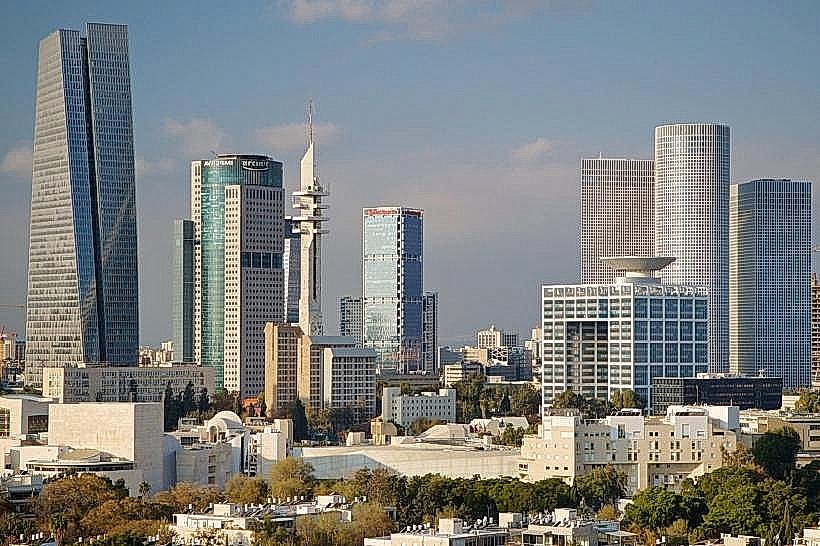
Landmark: Lev HaIr City Center
City: Tel Aviv
Country: Israel
Continent: Asia
Lev HaIr City Center, Tel Aviv, Israel, Asia
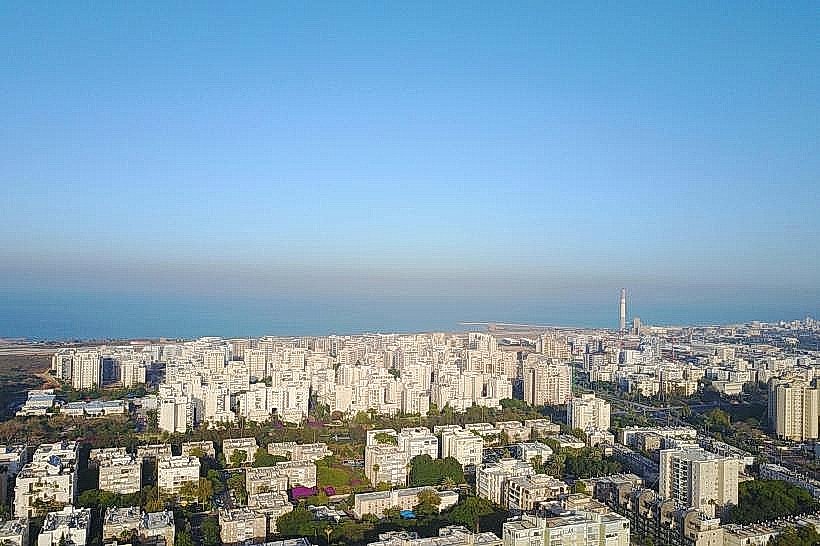
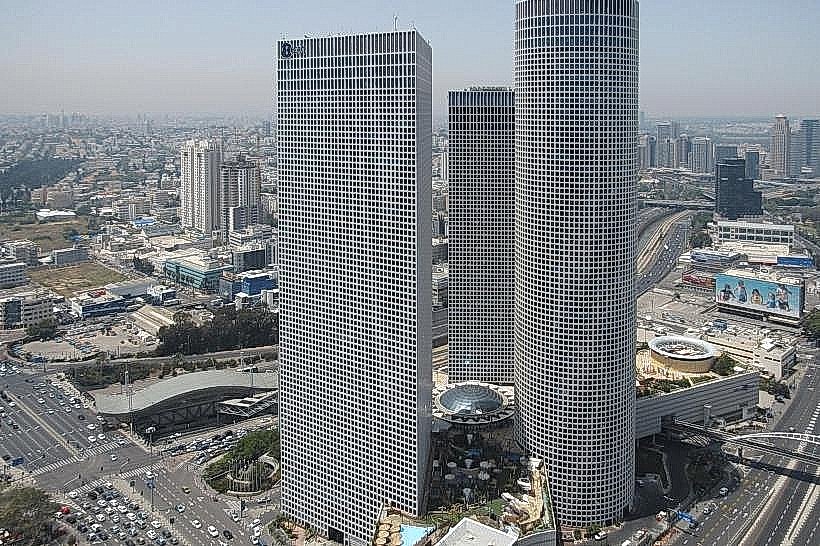
City Center, or the Lev HaIr district, is the administrative and cultural core of Tel Aviv, Israel. It is defined by its high concentration of Bauhaus architecture and serves as the primary intersection for the city’s financial, residential, and commercial sectors.
Visual Characteristics
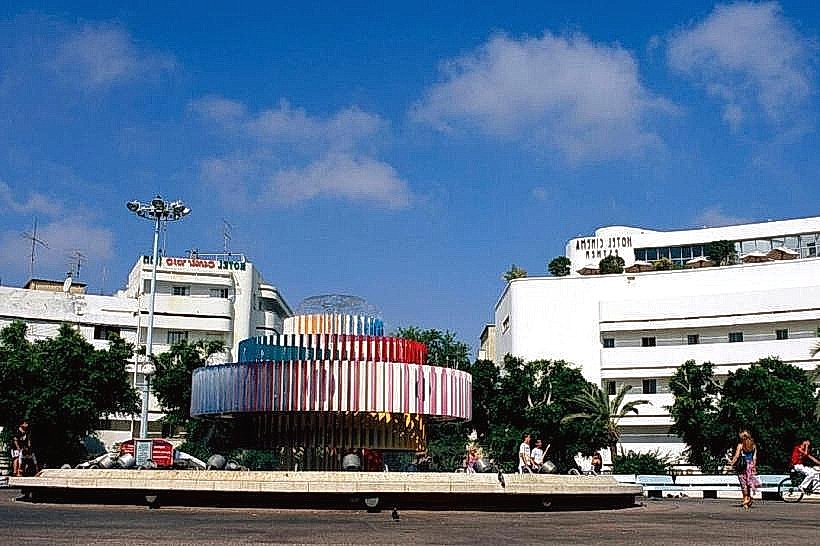
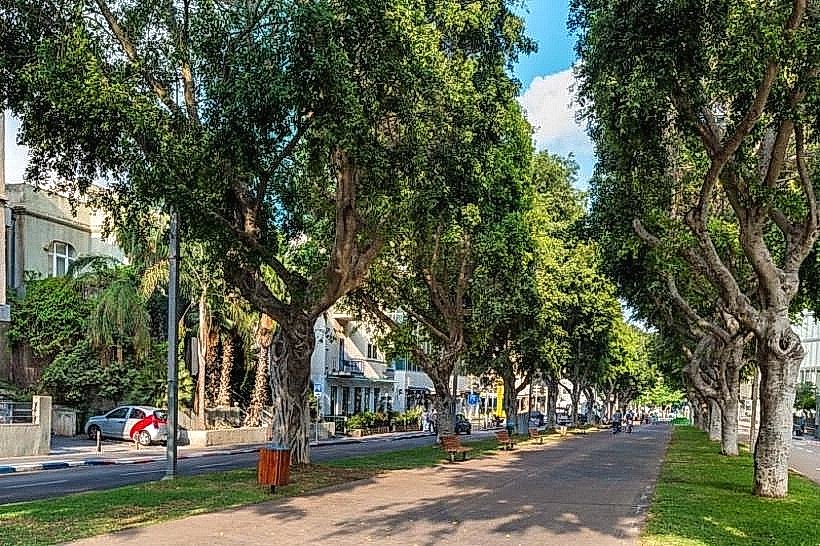
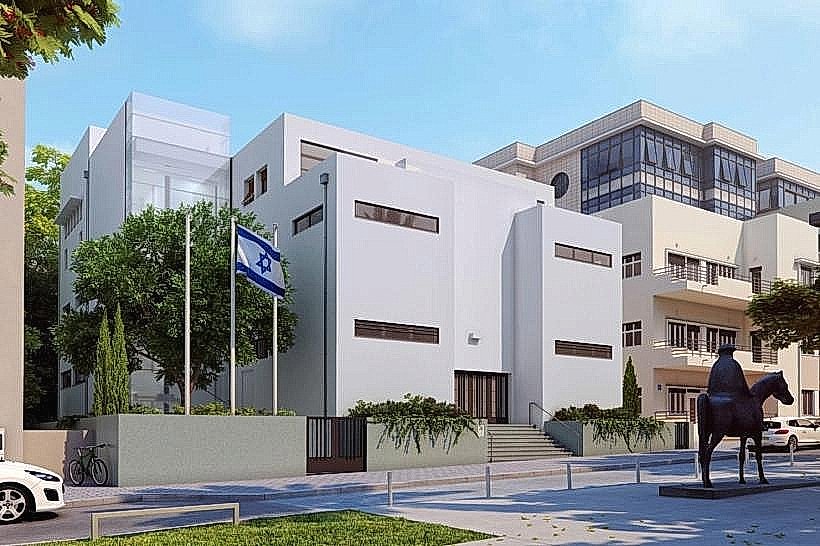
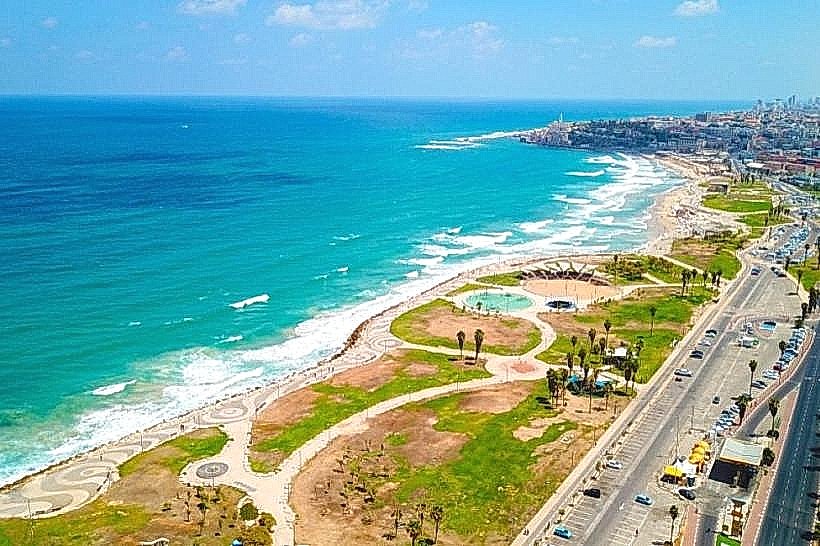
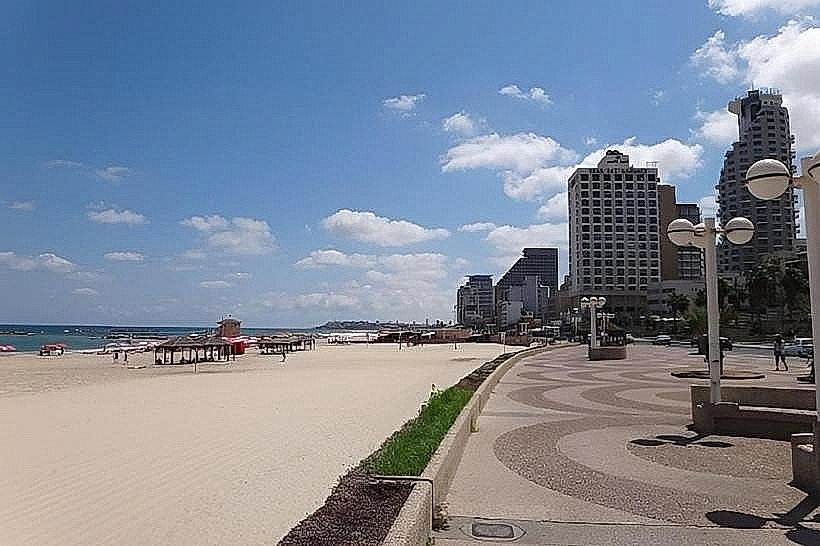
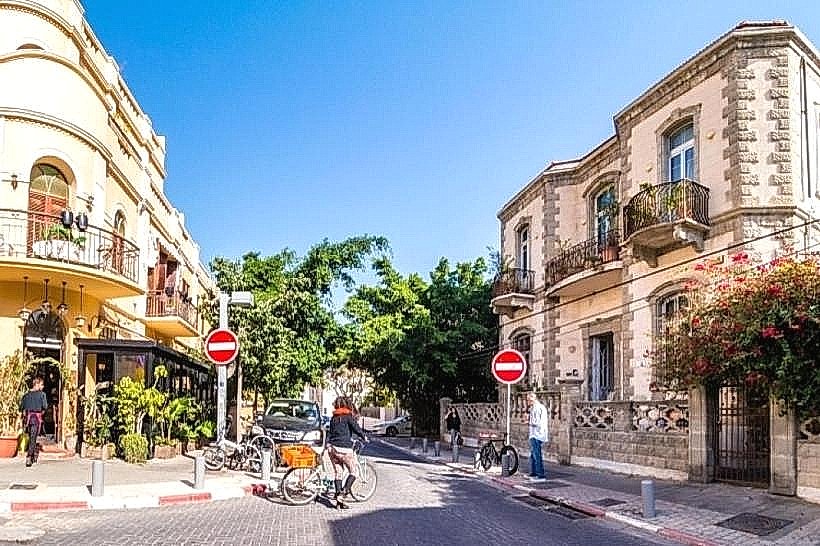
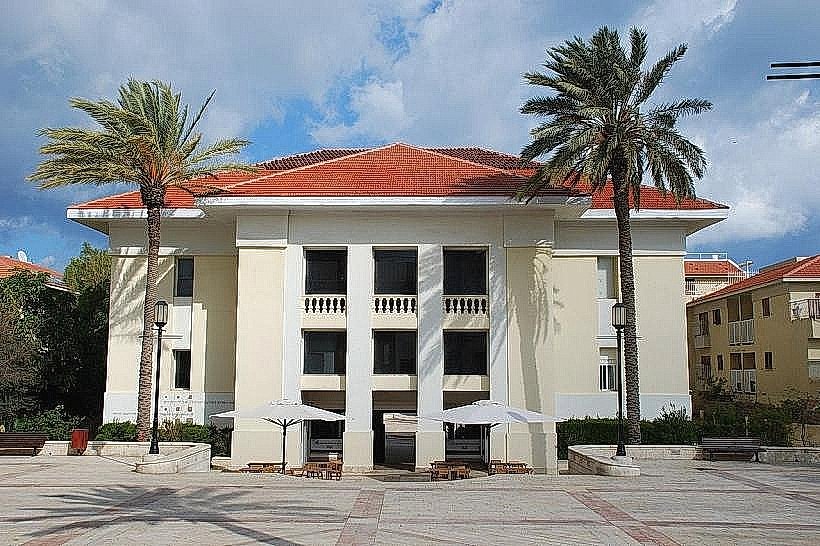
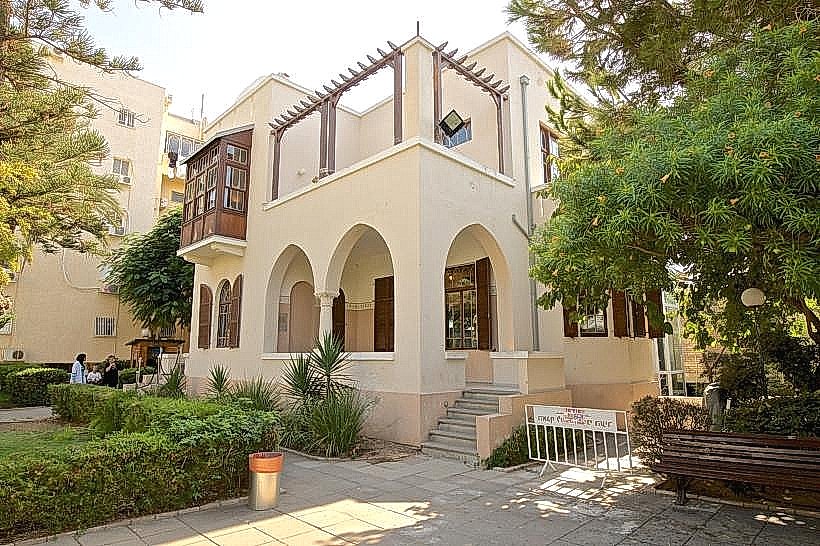
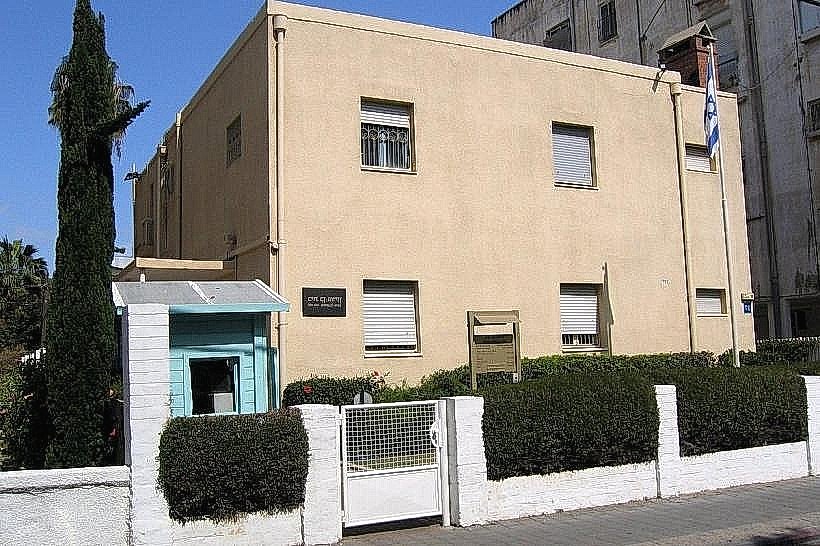
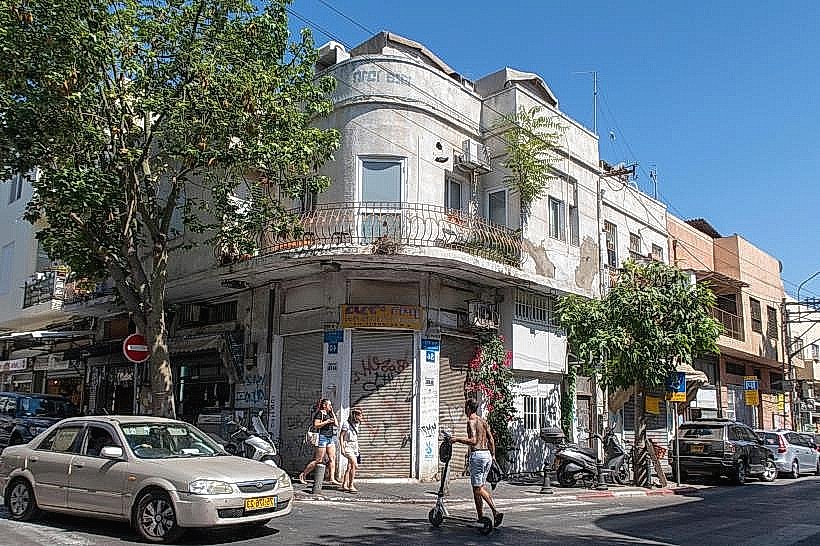
The area is characterized by the White City architectural style, featuring white or light-colored plaster facades, flat roofs, and ribbon windows. Buildings typically maintain a uniform height of three to five stories, often elevated on pilotis (pillars) to allow for air circulation. The landscape includes tree-lined boulevards such as Rothschild Boulevard, paved with gray stone and featuring central pedestrian paths shaded by Ficus and Poinciana trees.
Location & Access Logistics
The district is centered around Rothschild Boulevard and Dizengoff Center, accessible via major arteries including Ibn Gabirol Street and Allenby Street. Public transportation is served by numerous bus routes, including the 1, 2, and 5 lines, and the Red Line light rail which has stations at Yehuda HaLevi. Street parking is strictly regulated and limited; commercial parking garages are located at Dizengoff Center and Habima Square.
Historical & Ecological Origin
Developed primarily in the 1930s and 1940s, the City Center was planned according to the "Garden City" model by Sir Patrick Geddes. It was designed to accommodate the rapid influx of European immigrants, utilizing International Style principles adapted for the Mediterranean climate. In 2003, UNESCO designated this area as a World Heritage site due to its unique concentration of Modernist architecture.
Key Highlights & Activities
Architectural Observation: Guided and self-guided tours of Bauhaus structures are conducted daily, focusing on the preservation of the White City.
Cultural Attendance: The Habima National Theatre and the Bronfman Auditorium host theatrical performances and orchestral concerts.
Boulevard Cycling: Dedicated bike lanes on Rothschild Boulevard allow for north-south transit through the district.
Art Gallery Visits: Numerous private contemporary art galleries are located in the side streets between Gordon and Sheinkin.
Infrastructure & Amenities
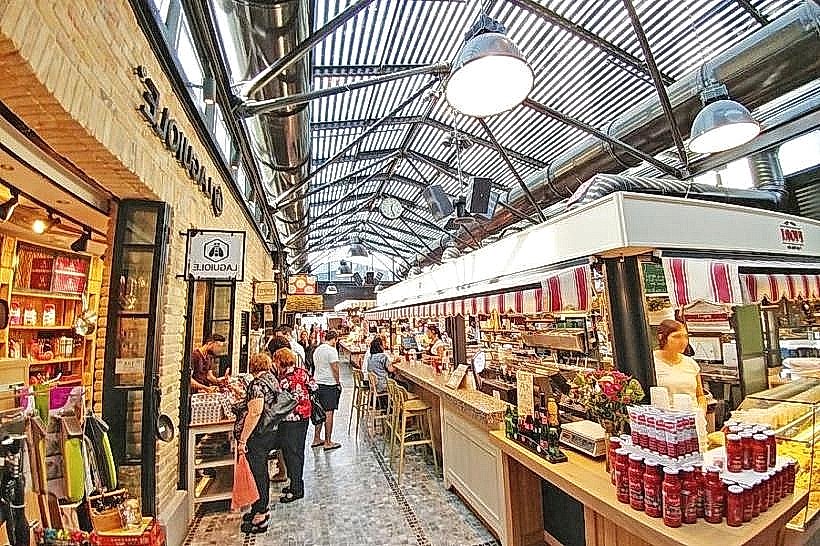
The area features high-density infrastructure with 5G cellular coverage throughout. Public benches and water fountains are situated along the central boulevards. Restrooms are available within Dizengoff Center and Habima Square. The district is heavily populated with high-end restaurants, 24-hour convenience stores, and kiosks. Shade is abundant on the main boulevards due to mature tree canopies.
Best Time to Visit
The best time for architectural photography is during the "Golden Hour," shortly before sunset, when the white facades reflect soft light. Commercial activity is highest from Sunday to Thursday, 09:00 to 19:00. Weather is most temperate for walking between October and May. Friday afternoons see a significant increase in pedestrian traffic before the Sabbath begins.
Facts & Legends
A specific historical oddity is the "Independence Hall" on Rothschild Boulevard, where the State of Israel was declared in 1948; the building was originally the home of Tel Aviv's first mayor. Local lore suggests that the specific orientation of the streets was designed to funnel the sea breeze from the Mediterranean to cool the inland apartments before the advent of air conditioning.
Nearby Landmarks
Dizengoff Square: 0.8km North
Habima Square: 0.2km East
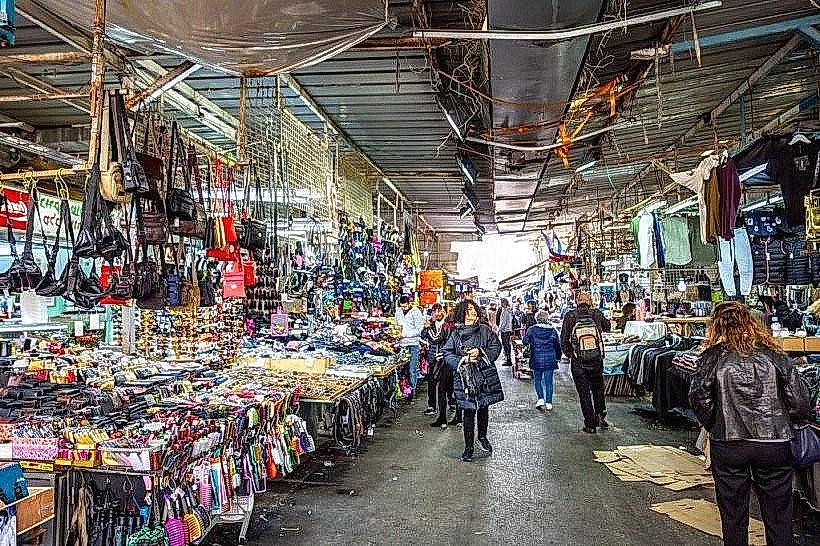
Carmel Market: 0.9km West
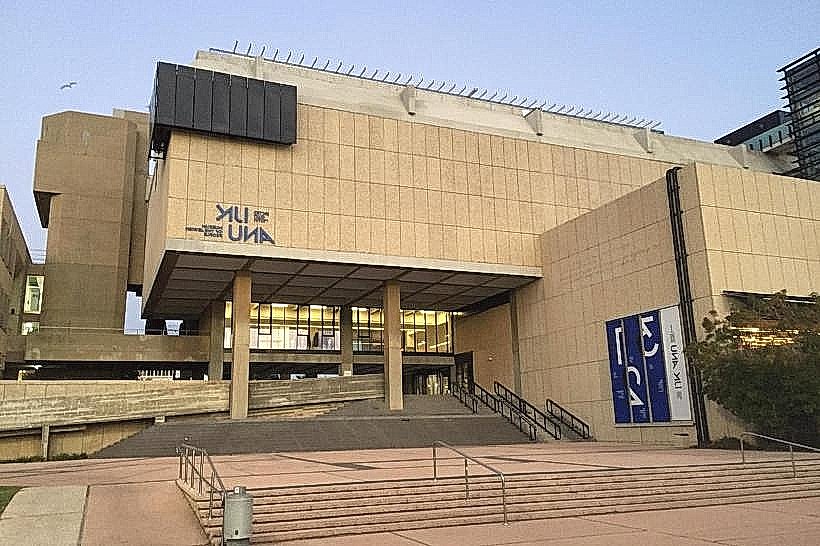
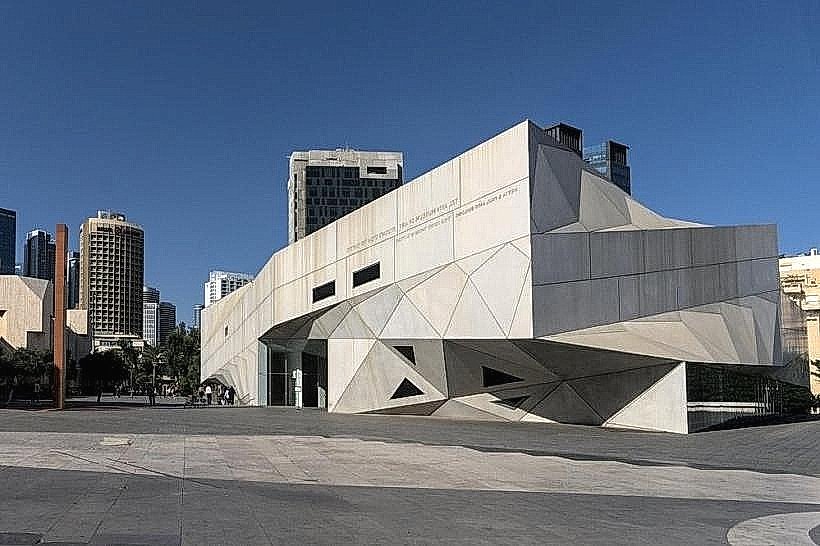
Tel Aviv Museum of Art: 1.2km Northeast
Pagoda House: 0.4km South