Landmark: Eretz Israel Museum
City: Tel Aviv
Country: Israel
Continent: Asia
Eretz Israel Museum, Tel Aviv, Israel, Asia
The Eretz Israel Museum is a multidisciplinary cultural institution and archaeological site located in the Ramat Aviv district of northern Tel Aviv, Israel. It occupies a 20-acre campus centered on the ancient mound of Tell Qasile, an excavated Philistine port settlement.
Visual Characteristics
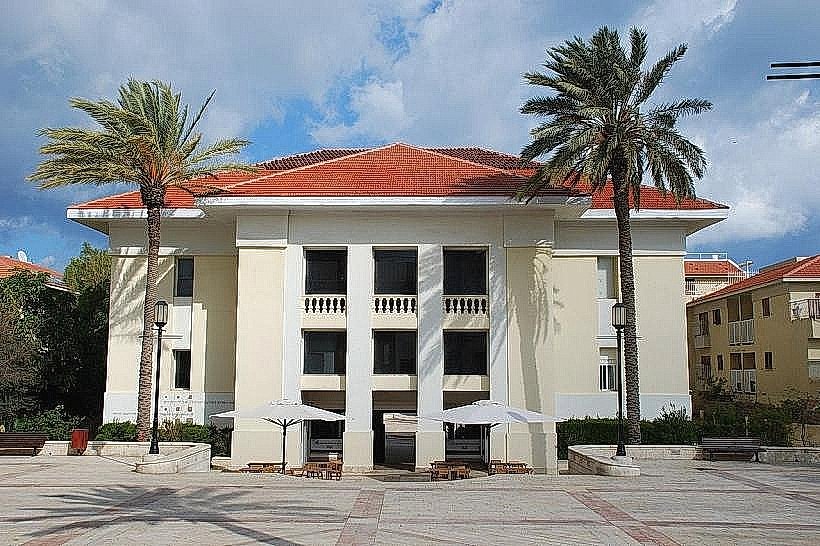
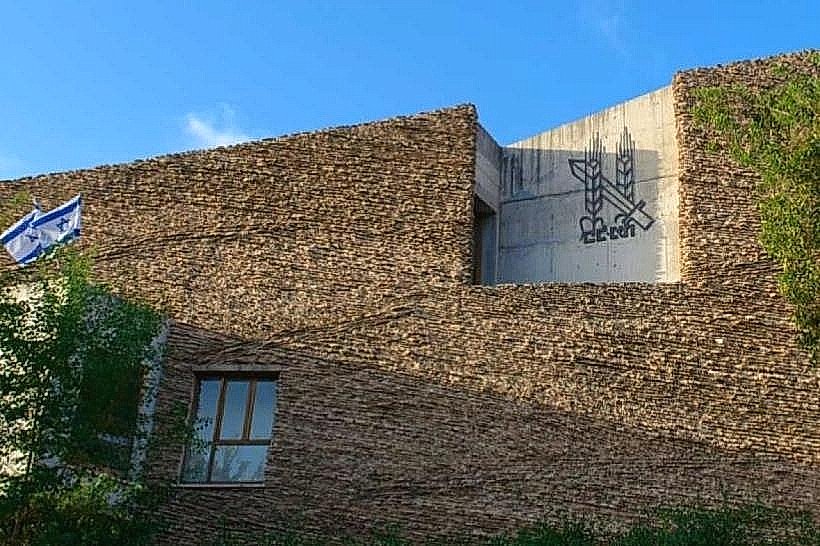
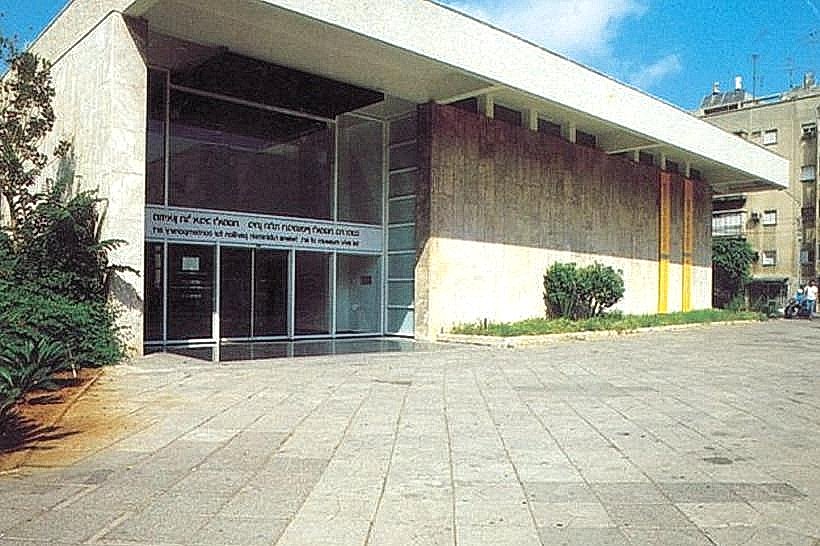
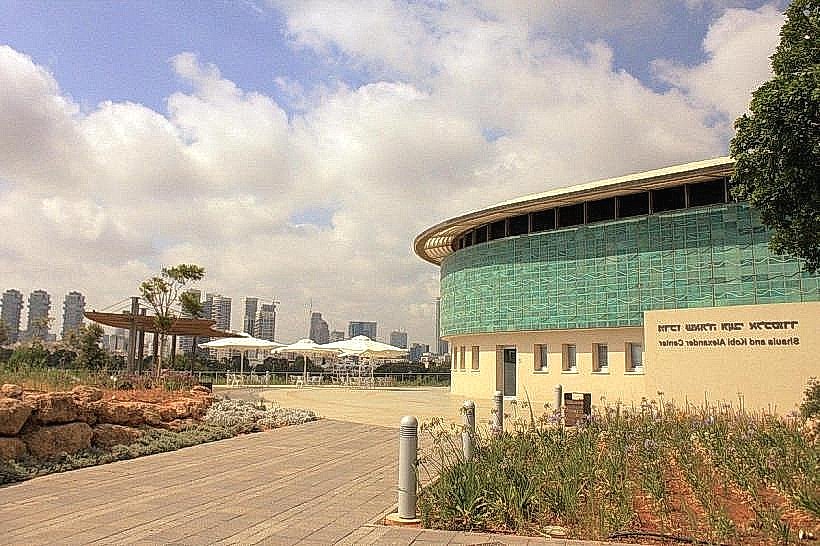
The museum is designed as a series of standalone pavilions distributed across a landscaped park with winding stone pathways. Architectural styles vary by pavilion, featuring mid-century concrete blocks alongside contemporary glass and steel structures. The central archaeological site consists of excavated limestone walls, stratified pits, and exposed foundations of ancient temples. Large-scale outdoor artifacts, including mosaic floors, reconstructed olive presses, and grinding stones, are integrated into the garden landscape.
Location & Access Logistics
The main entrance is situated at 2 Chaim Levanon Street, approximately 0.5km south of Tel Aviv University. Access is provided by several bus lines, including the 7, 24, 25, and 289, which stop at the museum's designated station. For private vehicles, a large municipal parking lot is located at the southern edge of the complex. The site is positioned 1km north of the Yarkon River and can be reached via the Tel Aviv University Railway Station, located 1.2km to the east.
Historical & Ecological Origin
Founded in 1953, the museum was built around the archaeological discoveries at Tell Qasile, where excavations began in 1948. The site contains remnants of a 12th-century BCE Philistine settlement, showcasing twelve distinct layers of historical habitation. Geologically, the museum sits on a kurkar (aeolianite) sandstone ridge, providing a natural elevation overlooking the coastal plain.
Key Highlights & Activities
Archaeological Viewing: Access to the Tell Qasile excavations allows for the inspection of ancient residential layouts and the only Philistine temples ever discovered in situ.
Pavilion Visitation: Specialized halls house permanent collections of ancient glass, ceramics, numismatics, and copper artifacts.
Planetarium Shows: The Alexander Planetarium provides digital astronomical screenings within a specialized dome theater.
Traditional Crafts: The "Man and His Work" section features functional historical workshops, including a working flour mill and pottery studio.
Infrastructure & Amenities
The museum campus features high-density 5G cellular coverage and municipal Wi-Fi throughout. All indoor pavilions are climate-controlled with air conditioning, while outdoor trails are partially shaded by mature trees. Public restrooms are located in the main entrance hall and within each individual pavilion. A cafe and gift shop are situated at the southern end of the park near the entrance.
Best Time to Visit
The museum is open Sunday through Wednesday from 10:00 to 16:00, Thursday from 10:00 to 20:00, and Friday to Saturday from 10:00 to 14:00. Morning hours (10:00–12:00) provide optimal natural lighting for observing the outdoor archaeological pits and garden mosaics. Extended Thursday evening hours are most suitable for avoiding high midday temperatures in the summer.
Facts & Legends
A verified historical oddity is that the Tell Qasile excavation was the first archaeological dig officially sanctioned by the State of Israel following its establishment in 1948. A local "secret" tip for visitors is the upper observation deck of the main building, which provides an unobstructed panoramic view of the Tel Aviv Port and the northern skyline, a vantage point often bypassed by those remaining in the pavilions.
Nearby Landmarks
Tel Aviv University: 0.5km North
Yarkon Park: 1.0km South
ANU - Museum of the Jewish People: 0.6km Northeast
Steinhardt Museum of Natural History: 0.8km Northeast
Ramat Aviv Mall: 0.9km Northwest