Landmark: Chugach State Park
City: Anchorage
Country: USA Alaska
Continent: North America
Chugach State Park, Anchorage, USA Alaska, North America
Chugach State Park is a protected area situated adjacent to Anchorage, Alaska, USA. It encompasses a significant portion of the Chugach Mountains.
Visual Characteristics
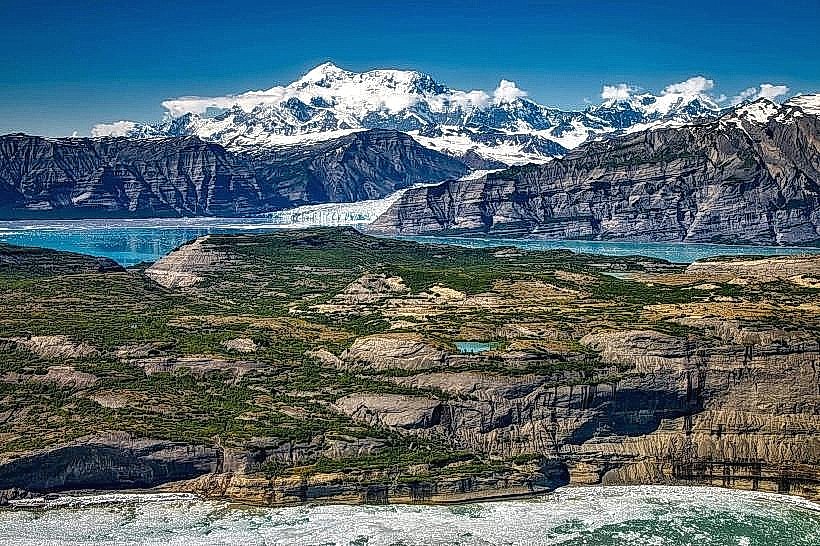
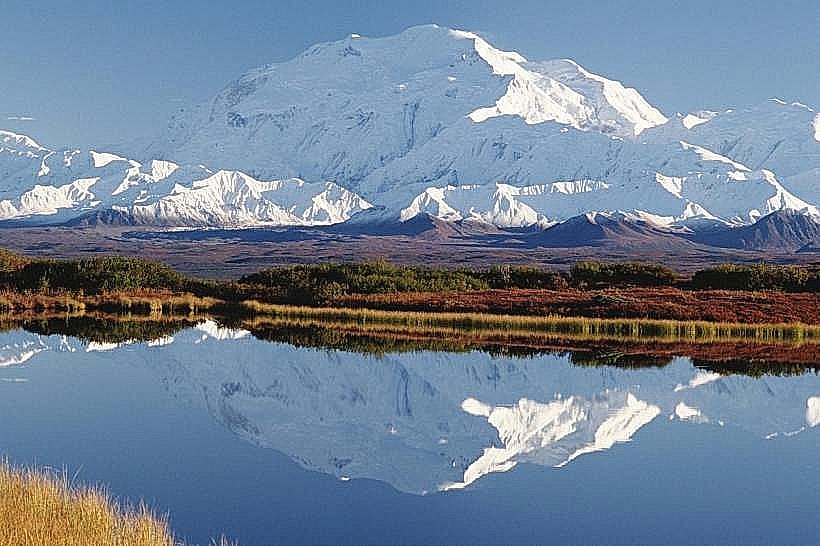
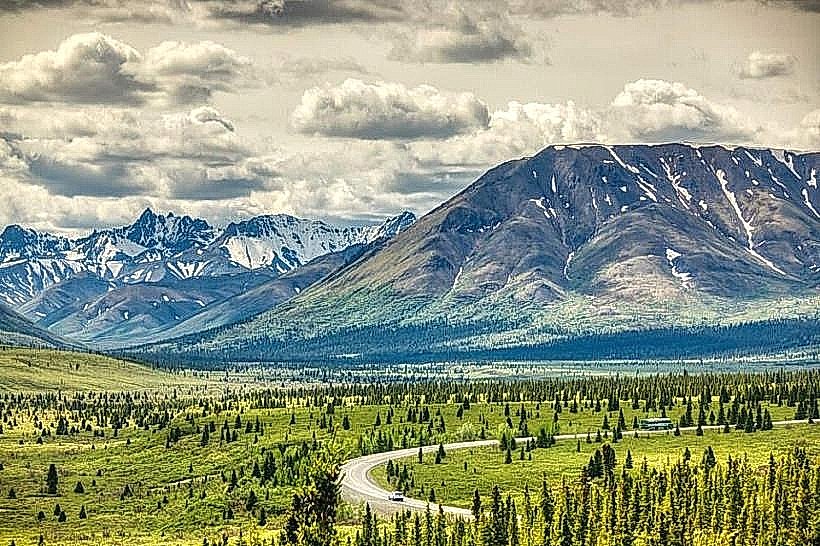
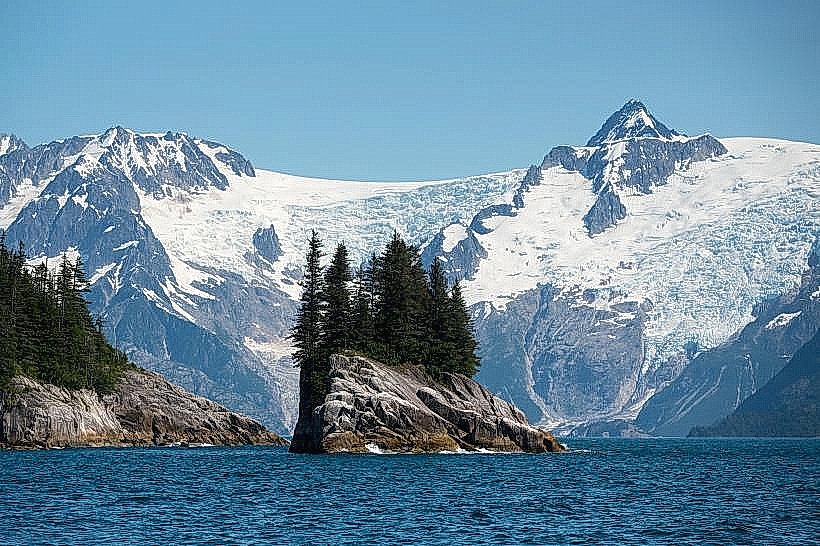
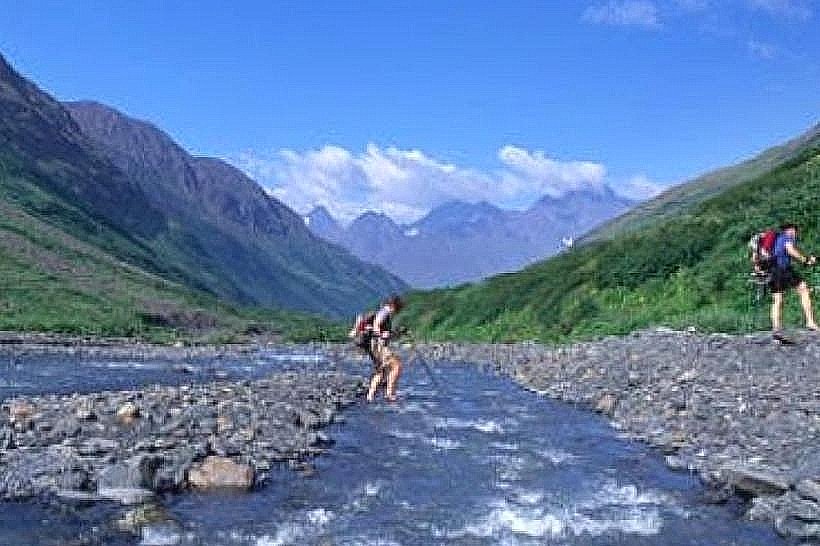
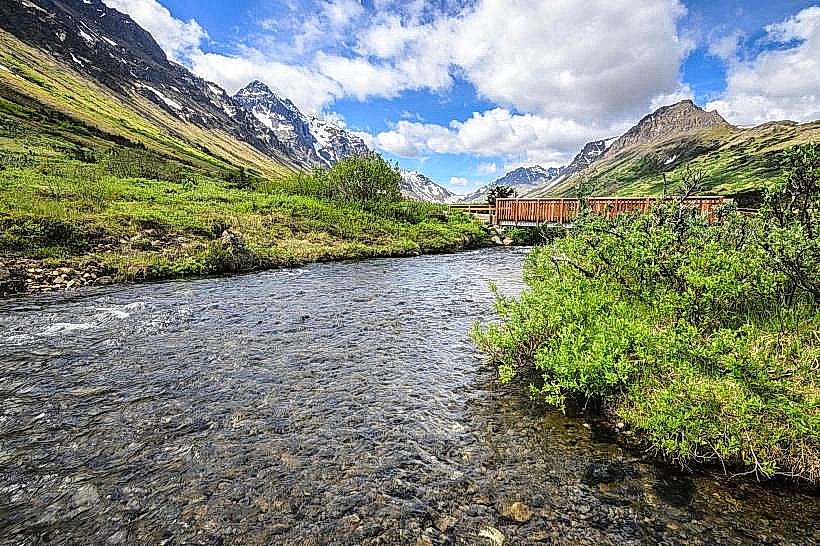
The park features rugged mountain terrain with elevations reaching over 8,000 feet. Vegetation varies from dense boreal forest at lower elevations, dominated by white spruce and birch, to alpine tundra and bare rock at higher altitudes. Glacial features, including cirques and U-shaped valleys, are present. Several rivers and streams, often glacial-fed and exhibiting a milky grey color, flow through the park. Snowpack is common at higher elevations year-round.
Location & Access Logistics
Chugach State Park is directly east of Anchorage. Access is primarily via the Seward Highway (AK-1) and the Glenn Highway (AK-1). The park entrance is approximately 15 miles from downtown Anchorage. Multiple parking areas are available at trailheads and scenic overlooks, including the popular Glen Alps Trailhead, which serves as a primary access point for hiking. Public transportation options directly into the park are limited; the People Mover bus system serves areas near the park's periphery, requiring further travel by foot or private vehicle.
Historical & Ecological Origin
Chugach State Park was established in 1970. Its geological origin is tied to the collision of tectonic plates and subsequent glacial erosion. The area is part of the Chugach Mountains, which are a subrange of the Saint Elias Mountains. Ecologically, it represents a transition zone between coastal and interior Alaskan environments, supporting a diverse range of flora and fauna adapted to subarctic conditions.
Key Highlights & Activities
Hiking is a primary activity, with over 200 miles of trails. Specific trails include the Flattop Mountain Trail (moderate, 3.3 miles roundtrip), the Williwaw Lakes Trail (challenging, 10 miles roundtrip), and the South Fork Eagle River Trail (easy, 4 miles roundtrip). Wildlife viewing opportunities exist for moose, Dall sheep, bears, and various bird species. Rock climbing is possible in designated areas. During winter, cross-country skiing and snowshoeing are popular.
Infrastructure & Amenities
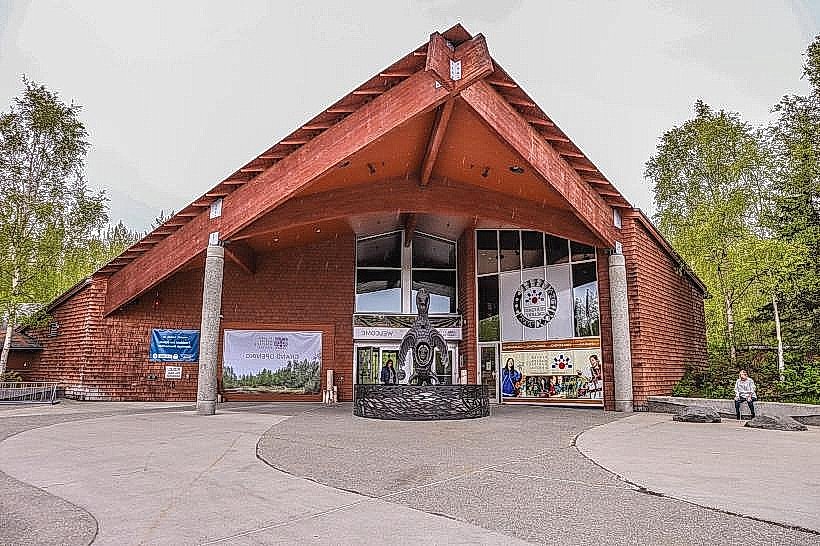
Restrooms are available at major trailheads like Glen Alps and Eagle River Nature Center. Some areas offer picnic tables and shelters. Cell phone signal is intermittent and generally unreliable within the park's interior. There are no food vendors within the park boundaries; visitors should bring their own supplies. The Eagle River Nature Center provides educational exhibits and limited facilities.
Best Time to Visit
The best months for hiking are typically from late May through September, when snow has receded from most trails. For photography, early morning and late evening light offer optimal conditions for illuminating the mountain landscapes. Wildlife viewing is often more active during dawn and dusk. Winter activities are best from December through March, dependent on snow conditions.
Facts & Legends
A notable geological feature is the presence of permafrost, which influences soil stability and vegetation patterns. The park is home to the largest population of Dall sheep in Alaska. A local legend speaks of the "Chugach Giant," a mythical creature said to inhabit the highest peaks, though no verifiable evidence supports this.
Nearby Landmarks
- Eagle River Nature Center (0.5km North)
- Eklutna Historical Park (15km Northeast)
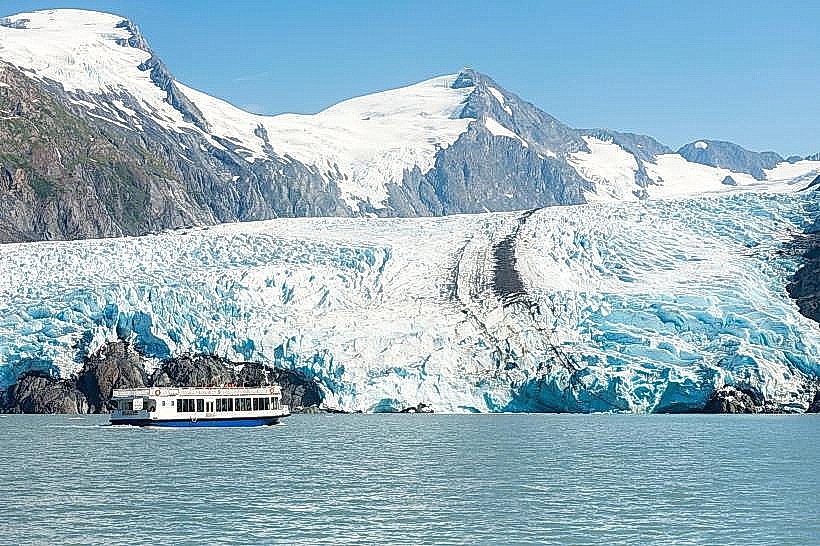
- Portage Glacier (60km South)
- Alyeska Resort (65km South)
- Anchorage Museum (20km Southwest)