Landmark: Turnagain Arm & Beluga Point Lookout
City: Anchorage
Country: USA Alaska
Continent: North America
Turnagain Arm & Beluga Point Lookout, Anchorage, USA Alaska, North America
Turnagain Arm is a 50-mile long inlet of the northern Gulf of Alaska, situated south of Anchorage, Alaska. Beluga Point Lookout is a specific viewpoint along its northern shore.
Visual Characteristics
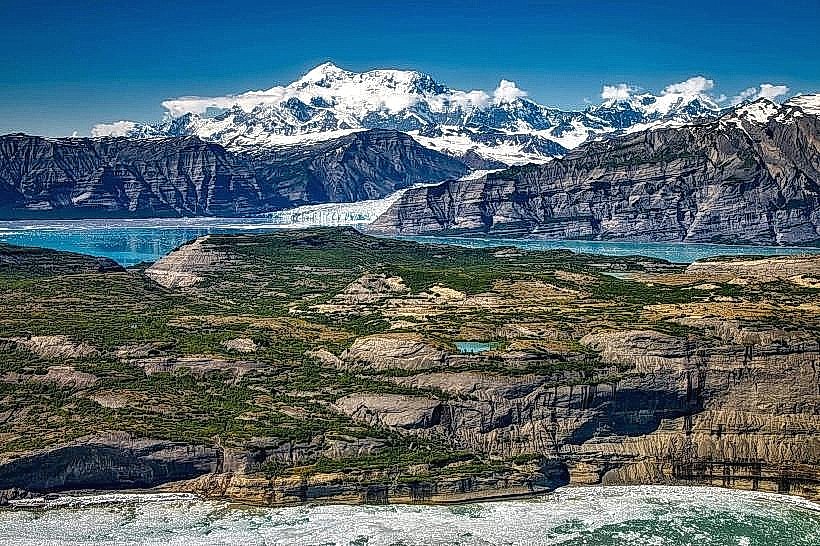
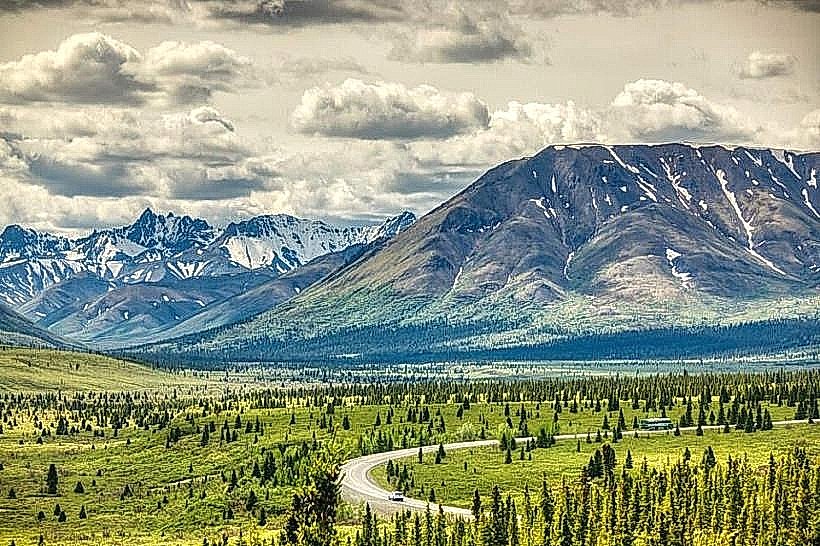
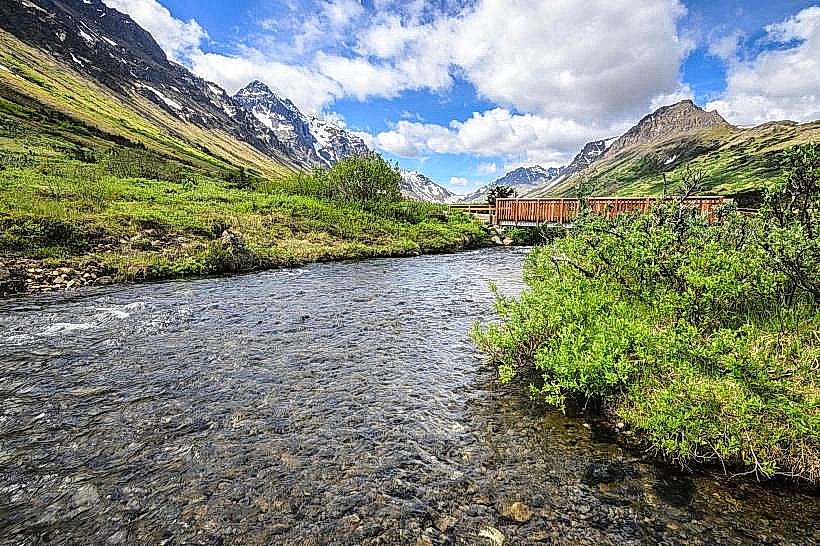
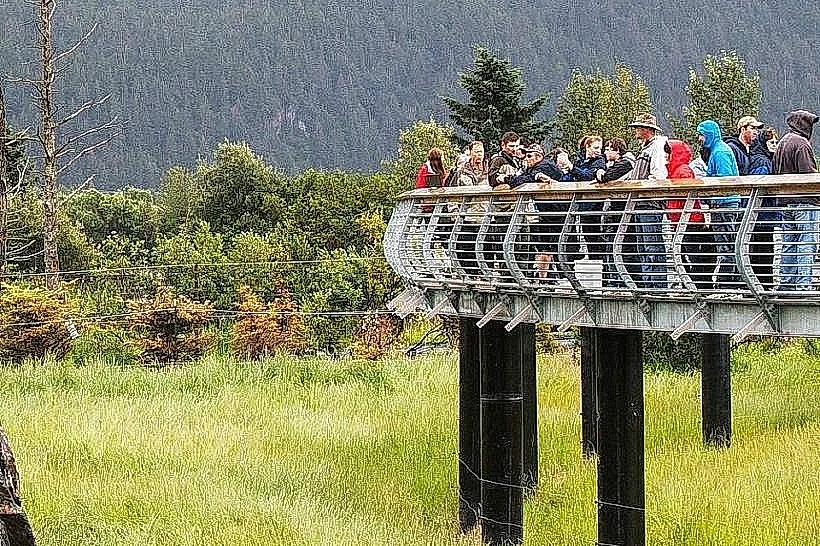
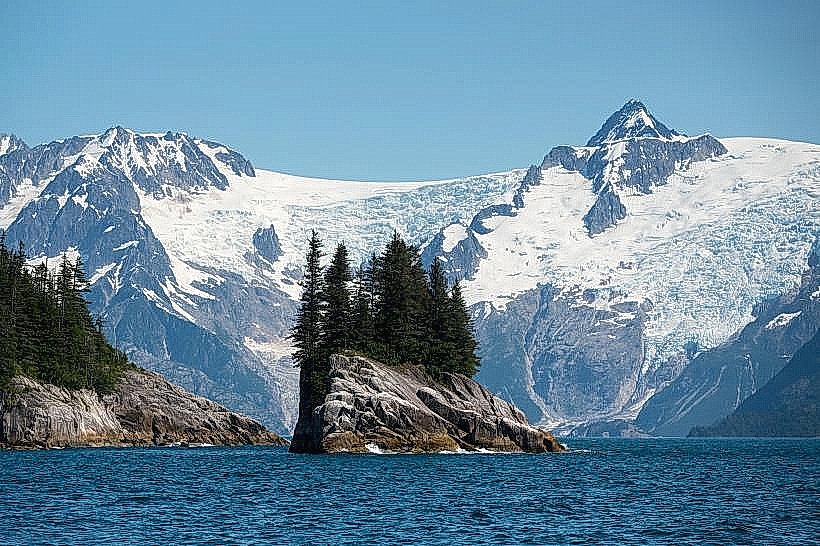
Turnagain Arm is characterized by steep, glacially carved mountainsides that drop directly into the water. The water itself is a silty grey-brown due to glacial flour. Tidal flats are extensive, exposing large areas of mud and gravel at low tide. Beluga Point Lookout is a paved, elevated platform offering unobstructed views of the arm and surrounding mountains. Vegetation consists of low-lying tundra and scattered spruce trees on the slopes.
Location & Access Logistics
Beluga Point Lookout is located 12 miles south of downtown Anchorage along the Seward Highway (AK-1). The turnoff is clearly marked. Ample paved parking is available at the lookout. No public transport directly serves Beluga Point Lookout; access is primarily by private vehicle.
Historical & Ecological Origin
Turnagain Arm was carved by glaciers during the Pleistocene epoch. It is named after Captain James Cook's expedition in 1778, who, upon realizing the arm led to a dead end, famously turned again. The area is a significant habitat for marine mammals, including harbor seals and beluga whales, which are often sighted in the waters.
Key Highlights & Activities
Observation of tidal bores, which are waves that travel up the arm against the tide. Wildlife viewing, particularly beluga whales and Dall's porpoises, is common during specific seasons. Photography of the dramatic landscape and potential wildlife encounters. Birdwatching is also possible.
Infrastructure & Amenities
Beluga Point Lookout provides paved parking and interpretive signage. Restrooms are not permanently available at the immediate lookout site but may be found at larger rest stops further along the Seward Highway. Cell phone signal (4G/5G) is generally available. No food vendors are present at the lookout; provisions should be obtained in Anchorage.
Best Time to Visit
For beluga whale sightings, the months of May through July are most productive, particularly during slack tide. The tidal bore is most pronounced during spring tides, which occur around the new and full moons. Mid-morning and late afternoon offer favorable lighting conditions for photography due to the angle of the sun.
Facts & Legends
The extreme tidal range in Turnagain Arm, often exceeding 30 feet, is one of the largest in the world. This significant tidal fluctuation is responsible for the formation of the tidal bore. Local lore suggests that the spirits of ancient peoples can be seen in the mist rising from the water during certain tidal conditions.
Nearby Landmarks
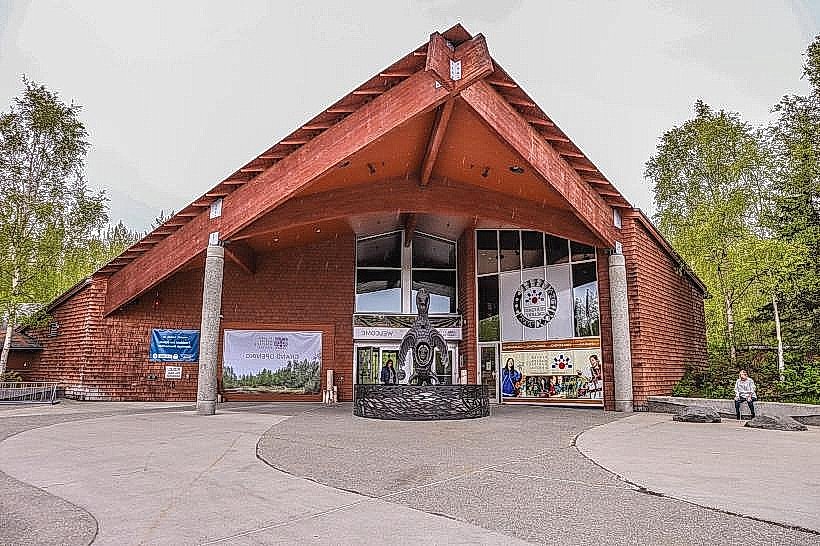
- Alaska Wildlife Conservation Center (15km South)
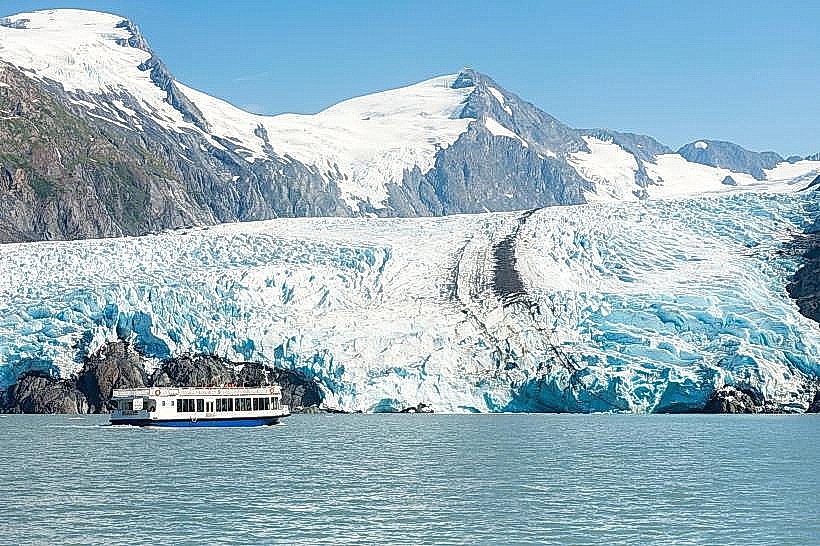
- Portage Glacier (25km South)
- McHugh Creek Trailhead (2km South)
- Bird Creek Campground (4km South)