Landmark: Kenai Fjords National Park
City: Anchorage
Country: USA Alaska
Continent: North America
Kenai Fjords National Park, Anchorage, USA Alaska, North America
Kenai Fjords National Park is a protected area located in south-central Alaska, USA, accessible from the city of Seward.
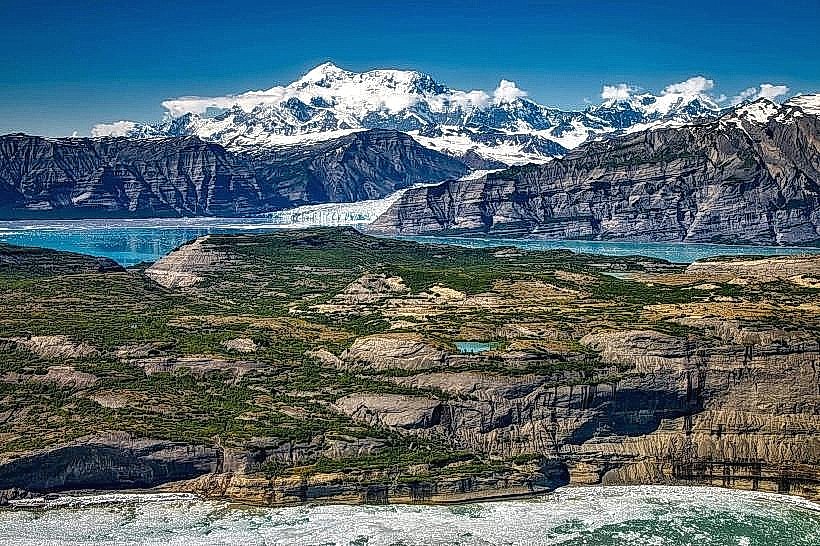
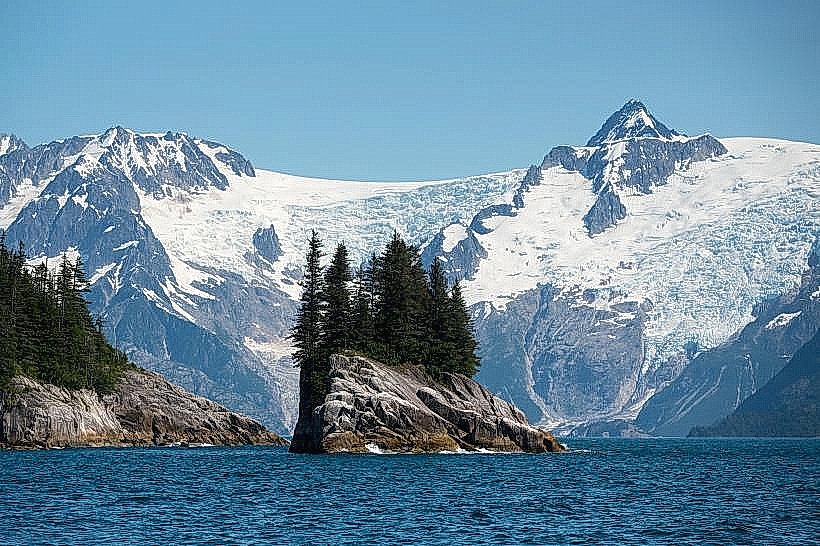
The park encompasses a diverse landscape of tidewater glaciers, fjords, and coastal mountains.
Visual Characteristics
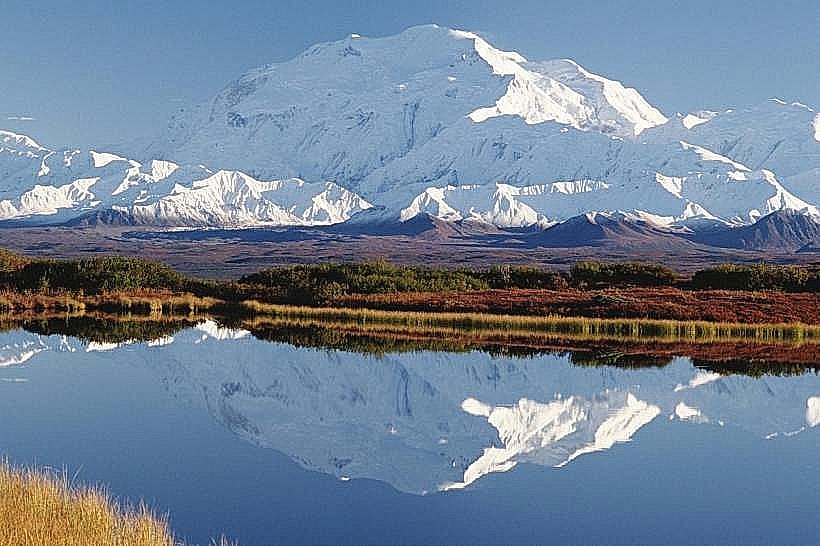
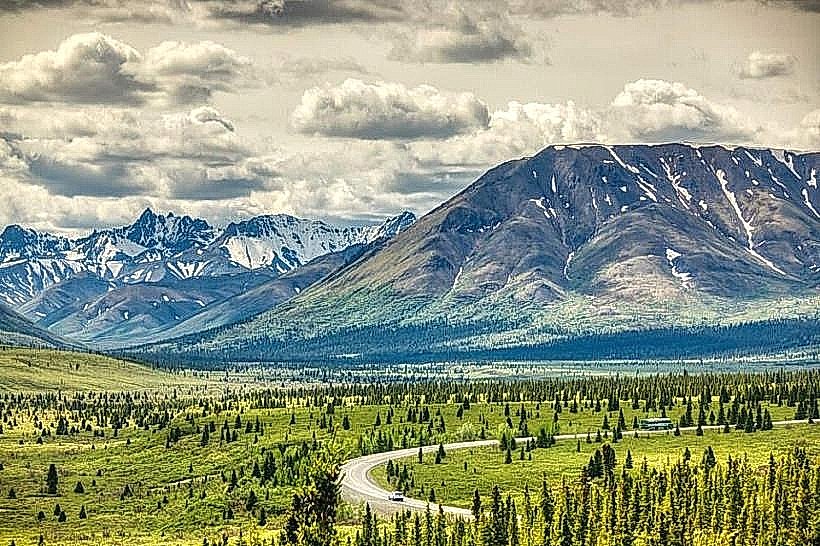
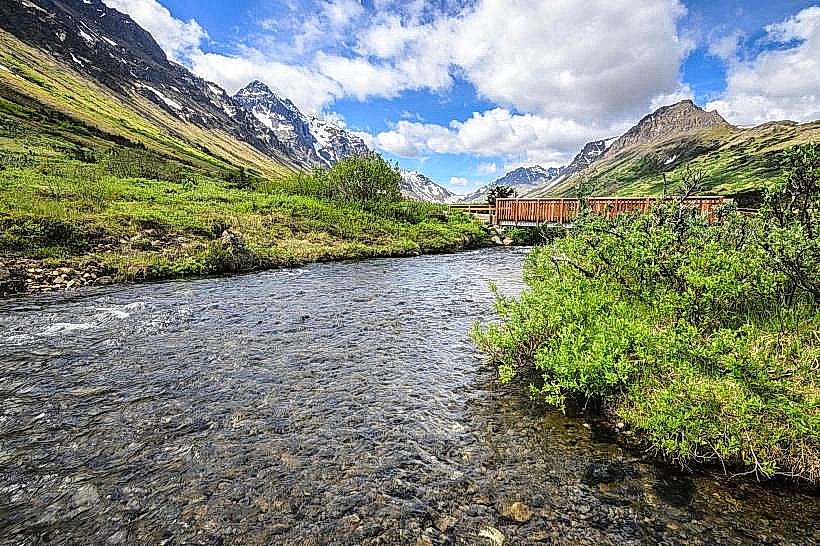
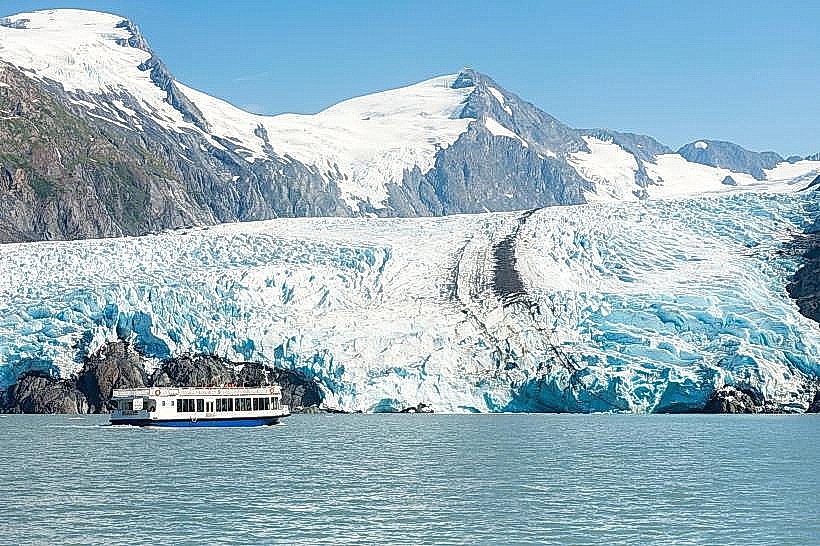
The park features active tidewater glaciers, such as Exit Glacier, which calve icebergs into glacial lakes and fjords. The fjords themselves are deep, glacially carved valleys filled with seawater. The coastline is characterized by rocky shores and dense temperate rainforest vegetation, primarily Sitka spruce and western hemlock. Mountainous terrain dominates the interior, with exposed rock faces and snowfields at higher elevations.
Location & Access Logistics
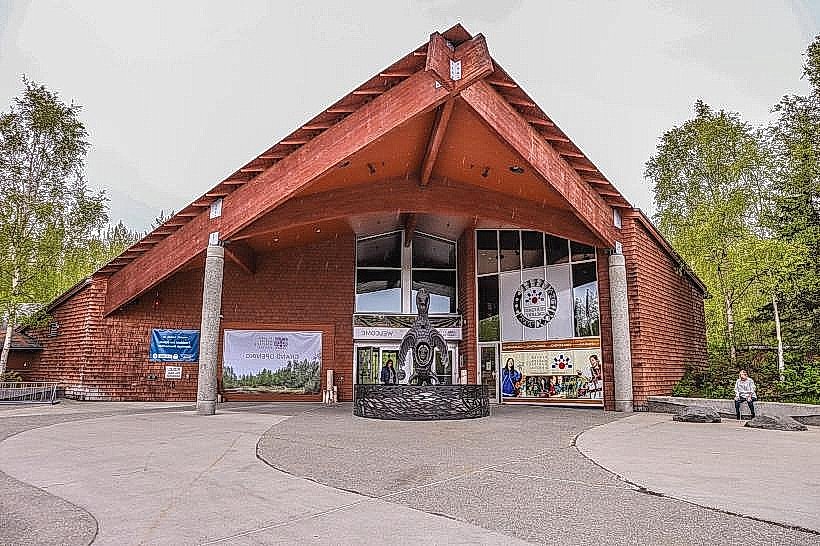
Kenai Fjords National Park is situated adjacent to Seward, Alaska. From Anchorage, the park is approximately a 2.5 to 3-hour drive south via the Seward Highway (AK-1 S). Seward is the primary gateway town. Within Seward, the Alaska Railroad offers passenger service from Anchorage to Seward, a journey of about 4 hours. The park's primary visitor center and the trailhead for Exit Glacier are located about 15 miles west of Seward on Herman Leirer Road. Parking is available at the Exit Glacier area. Boat tours depart from the Seward Small Boat Harbor, offering access to the fjords and marine wildlife.
Historical & Ecological Origin
The park's landscape was shaped by glacial activity during the Pleistocene epoch. The Harding Icefield, one of the largest icefields in the United States, is the source of the park's numerous glaciers. The fjords were carved by the erosive power of glaciers advancing into the sea. Ecologically, the park is classified as a temperate rainforest and a marine ecosystem, supporting a wide array of wildlife adapted to these environments.
Key Highlights & Activities
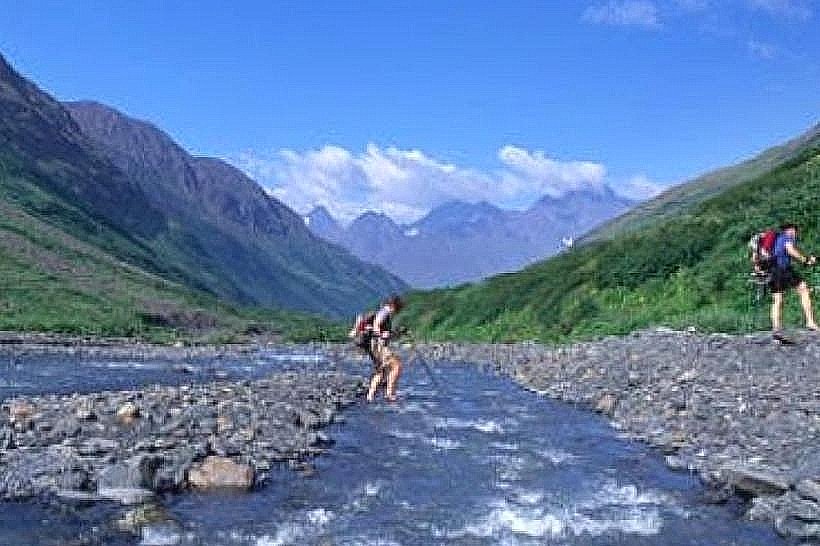
Activities include hiking the trails at Exit Glacier, such as the Glacier Overlook Trail and the Harding Icefield Trail. Boat tours provide opportunities for wildlife viewing, including whales, sea otters, puffins, and seals, and offer close-up views of tidewater glaciers. Kayaking is possible in designated areas of the fjords. Ranger-led programs are offered seasonally.
Infrastructure & Amenities
Restrooms are available at the Exit Glacier area and at the Seward Ranger Station. Limited shade is available along some hiking trails. Cell phone signal is intermittent within the park, particularly in the fjords. Food vendors and restaurants are located in Seward, but not within the immediate park boundaries.
Best Time to Visit
The primary visitor season is from late May to early September. For optimal glacier viewing and hiking conditions, June through August is recommended. Wildlife viewing is generally good throughout the summer. Boat tours operate during daylight hours. High tide is not a critical factor for most park access, but can influence shoreline exploration.
Facts & Legends
The Harding Icefield covers approximately 300 square miles. A unique geological feature is the presence of ice caves formed within some of the glaciers, though access is restricted due to safety concerns. Local indigenous legends speak of the powerful spirits residing within the glaciers and the sea.
Nearby Landmarks
- Seward Small Boat Harbor (0.5km East)
- Resurrection Bay State Marine Park (1km East)
- Alaska SeaLife Center (1.5km East)
- Mount Marathon (2km West)
- Chugach National Forest (Adjacent, North and East)