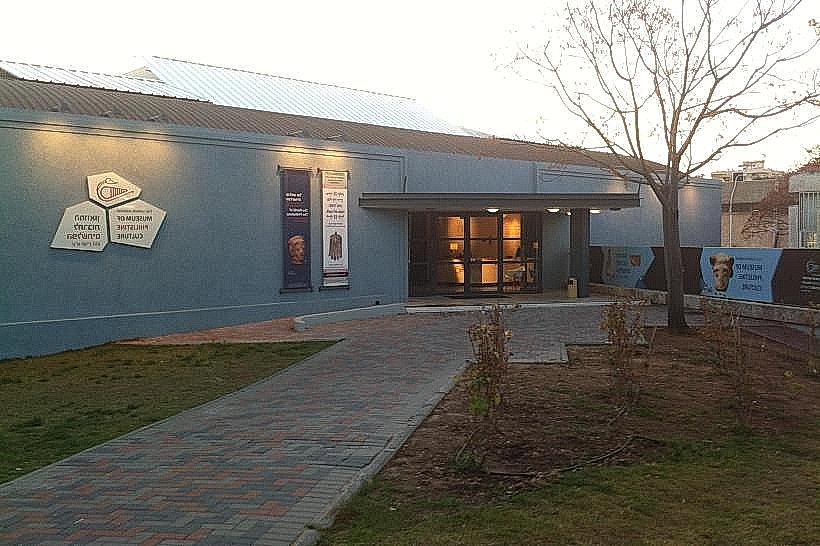
Landmark: Corinne Mamane Museum of Philistine Culture
City: Ashdod
Country: Israel
Continent: Asia
Corinne Mamane Museum of Philistine Culture, Ashdod, Israel, Asia
The Corinne Mamane Museum of Philistine Culture is an archaeological institution located in the city of Ashdod dedicated to the history of the Philistine people. It is the only museum in the world exclusively focused on this ancient Aegean-linked culture that inhabited the southern coast of Israel.
Visual Characteristics
The museum is housed in a two-story building covering approximately 800 square meters, featuring a modern architectural design following a 2013 renovation. The interior utilizes a deep blue color palette to represent the Aegean Sea origins of the Philistines, contrasted with white Corian podiums shaped like archaeological sherds. The lower level includes a reconstructed hall featuring ornamental motifs from Mycenaean architecture.
Location & Access Logistics
The museum is located at 16 HaShayatim Street in the Rova Dalet (Quarter 4) district of Ashdod. It is accessible via Highway 4 by exiting at the Ashdod interchange and proceeding toward the city center. Public transport users can take bus lines 2, 5, or 11 from the Ashdod Ad Halom railway station. Street parking is available in the surrounding residential neighborhood, and the site is adjacent to the Makif Gimmel school.
Historical & Ecological Origin
Established in 1990, it was the first museum to open in Ashdod and is named in memory of Corinne Mamane, a Jewish student from Morocco who died in 1984. The permanent exhibition, "The World of the Philistines," was curated to showcase artifacts from the Iron Age when Ashdod served as one of the five major Philistine pentapolis cities. The building underwent a significant structural and conceptual redesign in 2013 by architect Gil Minster.
Key Highlights & Activities
Visitors can engage with an interactive multi-media table that simulates the process of archaeological excavation and vessel reconstruction. The museum offers cultural activities where guests can try on ancient-style clothing and participate in "Philistine Banquets" to taste dishes inspired by ancient Aegean cuisine. The permanent collection includes approximately 140 archaeological exhibits, including pottery, figurines, and tools.
Infrastructure & Amenities
The facility includes a modern entrance hall, an information and ticket counter, and staff offices. The underground floor houses a multi-functional space for educational role-playing and workshops. The building is fully air-conditioned, equipped with 5G cellular signal, and features public restrooms. The museum is designed with accessibility ramps and elevators for wheelchair users.
Best Time to Visit
The museum is best visited during morning hours when guided tours and educational workshops are most frequent. It is an ideal indoor destination during the peak summer heat (July–August) or rainy winter days. Photography is permitted in the galleries, and the artificial lighting is specifically designed to highlight the archaeological textures of the displays.
Facts & Legends
A unique feature of the museum is its focus on "Philistine food culture," which seeks to debunk the modern "philistine" pejorative by highlighting the advanced culinary and artistic skills of the ancient society. The museum serves as a cultural bridge, connecting the modern city of Ashdod to its ancient biblical predecessor.
Nearby Landmarks
Yud-Alef Stadium – 0.9km North
Ashdod Sea Park – 1.4km West
Ashdod MonArt Arts Centre – 2.2km Northwest
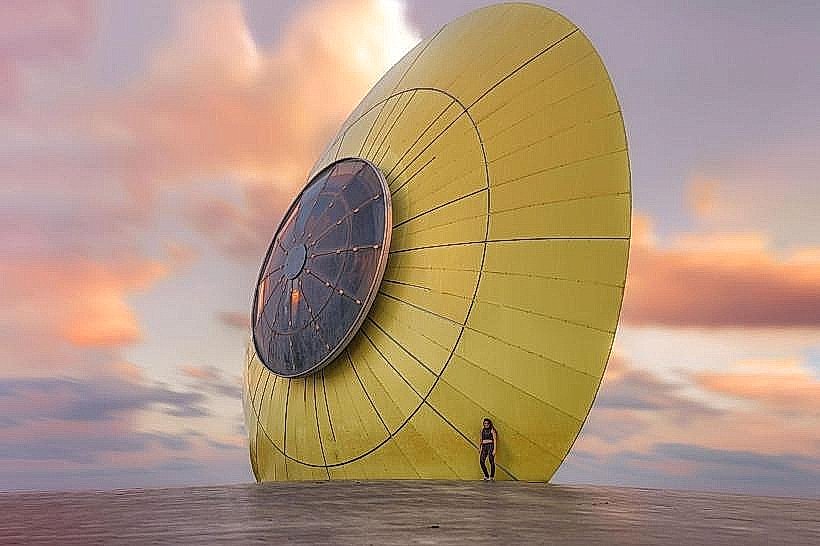
Eye of the Sun Sculpture – 4.8km South
Lido Beach – 1.8km West