Landmark: Dakar Railway Station
City: Dakar
Country: Senegal
Continent: Africa
Dakar Railway Station, Dakar, Senegal, Africa
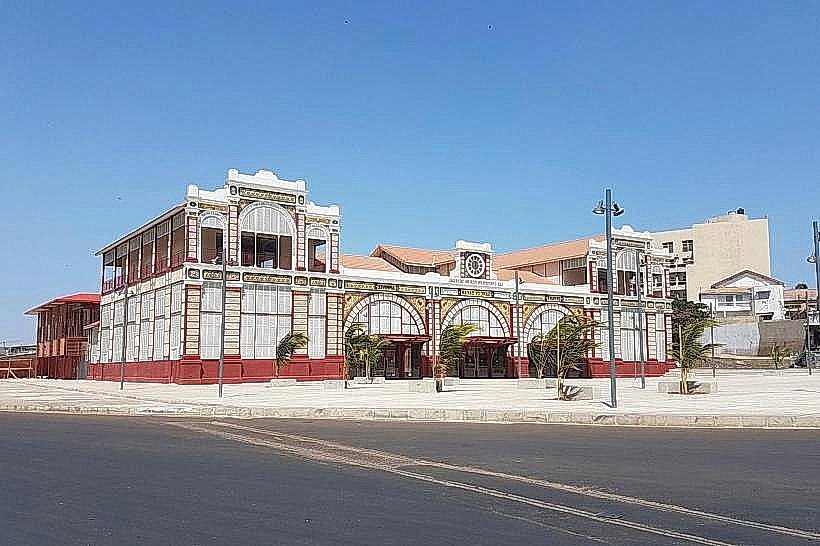
The Dakar Railway Station is a historic transport terminus located at the Place de Tirailleurs in the Plateau district of Dakar, Senegal. It serves as the primary coastal gateway for the national rail network and the southern terminus for the Regional Express Train (TER).
Visual Characteristics
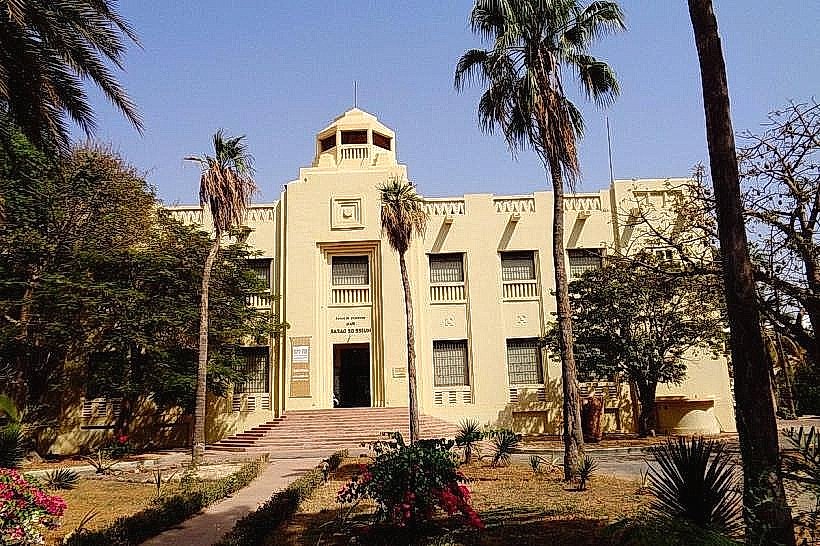
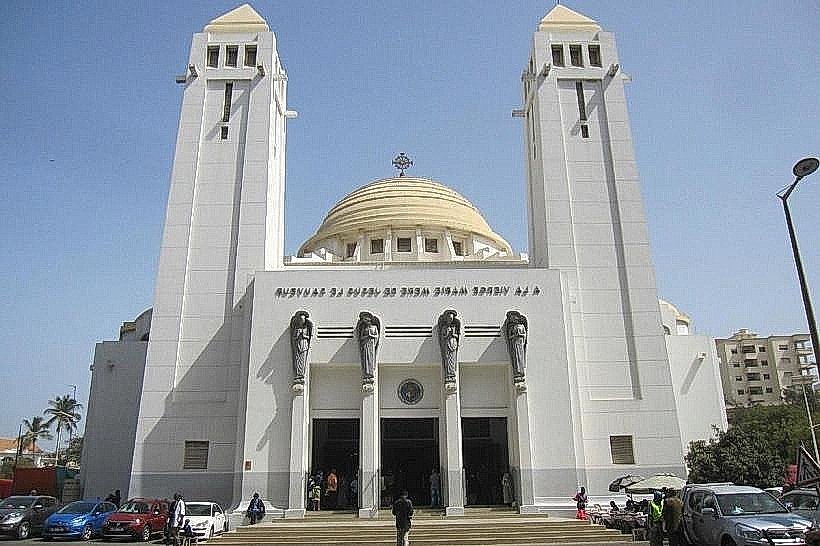
The building exhibits a colonial neo-Mauresque architectural style, characterized by a white facade, arched doorways, and intricate geometric tiling. The central structure features a large clock face integrated into the upper masonry and a wide, red-tiled overhanging roof supported by white pillars. The interior passenger hall is defined by high ceilings, polished stone flooring, and expansive ironwork framing the platform entrances.
Location & Access Logistics
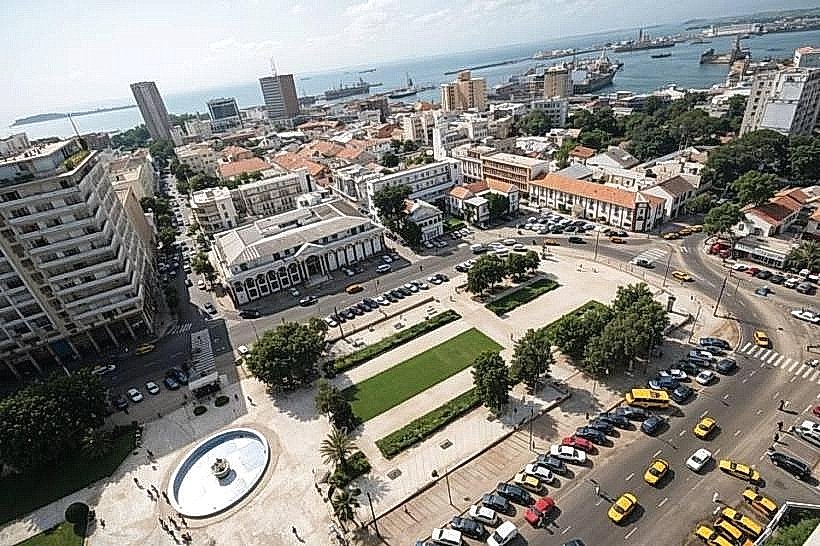
The station is situated at the northern edge of the Plateau district, approximately 0.5km from the Port of Dakar. Primary vehicular access is via Boulevard de la Libération or Avenue du Président Lamine Guèye. Public transport options include numerous Dakar Dem Dikk bus lines (1, 12, 15) and the Regional Express Train (TER), which connects the station to Diamniadio. Taxis provide drop-off services directly at the main entrance plaza; limited short-term parking is available in the adjacent lot.
Historical & Ecological Origin
The original station was constructed in 1914 during the French colonial administration to serve as the terminus for the Dakar-Saint-Louis and Dakar-Niger railways. It was designed by architects of the Chemins de Fer de l'Afrique Occidentale Française to facilitate the transport of groundnuts and colonial goods. Between 2016 and 2019, the structure underwent a comprehensive restoration and modernization to accommodate the high-speed TER infrastructure.
Key Highlights & Activities
The facility operates primarily as a transit hub for daily commuters and travelers. Visitors can observe the integration of 20th-century colonial architecture with 21st-century rail technology on the modernized platforms. Ticket purchasing via automated kiosks or manned counters is the standard procedure for passengers. Photography is generally permitted in the public concourse and the exterior plaza, though restricted near security checkpoints.
Infrastructure & Amenities
The station includes a modernized passenger lounge, digital departure boards, and a centralized security screening area. Public restrooms are located within the terminal for ticket holders. 4G and 5G cellular coverage is consistent throughout the building. Food and beverage options include small kiosks inside the hall and numerous cafes and vendors within a 200-meter radius in the Plateau district.
Best Time to Visit
Operational hours correspond with the TER schedule, typically from 05:00 to 22:00. For architectural photography, the early morning (07:30 to 09:00) provides direct sunlight on the main facade. The station is most congested during morning and evening rush hours (07:30–09:30 and 16:30–18:30); mid-day visits offer a quieter environment for viewing the interior details.
Facts & Legends
A verified historical oddity is that the station was the starting point for the 1947-1948 railway strike, a pivotal event in the West African labor movement and the struggle for independence. Local lore suggests the station's clocks were historically synchronized with the Port of Dakar's bells to ensure maritime and rail schedules remained perfectly aligned for international trade.
Nearby Landmarks
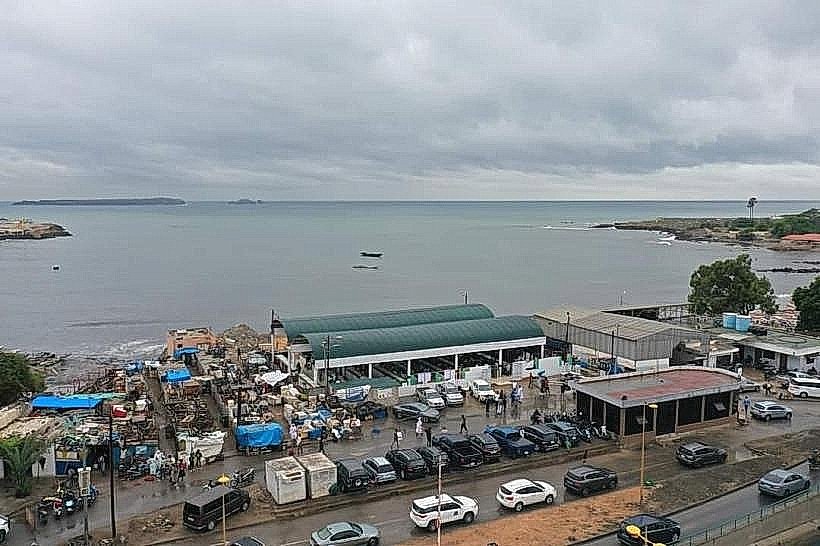
Port of Dakar: 0.4km East
Place de l'Indépendance: 0.7km South
IFAN Museum of African Arts: 1.1km Southwest
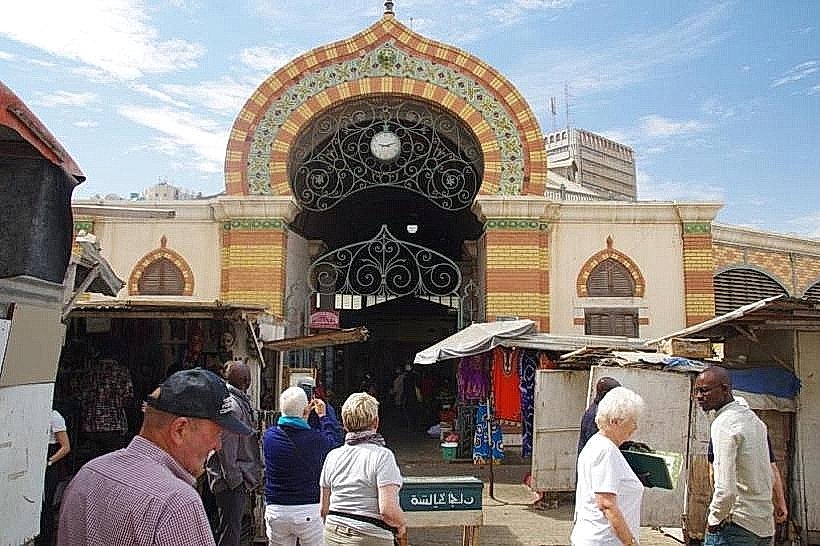
Marché Kermel: 0.6km Southeast
Dakar City Hall: 0.5km Southeast