Landmark: Dashashwamedh Ghat
City: Varanasi
Country: India
Continent: Asia
Dashashwamedh Ghat, Varanasi, India, Asia
Dashashwamedh Ghat is a prominent ghat located on the western bank of the Ganges River in Varanasi, India.
It is one of the oldest and most active ghats in the city, serving as a central point for religious and cultural activities.
Visual Characteristics
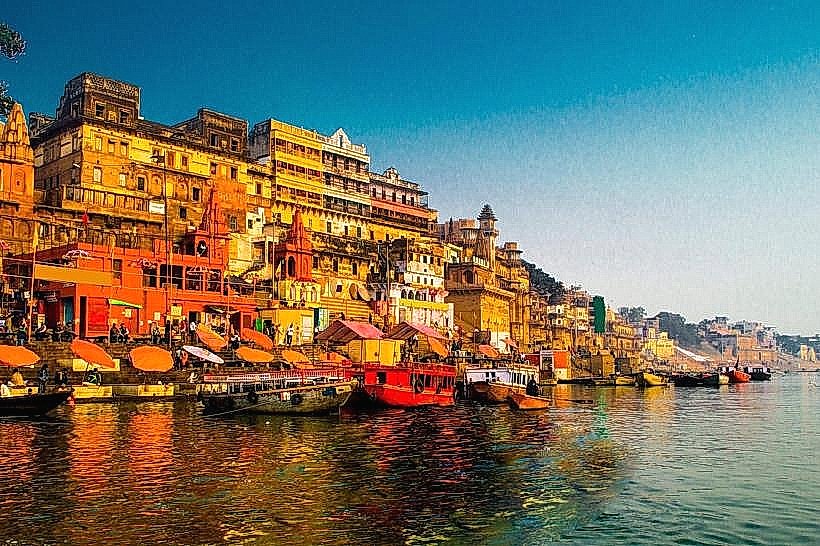
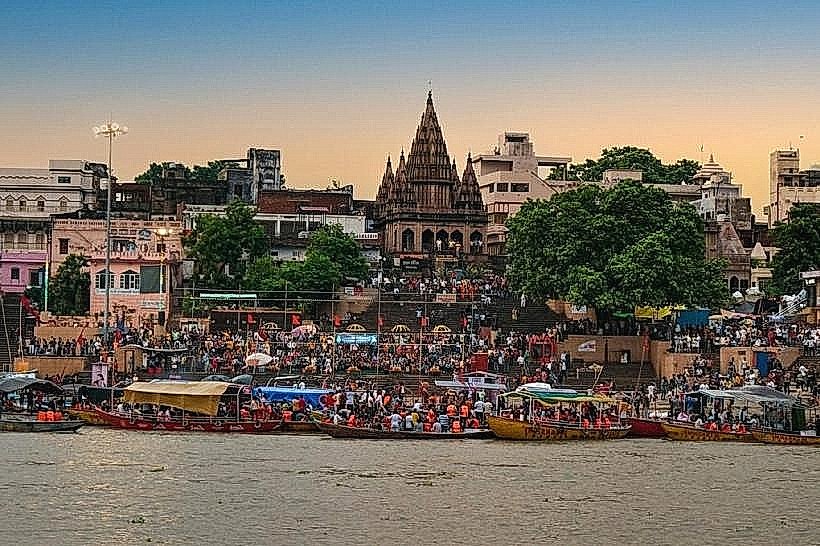
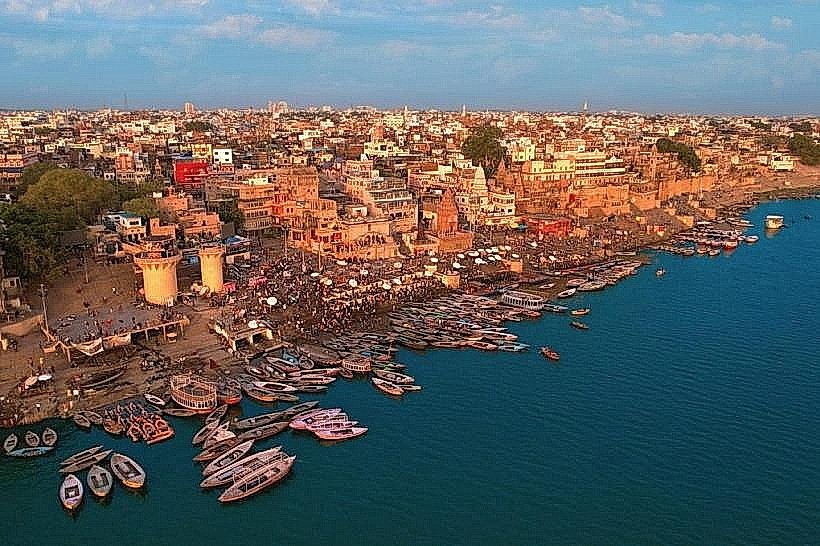
The ghat features a series of stone steps descending to the Ganges. The primary material is sandstone, with some areas showing signs of wear and repair. The ghat is approximately 10 meters high from the riverbank to the upper level. Architectural elements include arched alcoves and platforms used for religious ceremonies. The surrounding area is characterized by narrow lanes and multi-story buildings.
Location & Access Logistics
Dashashwamedh Ghat is situated in the heart of Varanasi's old city. It is approximately 2 kilometers west of the Varanasi Junction railway station. Access from the railway station can be achieved via auto-rickshaws or cycle-rickshaws, with a travel time of about 15-20 minutes depending on traffic. Limited parking is available in designated areas near the ghat, often requiring a fee. Public transport buses do not directly access the ghat itself; passengers would disembark at nearby main roads and walk the remaining distance.
Historical & Ecological Origin
According to Hindu mythology, the ghat was created by Lord Brahma to welcome Lord Shiva. Historical records suggest it has been a significant site for centuries, with its current structure largely developed over time through various renovations and expansions by different rulers and patrons. Its ecological significance lies in its direct interface with the Ganges River, a sacred waterway in Hinduism.
Key Highlights & Activities
Daily Ganga Aarti ceremony takes place at sunset, involving fire, lamps, and chanting. Boat rides on the Ganges are available throughout the day and evening, offering views of the ghats and city. Pilgrims perform ritualistic bathing and prayers. Religious rituals and ceremonies are conducted by priests. Observation of daily life and spiritual practices along the riverbank.
Infrastructure & Amenities
Basic restroom facilities are available, though their condition can vary. Some shaded areas are provided by awnings and surrounding buildings. Cell phone signal (4G/5G) is generally available. Food vendors and small shops selling religious items are present in the immediate vicinity of the ghat.
Best Time to Visit
For photography, the early morning (sunrise) and late afternoon (sunset) offer optimal lighting conditions. The best months for weather are generally from October to March, avoiding the monsoon season and extreme summer heat. High tide can affect the accessibility of the lower steps of the ghat.
Facts & Legends
A local legend states that Lord Brahma sacrificed ten horses (Dashashwamedh) at this spot to perform a yajna (fire sacrifice). A practical tip for visitors is to be aware of touts offering boat rides or other services; agree on prices beforehand.
Nearby Landmarks
- Kashi Vishwanath Temple (0.3km North)
- Manikarnika Ghat (0.5km South)
- Assi Ghat (2.5km South)
- Chowk (0.8km West)