Landmark: Sarnath
City: Varanasi
Country: India
Continent: Asia
Sarnath, Varanasi, India, Asia
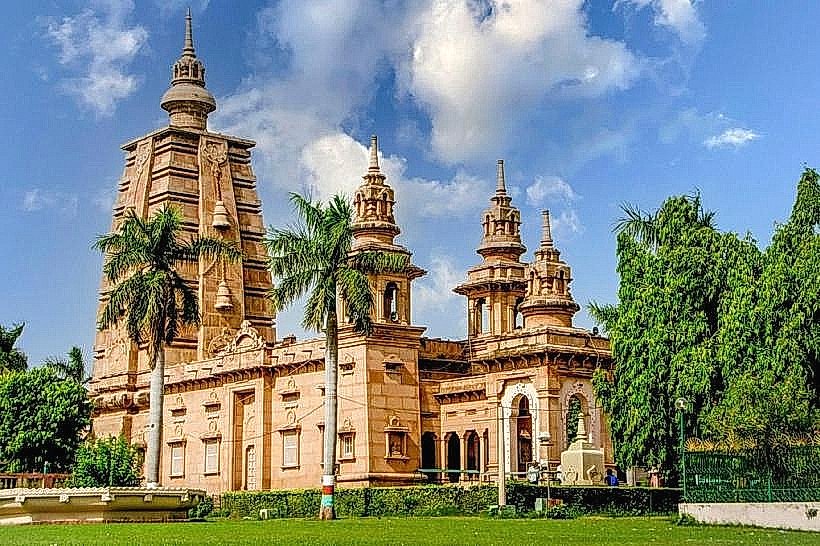
Sarnath is an archaeological site and a Buddhist pilgrimage center located approximately 10 kilometers northeast of Varanasi, Uttar Pradesh, India.
Visual Characteristics
The site features extensive ruins of ancient Buddhist monasteries and stupas, primarily constructed from brick and stone. Key structures include the Dhamek Stupa, a cylindrical tower standing approximately 34 meters high, and the Mulagandha Kuti Vihara. The grounds are characterized by scattered archaeological remains, pathways, and surrounding vegetation.
Location & Access Logistics
Sarnath is accessible via National Highway 29 (NH 29) from Varanasi. The distance from the Varanasi city center is approximately 10 kilometers. Private vehicle parking is available at designated areas near the main archaeological complex. Public bus services operate regularly from Varanasi's main bus stand (Gudambad) to Sarnath. Auto-rickshaws and cycle-rickshaws are also readily available for local transport within Sarnath.
Historical & Ecological Origin
Sarnath is historically significant as the location where Gautama Buddha first taught the Dharma after attaining enlightenment. The site's development began in the 3rd century BCE under Emperor Ashoka, who erected stupas and pillars. The ruins represent centuries of Buddhist monastic life and architectural evolution.
Key Highlights & Activities
Visitors can explore the Dhamek Stupa, the Ashoka Pillar (with its lion capital now housed in the Sarnath Museum), and the ruins of ancient monasteries. The Sarnath Museum contains a significant collection of Buddhist art and artifacts. Walking tours of the archaeological complex are recommended. Photography is permitted in designated areas.
Infrastructure & Amenities
Restrooms are available at the Sarnath Museum and near the main tourist entry points. Shade is limited within the archaeological ruins, with some trees providing cover. Cell phone signal (4G/5G) is generally available. Food vendors and small eateries are located outside the main archaeological site, along the approach road.
Best Time to Visit
The optimal time for visiting Sarnath is during the cooler months, from October to March. Mornings between 9:00 AM and 11:00 AM offer good lighting for photography before the midday sun. The site is accessible year-round, but avoiding the monsoon season (July-September) is advisable due to potential rainfall.
Facts & Legends
A notable historical oddity is the discovery of the Ashoka Pillar's lion capital, which has since become the national emblem of India. Local lore suggests that the deer park at Sarnath was where the Buddha delivered his first sermon, a significant event in Buddhist tradition.
Nearby Landmarks
- Varanasi Ghats (8km Southwest)
- Kashi Vishwanath Temple (9km Southwest)
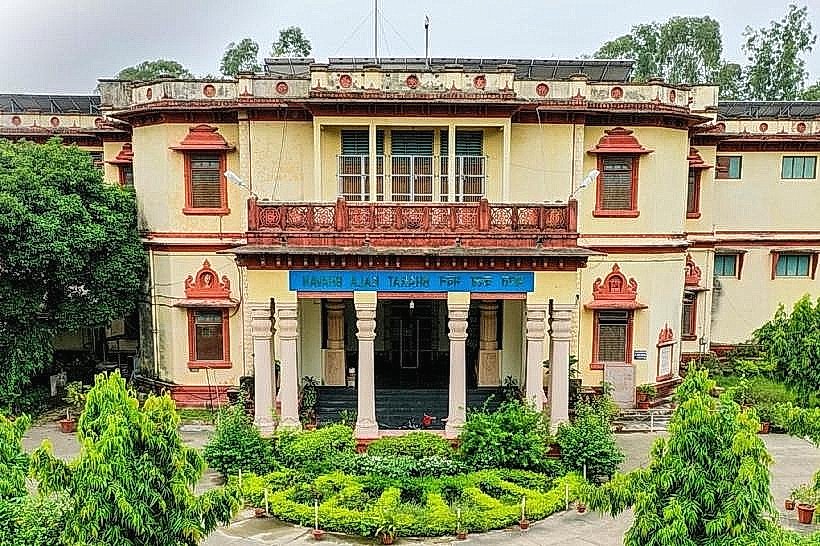
- Banaras Hindu University (BHU) (7km Southwest)
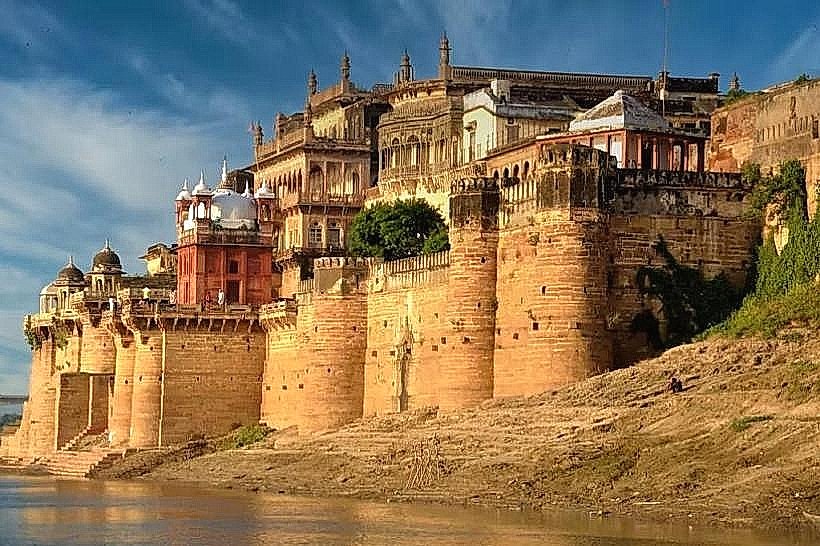
- Ramnagar Fort (12km Southeast)