Landmark: Manikarnika Ghat
City: Varanasi
Country: India
Continent: Asia
Manikarnika Ghat, Varanasi, India, Asia
Manikarnika Ghat is a primary cremation ground located on the western bank of the Ganges River in Varanasi, India.
It is one of the oldest and most sacred ghats in the city, central to Hindu funeral rites.
Visual Characteristics
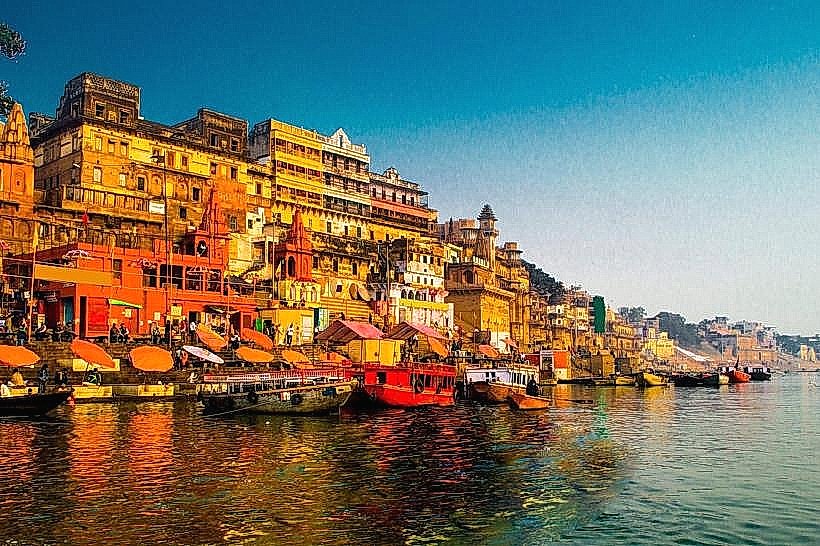
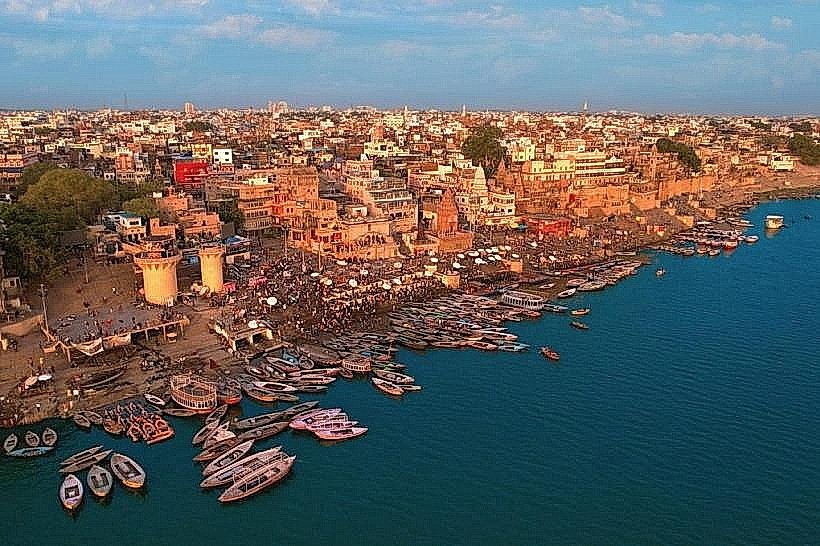
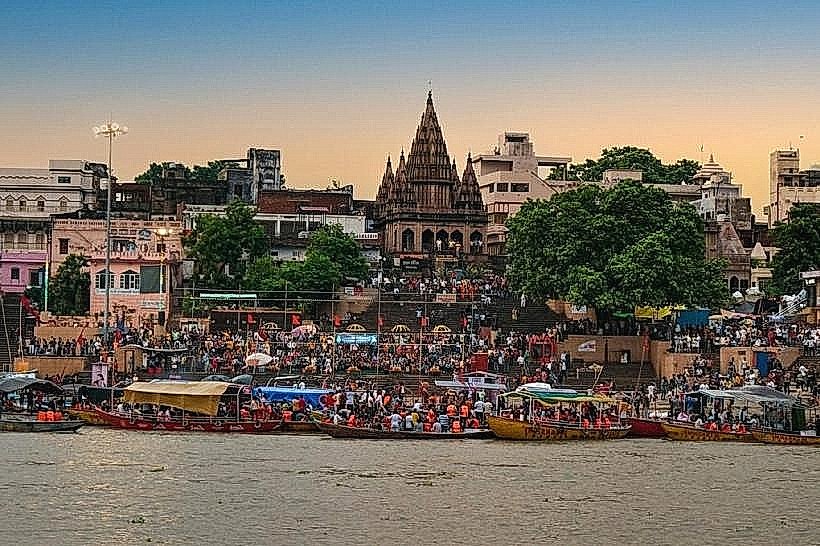
The ghat is characterized by a series of stone steps descending to the Ganges. Numerous pyres are often visible, with smoke rising. The architecture surrounding the ghat includes temples and buildings constructed from brick and stone, with varying shades of ochre, white, and grey. The Ganges River itself is wide, with water color that can range from muddy brown to a lighter hue depending on the season and rainfall.
Location & Access Logistics
Manikarnika Ghat is situated in the heart of Varanasi's old city. It is approximately 1.5 km from the Varanasi Junction railway station. Access is primarily on foot through narrow, winding lanes (galis) from the main roads like Dashashwamedh Road. Vehicle access directly to the ghat is not possible due to the dense urban fabric. Auto-rickshaws and cycle-rickshaws can bring visitors to the periphery of the old city, from where walking is required. There are no dedicated parking facilities at the ghat itself.
Historical & Ecological Origin
According to Hindu mythology, the ghat is the site where Lord Shiva's consort, Sati, dropped her earring (karnika). The ghat's origins as a cremation site are ancient, deeply rooted in Hindu beliefs about achieving moksha (liberation from the cycle of rebirth) by being cremated here and having ashes scattered in the Ganges. The ghat has been continuously used for cremations for centuries, with its current structure evolving over time through various renovations and constructions by local rulers and patrons.
Key Highlights & Activities
Observation of traditional Hindu cremation ceremonies is the primary activity. Visitors can witness the funeral processions arriving at the ghat and the subsequent cremation rituals. Photography is permitted from designated vantage points, though it is advisable to be discreet and respectful. Boat tours on the Ganges offer a distant view of the ghat's activities.
Infrastructure & Amenities
Basic amenities are limited. Small shops selling religious items and wood for pyres are present. There are no public restrooms directly at the ghat. Shade is minimal, primarily provided by surrounding buildings. Cell phone signal (4G/5G) is generally available in the vicinity, though it can be intermittent within the narrow lanes.
Best Time to Visit
For observing the ghat's activities, early morning and late afternoon offer distinct atmospheres. Sunrise provides softer light for photography. The monsoon season (July-September) can affect river levels and access. The dry season (October-March) generally offers more stable weather conditions. High tide is not a significant factor for access to the cremation area itself, but it influences the river's proximity to the steps.
Facts & Legends
A significant belief associated with Manikarnika Ghat is that those cremated here are freed from the cycle of reincarnation. It is also said that the flames of the funeral pyres burn eternally. A specific tip for visitors is to be aware of the local priests (doms) who manage the cremations; their services come at a cost, and unsolicited assistance should be politely declined if not required.
Nearby Landmarks
- Dashashwamedh Ghat (0.2km North)
- Vishwanath Temple (Kashi Vishwanath Temple) (0.4km Northwest)
- Chowk (Market Area) (0.6km West)
- Assi Ghat (1.8km South)