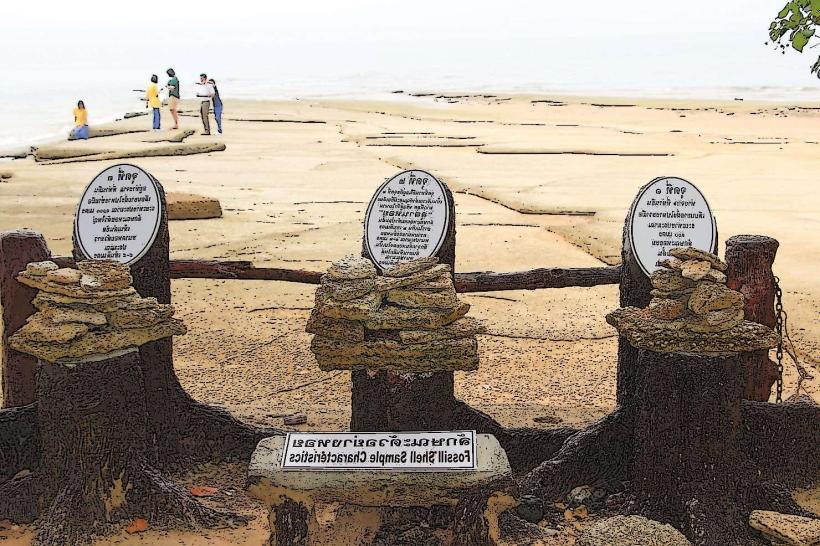
Landmark: Fossil Shell Beach
City: Krabi
Country: Thailand
Continent: Asia
Fossil Shell Beach, Krabi, Thailand, Asia
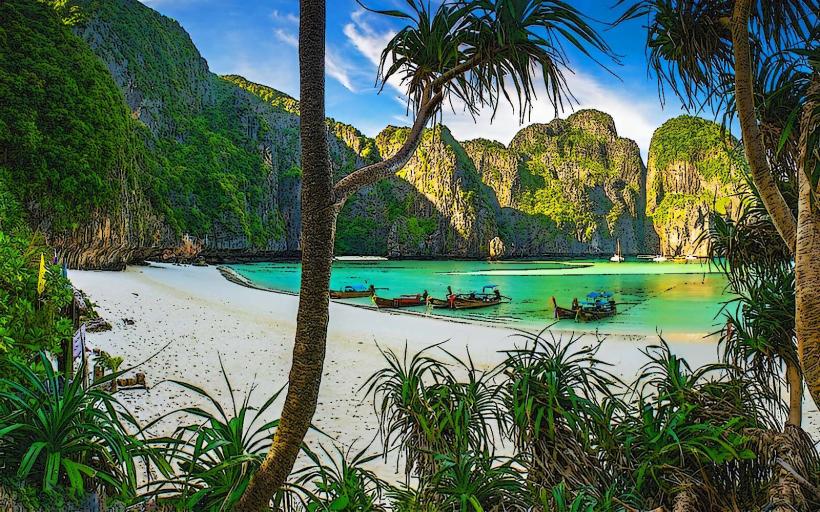
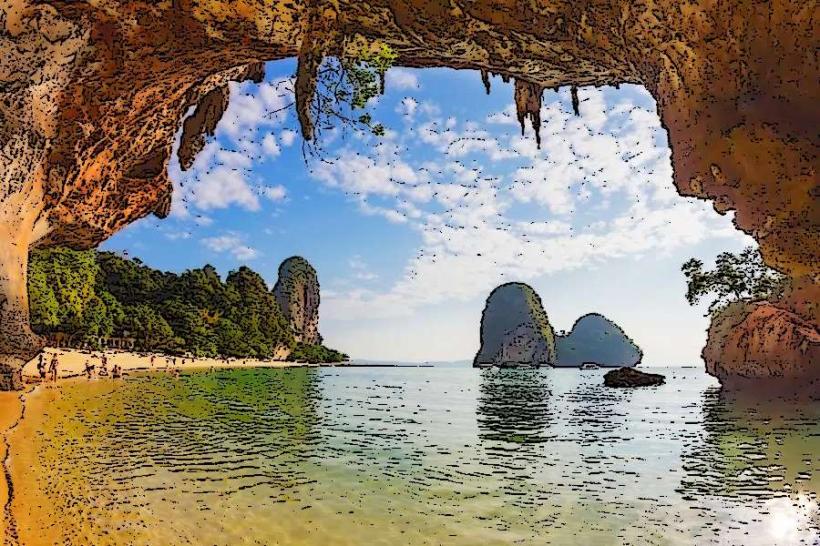
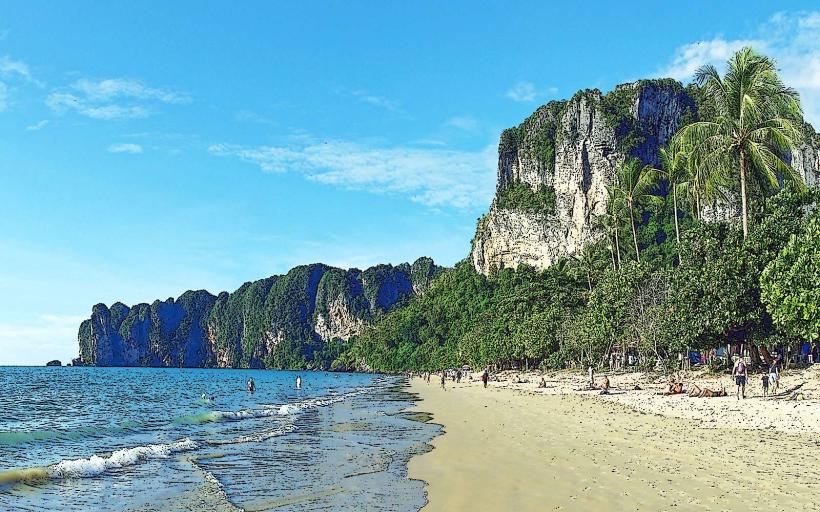
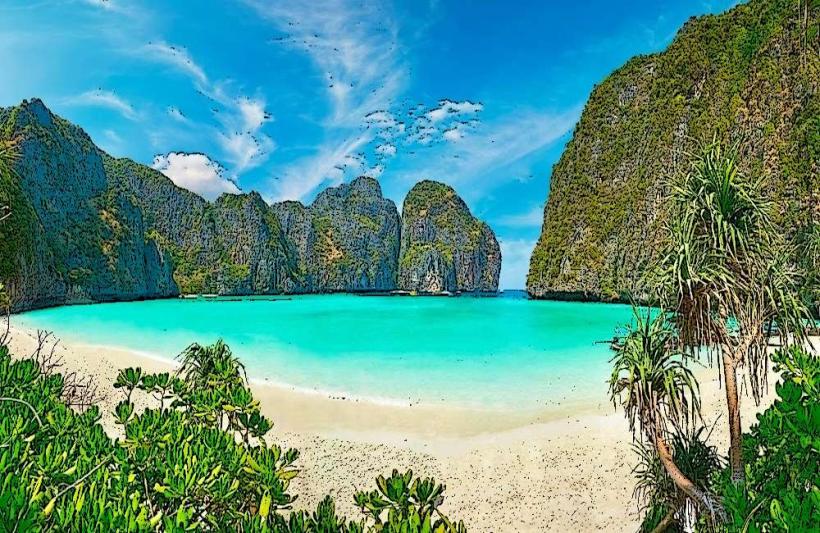
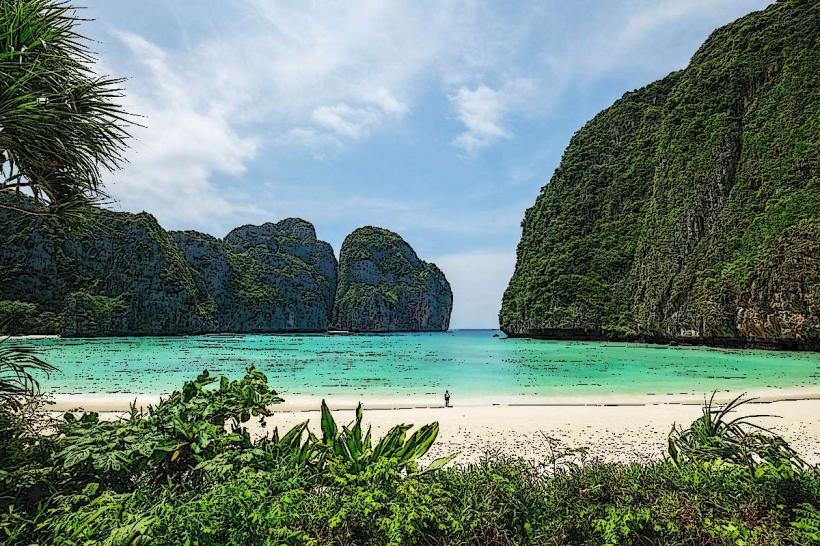
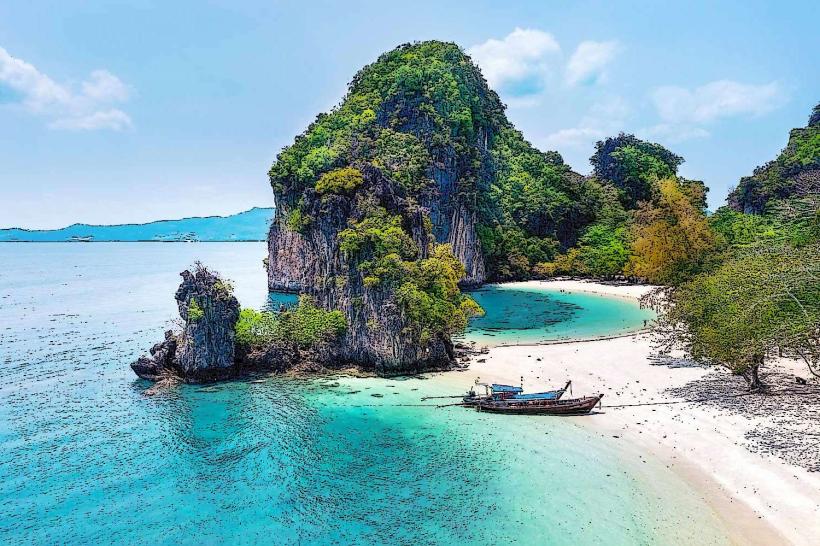
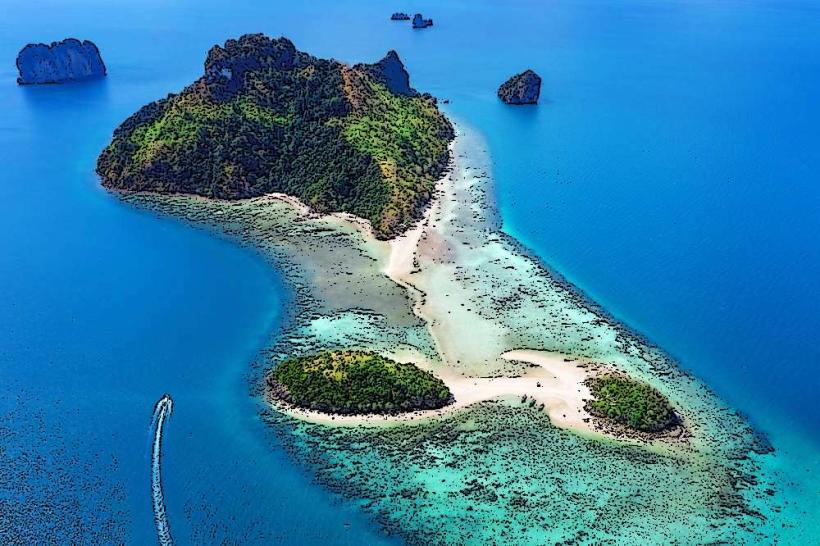
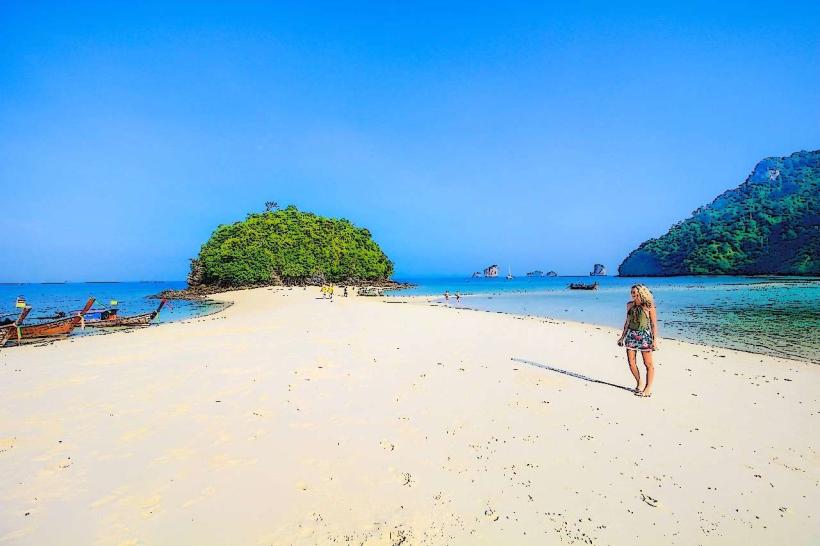
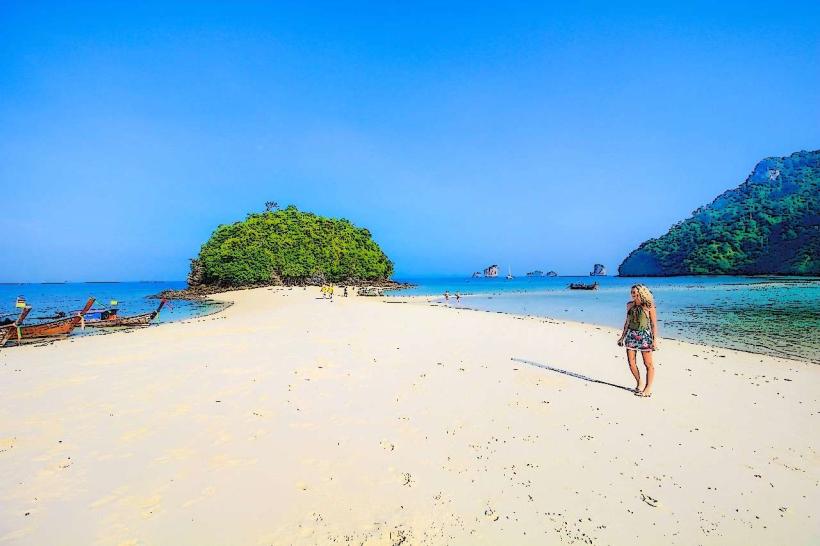
Fossil Shell Beach is a geological site located in Krabi, Thailand, characterized by its extensive deposits of fossilized shells.
The site comprises a 40-meter-thick layer of fossilized shells, primarily from the species *Mellita longipetalus* (a type of sea urchin) and various gastropods and bivalves. The fossil layer is exposed along the coastline, forming a distinct, light-colored stratum against the surrounding rock formations.
Location & Access Logistics
Fossil Shell Beach is situated approximately 17 kilometers north of Krabi Town, along the coast of Ao Nang. Access is via Highway 4034, turning onto local roads leading to the beach area. Parking is available at designated lots near the beach entrance. Public transport options include local buses (Songthaews) that run from Krabi Town to Ao Nang, with a short walk or taxi ride to the beach itself.
Historical & Ecological Origin
The fossil layer at Fossil Shell Beach was formed approximately 40 million years ago during the Miocene epoch. At that time, the area was submerged under a shallow sea. The accumulation of shells from marine organisms, followed by fossilization under sediment pressure, created the unique geological deposit observed today. The site is classified as a sedimentary rock formation.
Key Highlights & Activities
Visitors can observe the fossilized shell deposits directly along the beach. Examination of individual fossil specimens is possible. The beach itself is suitable for walking and observing the coastal geology. No specific guided tours are regularly scheduled, but local guides may be available for hire.
Infrastructure & Amenities
Basic amenities are limited. Restrooms are available near the parking area. Shade is minimal, provided primarily by natural vegetation at the edges of the beach. Cell phone signal (4G/5G) is generally available. Food vendors are typically located in the nearby Ao Nang area, not directly at the beach.
Best Time to Visit
The best time of day for viewing the fossil layers is during daylight hours. The best months for weather are generally from November to April, during the dry season. Tidal conditions do not significantly impact access to the fossil deposits, as they are exposed above the high tide line.
Facts & Legends
A local belief suggests that the fossilized shells are the remnants of ancient rice grains, transformed by a mythical serpent king. Geologically, the sheer density and preservation of the shells offer a significant window into the ancient marine ecosystem of the region.
Nearby Landmarks
- Railay Beach (2.5km Southwest)
- Phra Nang Cave Beach (3.0km Southwest)
- Tiger Cave Temple (Wat Tham Suea) (12.0km Northeast)
- Krabi Town (17.0km South)