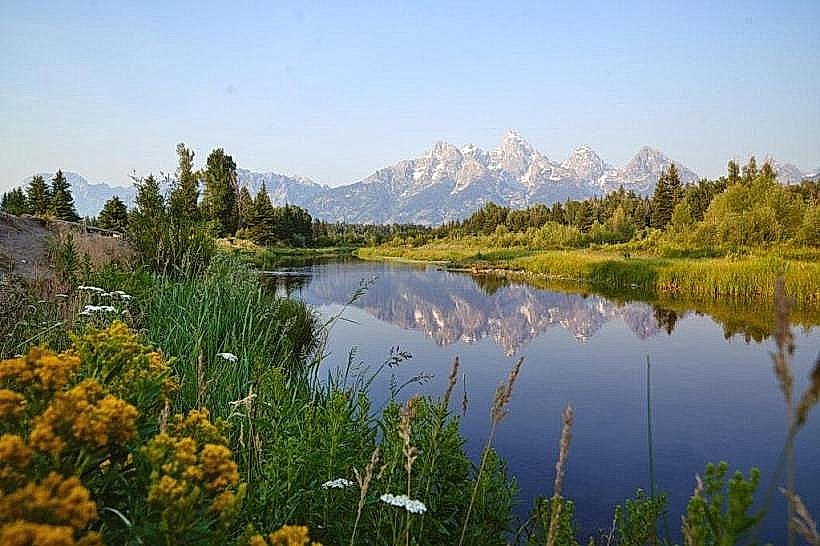
Landmark: Grand Teton National Park
City: Jackson Hole
Country: USA Wyoming
Continent: North America
Grand Teton National Park, Jackson Hole, USA Wyoming, North America
Grand Teton National Park is a protected area in northwestern Wyoming, USA, encompassing the Teton Range and adjacent valleys.
Visual Characteristics
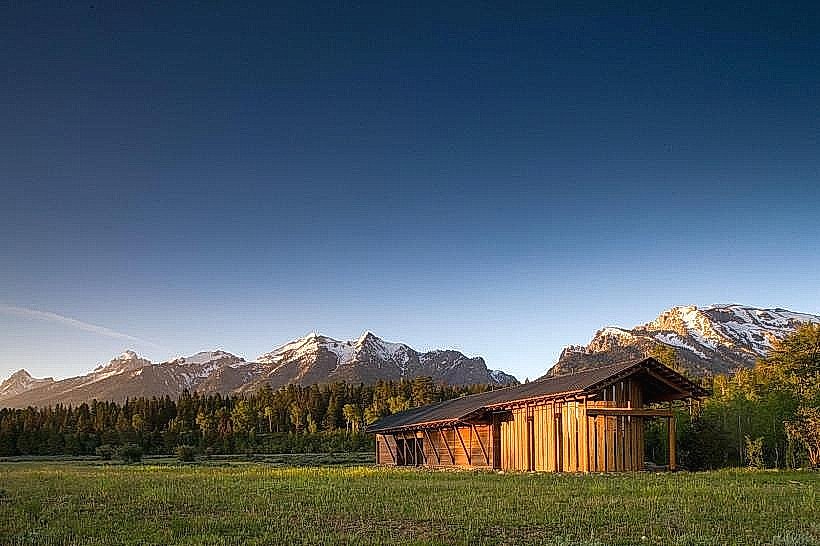
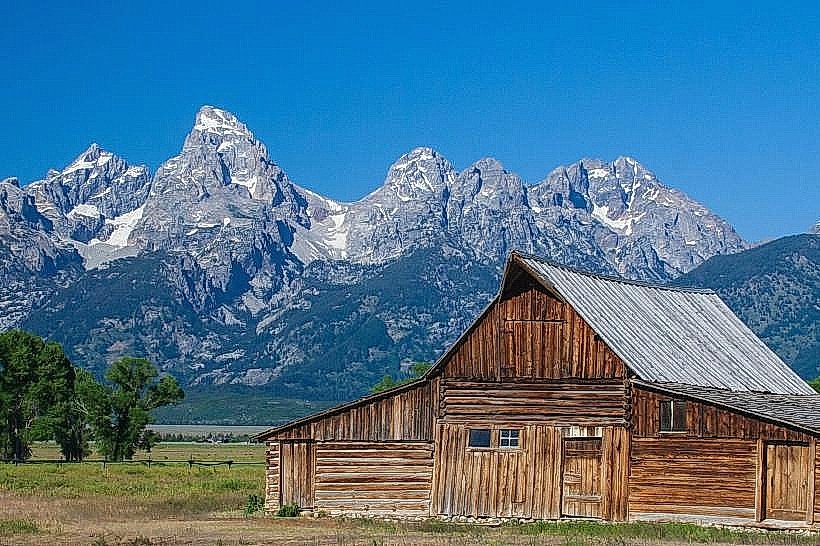
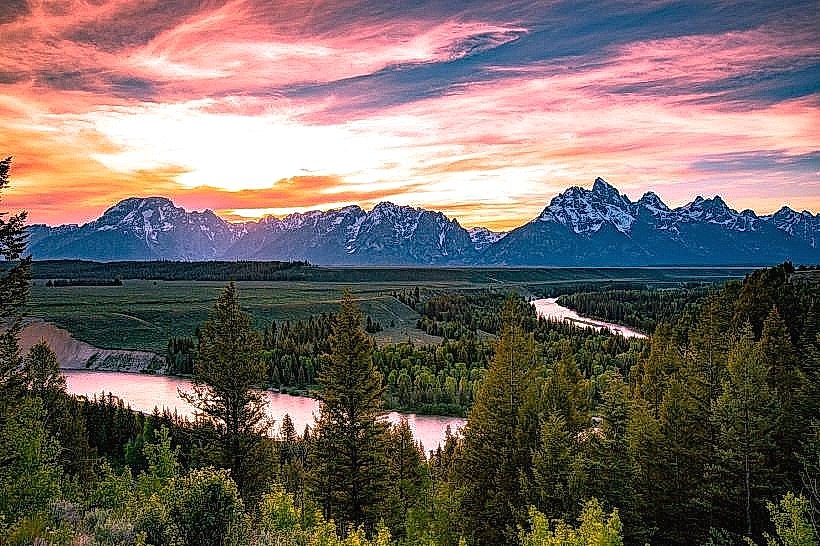
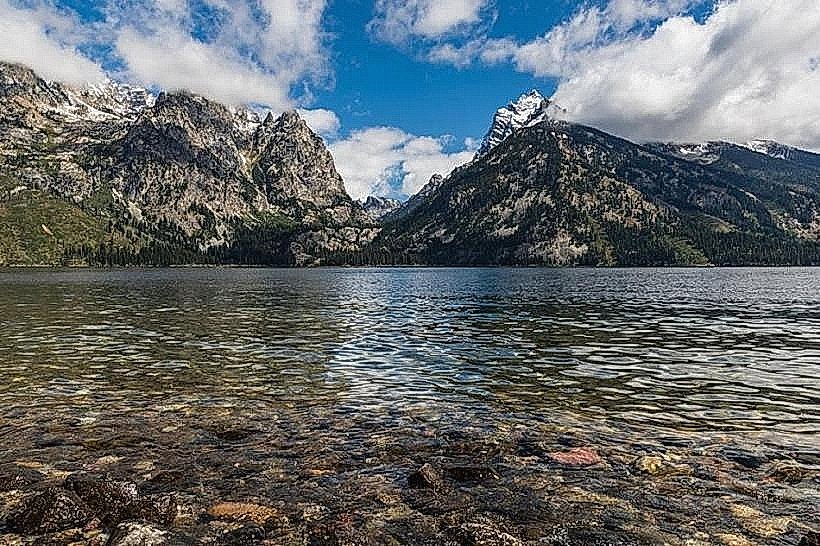
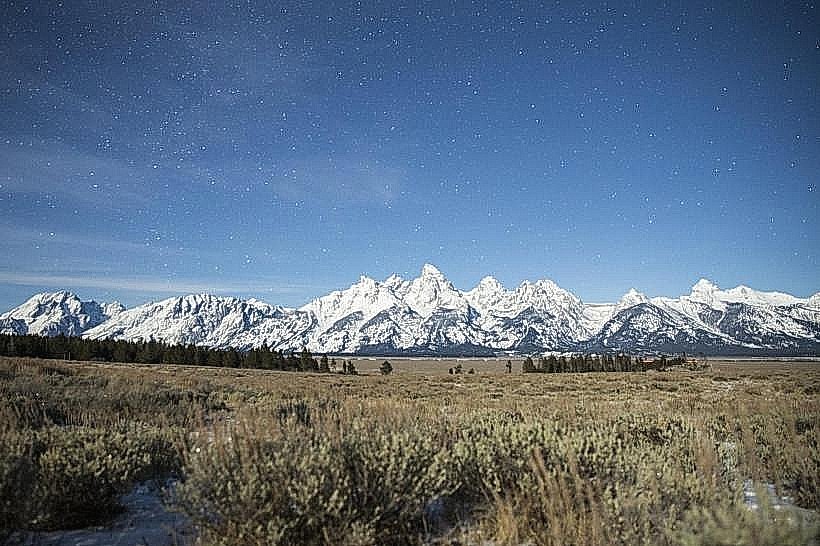
The Teton Range is characterized by its sharp, granite peaks that rise abruptly from the valley floor without foothills. The primary rock types are Precambrian metamorphic and igneous rocks, including gneiss and granite. The range is approximately 40 miles (64 km) long. Several large glacial lakes, including Jenny Lake, String Lake, Leigh Lake, and Jackson Lake, are situated at the base of the mountains. Vegetation varies from sagebrush steppe in the valleys to coniferous forests (pine, fir, spruce) at higher elevations, transitioning to alpine tundra above the treeline.
Location & Access Logistics
The park is located south of Yellowstone National Park. Access is primarily via US Highway 89/191/26, also known as the John D. Rockefeller, Jr. Memorial Parkway. Jackson Hole Airport (JAC) is located approximately 7 miles (11 km) north of the town of Jackson and 25 miles (40 km) south of the park's southern entrance. Several parking areas are available at trailheads and visitor centers, with capacity varying by location and season. Public transportation within the park is limited; the Jackson Hole Teton Village Shuttle operates seasonally between Jackson, Teton Village, and the park. Seasonal shuttle services may also be available for specific trailheads.
Historical & Ecological Origin
The Teton Range is a geologically young mountain range, formed by fault-block movement approximately 9 million years ago. The uplift of the Teton Fault created the dramatic vertical relief. The current landscape was further shaped by Pleistocene glaciation, which carved out the U-shaped valleys and glacial lakes. The area was established as a National Park on May 11, 1929, to protect its geological features and wildlife.
Key Highlights & Activities
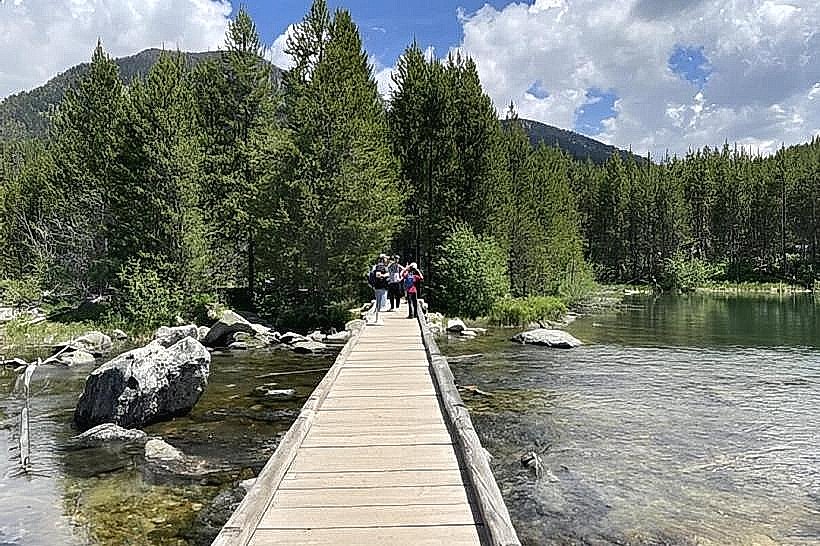
Hiking trails range from short, paved paths to multi-day backcountry routes. Specific trails include the Jenny Lake Trail (7.1 miles loop), Inspiration Point Trail (2.2 miles roundtrip), and Cascade Canyon Trail (9.6 miles roundtrip). Boating and kayaking are permitted on Jackson Lake and Jenny Lake. Fishing is allowed with a valid Wyoming fishing license. Wildlife viewing opportunities are present throughout the park, particularly for bison, elk, pronghorn, and bears. Ranger-led programs are offered seasonally.
Infrastructure & Amenities
Restrooms are available at visitor centers, campgrounds, and major pull-offs. Shade is provided by coniferous forests in many areas. Cell phone signal (4G/5G) is intermittent and generally unavailable in remote areas and canyons. Food services are available at Jackson Lake Lodge, Colter Bay Village, and Signal Mountain Lodge. General stores are located at Colter Bay and Flagg Ranch.
Best Time to Visit
The best months for general visitation are July and August, offering the warmest weather and full access to park roads and facilities. For photography, early morning and late evening provide optimal lighting conditions on the Teton peaks. Spring (May-June) and fall (September-October) offer fewer crowds but may have variable weather and road closures. High tide is not a relevant factor for this inland park.
Facts & Legends
The Teton Range is one of the few major mountain ranges in North America that lacks foothills, contributing to its dramatic appearance. A local legend speaks of the "Shadow of the Tetons," a phenomenon where the mountains cast a shadow that appears to move independently of the sun's position, attributed by some to spirits of the mountains.
Nearby Landmarks
- Yellowstone National Park (0.5km North)
- National Museum of Wildlife Art (4km South)
- Town of Jackson (12km South)
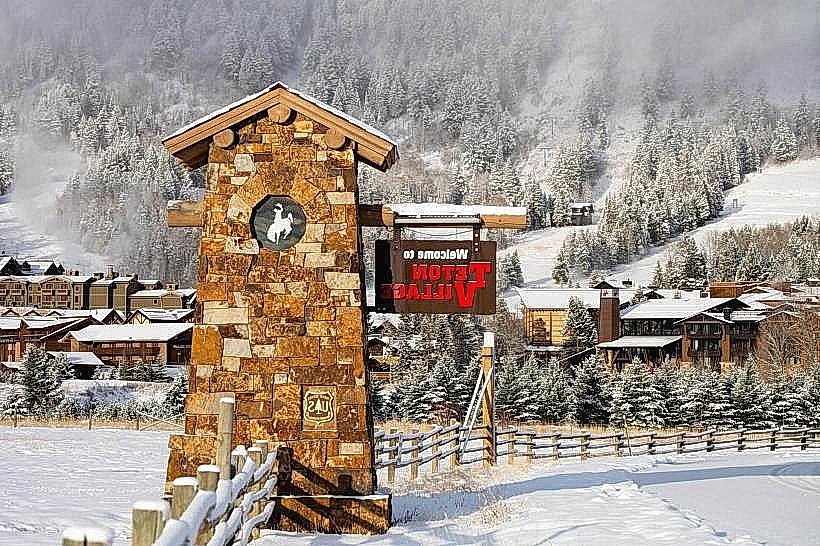
- Teton Village (15km South)
- Moose Wilson Road (1km West)