Landmark: Grand Yoff Market
City: Dakar
Country: Senegal
Continent: Africa
Grand Yoff Market, Dakar, Senegal, Africa
Grand Yoff Market is a sprawling commercial complex and open-air trading hub located in the Grand Yoff commune of Dakar, Senegal. It serves as one of the primary retail and wholesale distribution points for the city’s northern residential districts.
Visual Characteristics
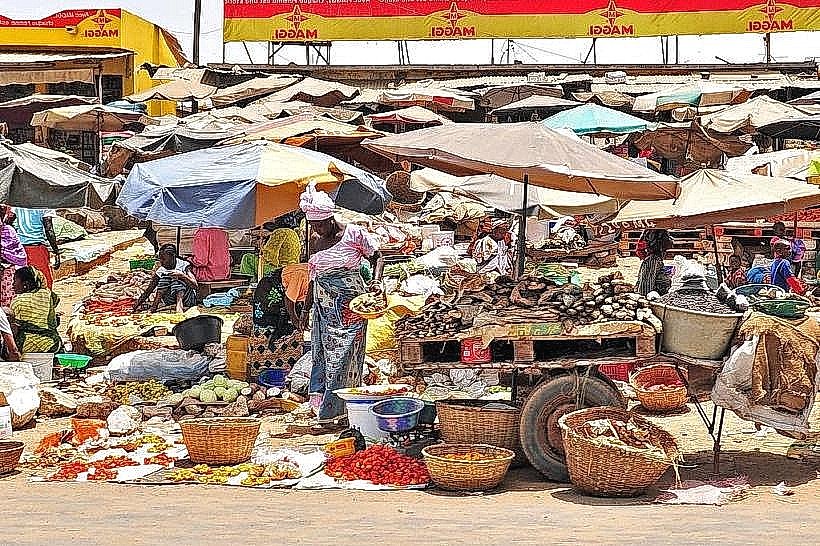
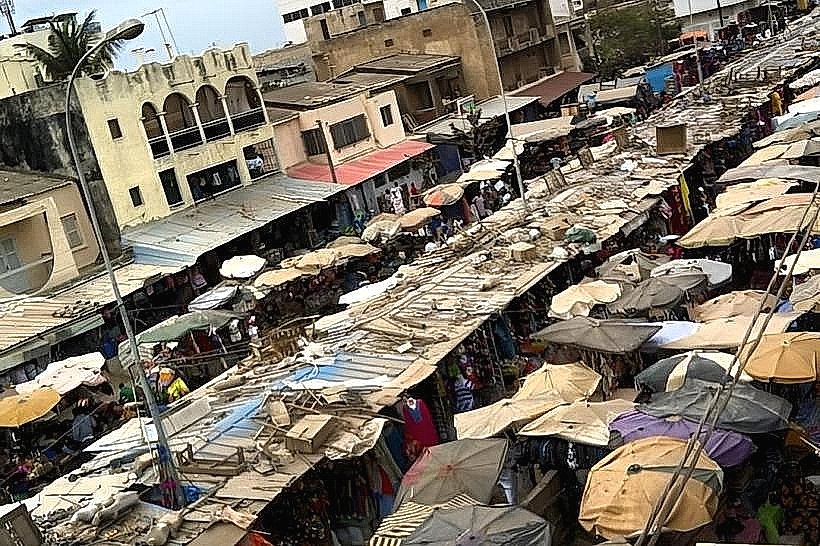
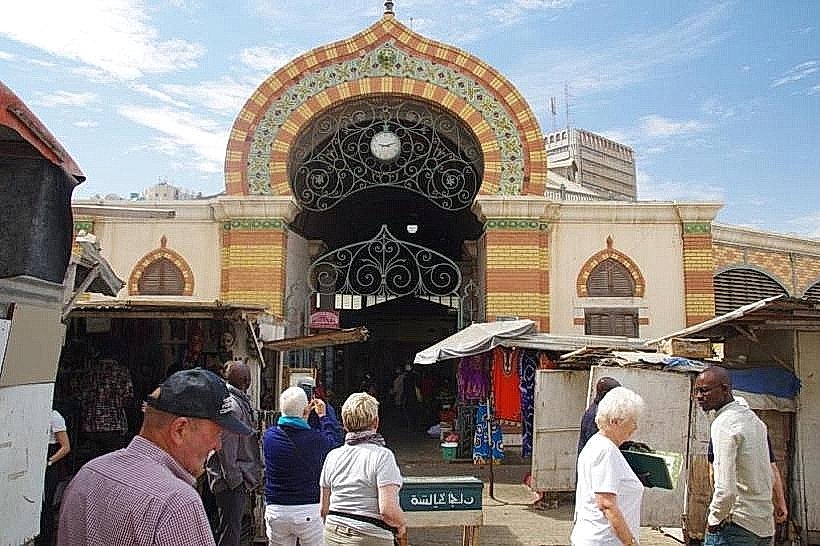
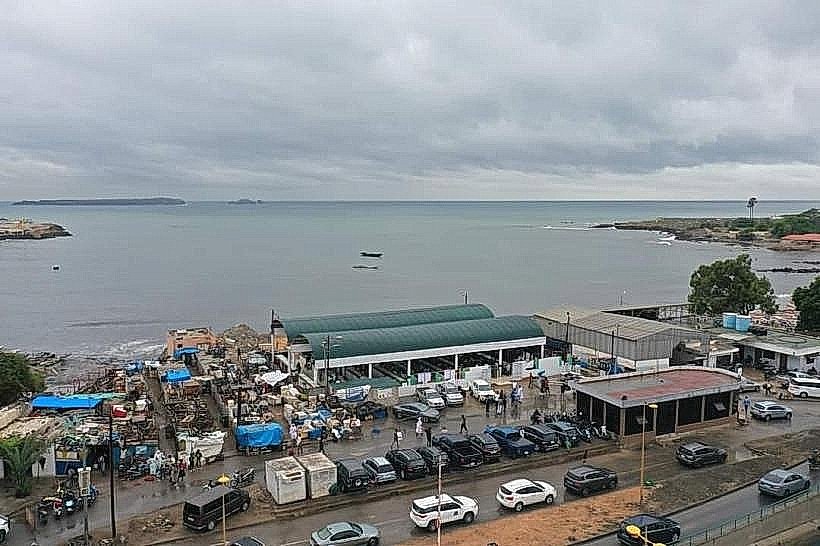
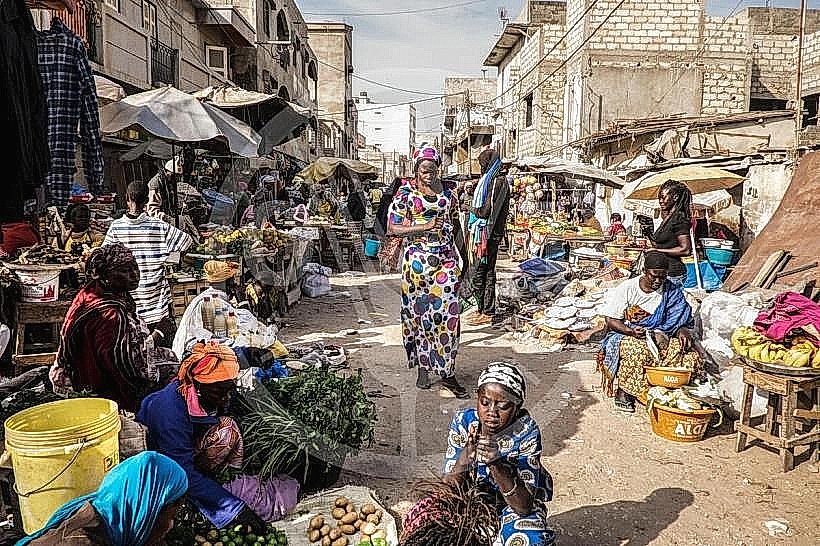
The market consists of a dense network of narrow, unpaved alleys and permanent concrete stalls with corrugated metal roofing. The color palette is dominated by the gray of weathered concrete and the diverse hues of piled textiles and plastic goods. Stalls are tightly packed, often extending into the walkways with wooden tables and hanging displays. The perimeter is defined by low-rise commercial buildings and a high concentration of informal metal-framed kiosks.
Location & Access Logistics
The market is situated off the Route de Front de Terre and the N1 Highway, approximately 8km north of Dakar's city center. It is accessible via the "Patte d'Oie" interchange. Multiple Dakar Dem Dikk bus lines, including routes 2, 4, and 23, stop at the Grand Yoff station. Taxis and "car rapides" (yellow and blue minibuses) provide continuous transit to the market entrance. There is no formal parking lot; vehicles typically use congested side streets or designated drop-off points along the main road.
Historical & Ecological Origin
The market developed organically following the rapid urbanization of the Grand Yoff district in the 1970s and 1980s. Originally an informal gathering of local traders, it was later recognized and partially formalized by municipal authorities to serve the growing population of the surrounding suburbs. The site sits on flat, sandy coastal terrain characteristic of the Cap-Vert peninsula.
Key Highlights & Activities
The primary activity is the trade of fresh produce, livestock, and artisanal goods. Visitors can observe the "Tissus" section, specializing in West African wax prints and tailored garments. Food processing, such as the cleaning of Atlantic fish and the grinding of local spices, occurs in dedicated zones. Bulk purchasing of household hardware and imported electronics is also a central function of the market.
Infrastructure & Amenities
Infrastructure is rudimentary, featuring basic drainage systems and a decentralized electricity grid. Public restrooms are limited and typically managed by local vendors for a small fee. Shade is provided by the overlapping stall roofs and temporary umbrellas, though central alleys remain exposed. 4G and 5G cellular coverage is consistently strong. Mobile money agents (Wave and Orange Money) are available every 50 to 100 meters for financial transactions.
Best Time to Visit
The market is most active between 09:00 and 13:00 daily. For photography, early morning light (08:00 to 09:30) is optimal before the crowds peak and narrow alleys become shaded. The market remains open year-round, though the dry season (December to May) is preferable for navigation, as unpaved sections can become muddy during the rainy season (July to September).
Facts & Legends
A specific local tip for visitors is the "Night Market" phenomenon, where certain sections along the main road transition into street food hubs after 20:00, specializing in "Dibiterie" (grilled meat). It is locally known for having some of the most competitive prices in Dakar due to its direct supply chains from rural agricultural regions.
Nearby Landmarks
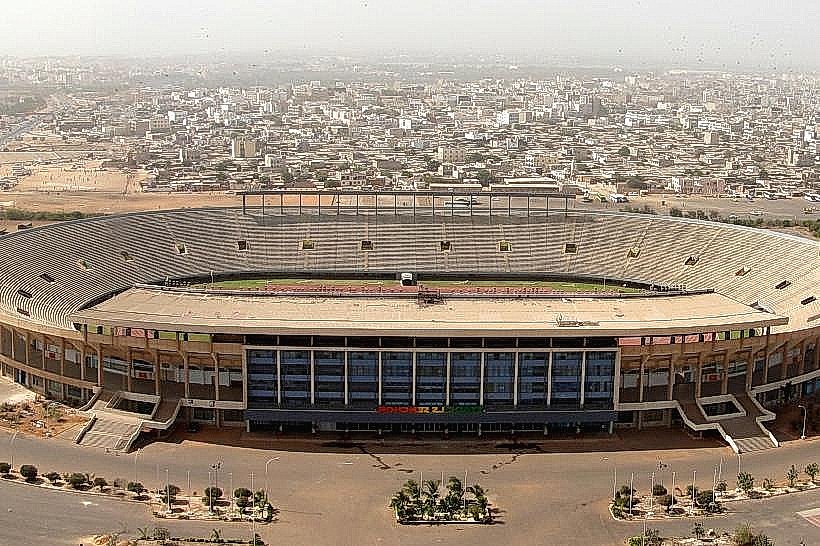
Leopold Sedar Senghor Stadium: 1.2km North
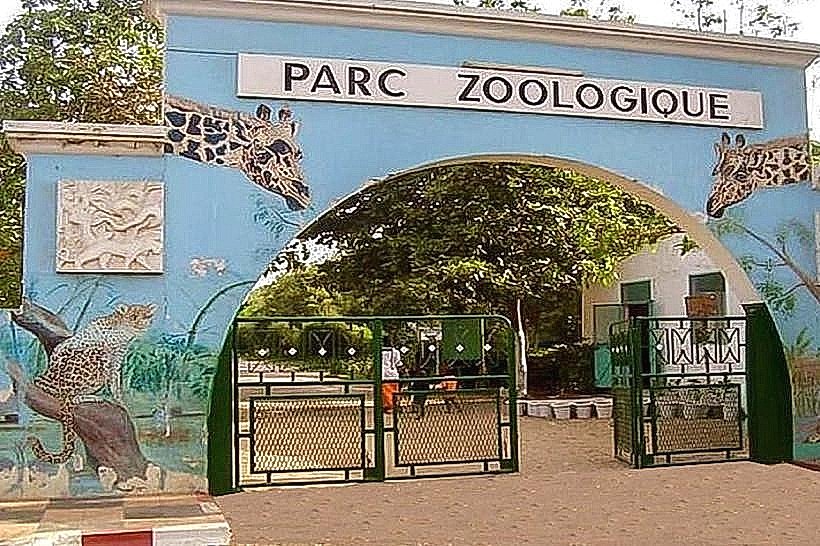
Parc Forestier et Zoologique de Hann: 3.5km East
Hôpital Général Idrissa Pouye: 0.6km West
Sacré-Cœur District: 2.8km Southwest
Patte d'Oie Interchange: 0.9km Northeast