Landmark: Greek Orthodox Church of the Annunciation (Church of St. Gabriel)
City: Nazareth
Country: Israel
Continent: Asia
Greek Orthodox Church of the Annunciation (Church of St. Gabriel), Nazareth, Israel, Asia
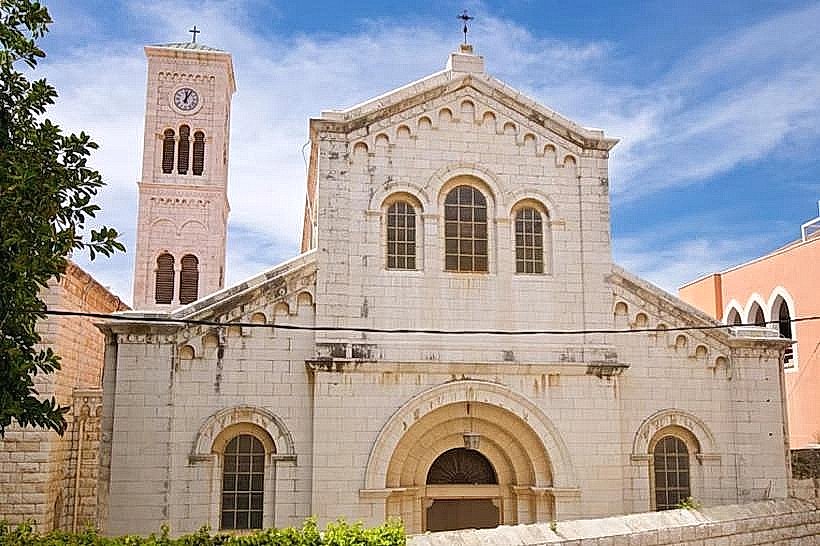
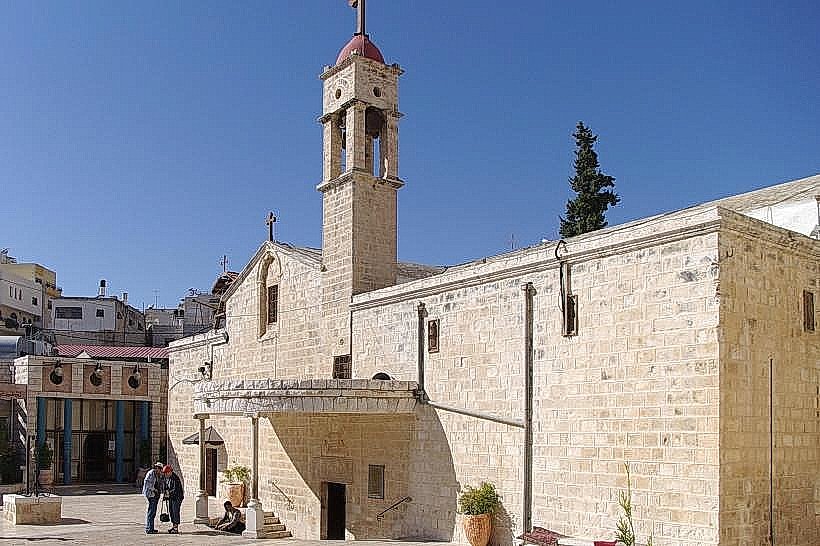
The Greek Orthodox Church of the Annunciation, also known as the Church of St. Gabriel, is a historic Eastern Orthodox place of worship in Nazareth. According to the Protoevangelium of James, this is the site where the Archangel Gabriel appeared to Mary at a spring, predating the scene at her home.
Visual Characteristics
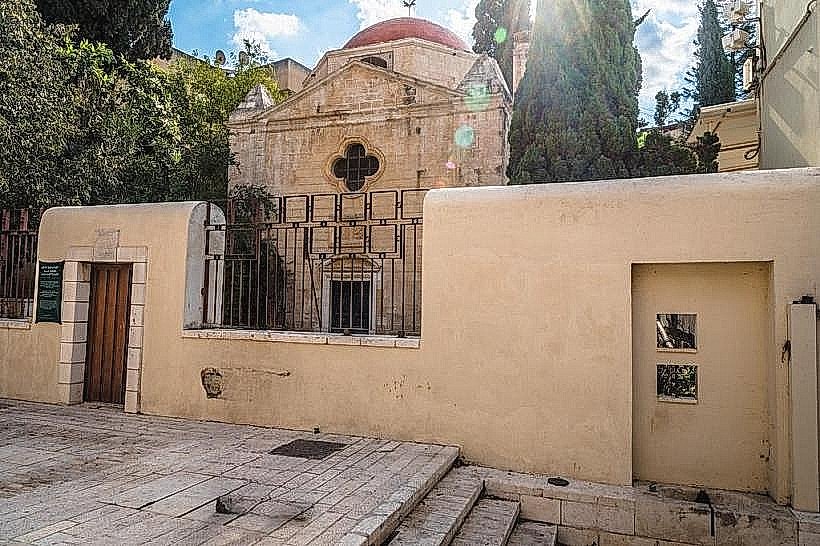
The church is a 18th-century structure built with thick, light-colored limestone walls typical of the Ottoman era. Its interior is characterized by a richly decorated wooden iconostasis and vibrant Byzantine-style frescoes covering the vaulted ceilings. The most distinct visual element is the subterranean chapel, where visitors descend a narrow stone staircase to reach a cavernous chamber. Here, ancient masonry encloses the natural spring, which is visible through a specialized metal grate.
Location & Access Logistics
The church is situated at the northern end of the Old City, near the area traditionally known as Mary’s Well. It is located on a small side street approximately 150 meters north of the main plaza. Access by car is extremely limited due to the narrow pedestrian nature of the neighborhood; most visitors park near the main square and walk to the entrance. Public transport is available via local bus lines that stop at the nearby Mary's Well square.
Historical & Ecological Origin
The current building was completed in 1750, though it sits atop the ruins of several earlier structures, including a 12th-century Crusader church and a 4th-century Byzantine sanctuary. The site is geologically unique as it encloses the actual source of the only natural spring in Nazareth. Historically, this water was essential for the survival of the ancient village, making it the natural focal point for community life and religious tradition.
Key Highlights & Activities
The primary highlight is the subterranean spring, where water still flows into a stone basin. Visitors often bottle the water, which is considered holy by pilgrims. The sanctuary is active for liturgical services, and the ornate iconostasis is a significant example of 18th-century wood craftsmanship. Photography is permitted within the church, provided it does not disrupt ongoing prayer services or ceremonies.
Infrastructure & Amenities
The church is a gated complex that includes a small courtyard and an administrative office. Public restrooms are located near the entrance. While the main sanctuary is accessible, the subterranean spring is not ADA-compliant, as it requires navigating steep and narrow stone steps. The surrounding area is part of a high-density commercial district with various cafes and religious souvenir shops immediately outside the gate. Full 5G cellular signal is available.
Best Time to Visit
The church is open daily from 07:00 to 19:00. The best time for a visit is early morning (07:00–09:00) when the site is peaceful and the sunlight is soft. Late afternoon also provides a quiet atmosphere after the departure of large tour groups. Modest dress is strictly required, with clothing covering both shoulders and knees.
Facts & Legends
A local tradition maintains that the spring water has curative properties, particularly for ailments related to sight. A verified historical oddity is that while the Roman Catholic basilica marks the Annunciation at Mary's home, the Orthodox tradition preserves the "Annunciation at the Well," reflecting two different moments of the same biblical event. The church was built by the local Orthodox community with special permission from the Ottoman governor Zahir al-Umar.
Nearby Landmarks
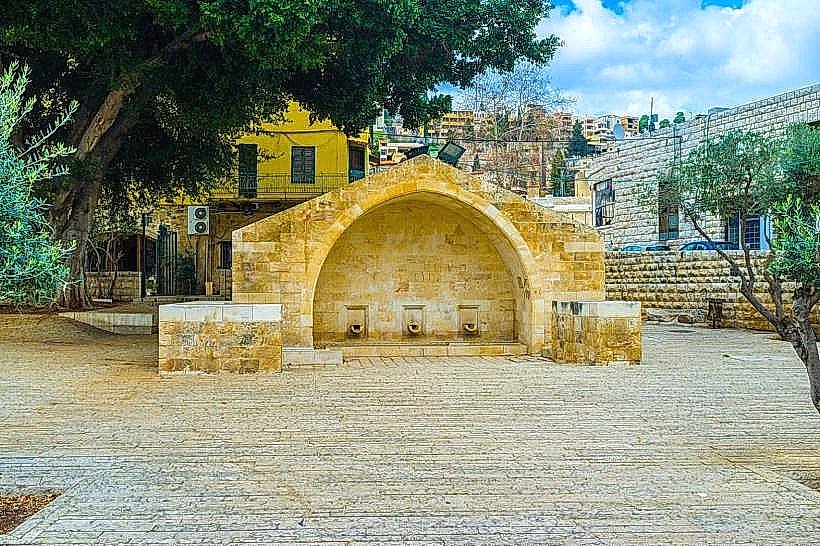
Mary's Well – 0.15km South
Nazareth Old City Market – 0.4km South
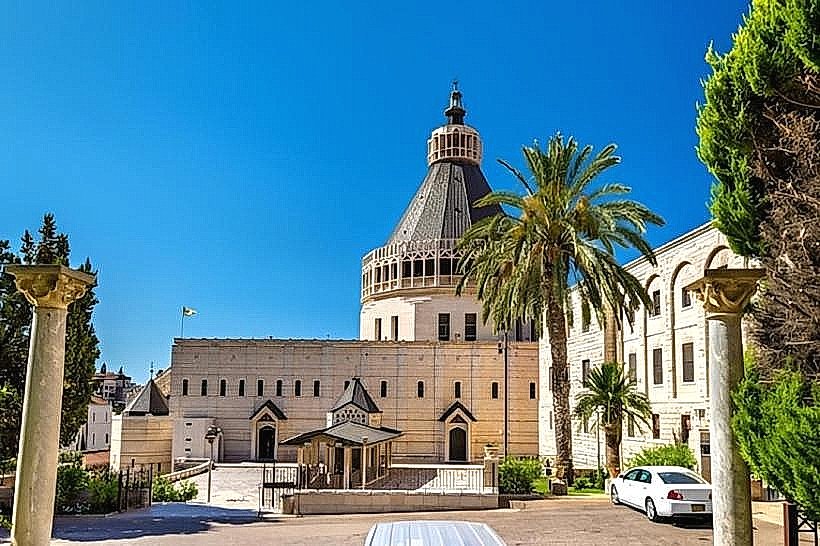
Basilica of the Annunciation – 0.9km South
St. Gabriel Hotel – 0.2km West
International Center Mary of Nazareth – 0.8km South