Landmark: White Mosque (Al-Mosque al-Abyad)
City: Nazareth
Country: Israel
Continent: Asia
White Mosque (Al-Mosque al-Abyad), Nazareth, Israel, Asia
The White Mosque (Al-Mosque al-Abyad) is the oldest mosque in modern Nazareth, located in the heart of the Old City's Harat Al-Ghamu neighborhood. It serves as a prominent religious, educational, and cultural center for the local Muslim community and is a symbol of inter-religious harmony in the city.
Visual Characteristics
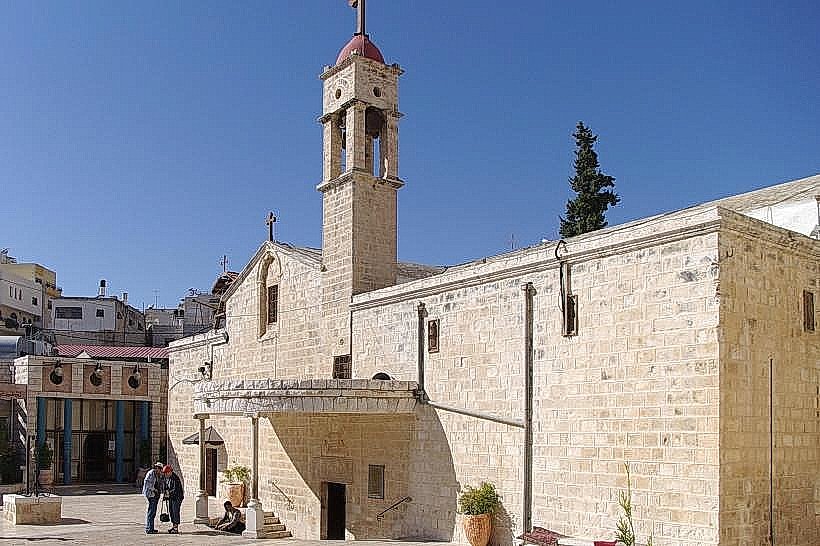
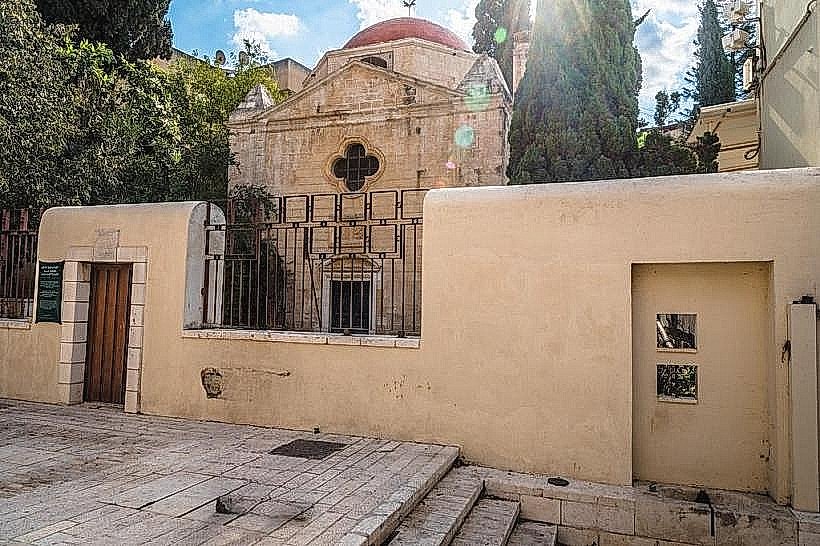
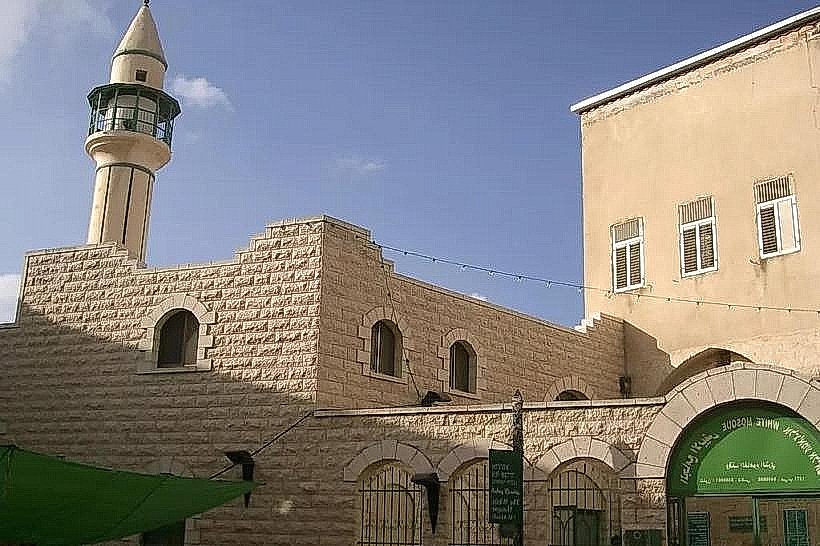
The mosque is characterized by its elegant Ottoman architectural style, featuring a cream-colored limestone facade and a slender, pencil-shaped minaret topped with a green conical roof. The interior is defined by a simple, spacious prayer hall with green-carpeted floors and large windows that provide natural light. The central courtyard is paved with stone and often serves as a communal gathering space. Its white-painted dome and walls contrast with the dense, surrounding stone-built market alleys.
Location & Access Logistics
The mosque is situated in the center of the Old City Market (Souq), approximately 250 meters north of the Basilica of the Annunciation. Due to its location in a pedestrian-heavy market zone, it is inaccessible by car. Visitors typically park in the municipal lots on Paulus VI Street and navigate the narrow market streets on foot. Public transport is available via local bus lines stopping at the city’s main junctions, followed by a 5-minute walk through the market.
Historical & Ecological Origin
Construction began in the late 18th century under the patronage of the Egyptian governor Akko, Sheikh Abdullah al-Fahoum, and was completed in 1812. The mosque was built over the limestone bedrock of the Nazareth hills. Historically, it was established to meet the needs of the growing Muslim population during the Ottoman period. The Al-Fahoum family continues to manage the mosque’s waqf (endowment) and maintains its historical archives.
Key Highlights & Activities
The mosque houses a small museum and library containing rare Ottoman-era documents and religious texts. Visitors can observe the traditional Islamic calligraphy decorating the interior walls. The mosque remains an active place of worship with five daily prayers. It is also a center for local community outreach and dialogue. During the month of Ramadan, the courtyard becomes a vibrant site for communal breaking of the fast (Iftar).
Infrastructure & Amenities
The facility includes separate prayer areas for men and women and traditional ablution fountains in the courtyard. Public restrooms are located nearby within the market area. The mosque is situated in a high-density commercial zone with numerous stalls selling traditional foods, spices, and textiles. Full 5G cellular coverage is available. While the courtyard is accessible, the interior prayer halls may have small steps.
Best Time to Visit
The mosque is open to respectful visitors outside of prayer times. The best time for a visit is mid-morning (09:00–11:00) on weekdays when the market is lively but the mosque is quiet. For photography, the morning light illuminates the minaret and the courtyard most effectively. Visitors must remove their shoes before entering the prayer hall and dress modestly (covering shoulders and legs).
Facts & Legends
A historical oddity is that the mosque was intentionally named "White" to symbolize a new era of purity, light, and peace for the city's inhabitants. Local tradition emphasizes that the mosque’s land was donated to ensure that the Muslim community had a central place of worship that would exist alongside the city’s significant Christian shrines, reinforcing Nazareth’s multi-faith identity.
Nearby Landmarks
Nazareth Old City Market – 0.0km (Surrounding)
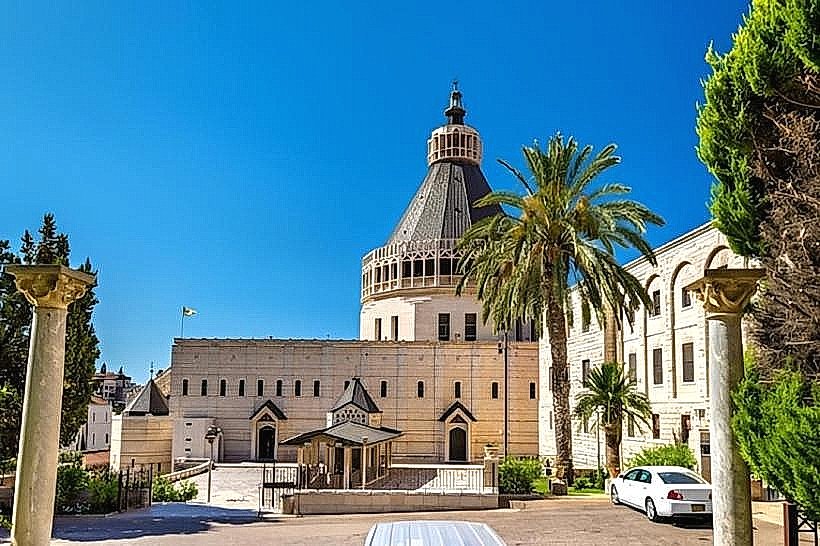
Basilica of the Annunciation – 0.25km South
Synagogue-Church – 0.1km West
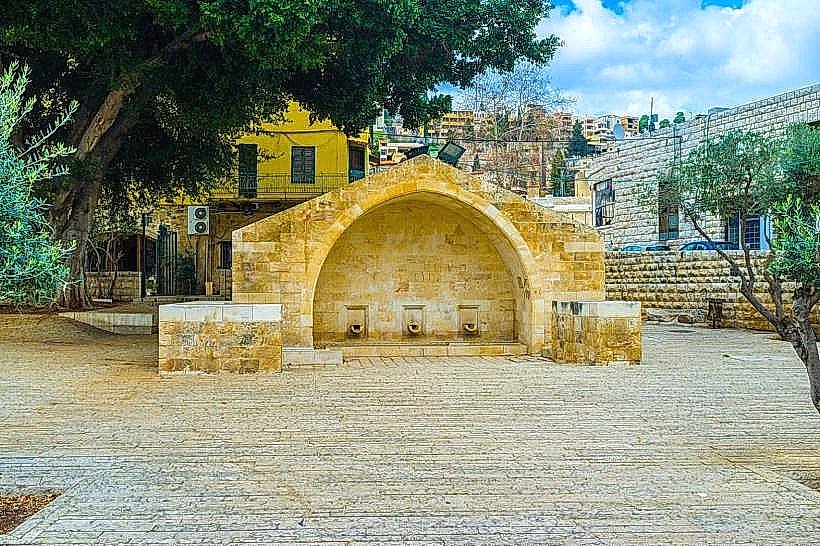
Mary's Well – 0.6km North
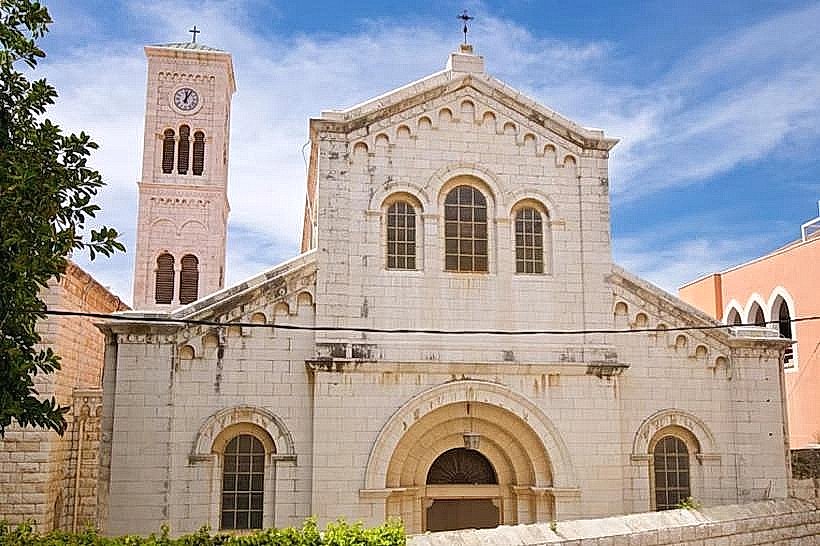
St. Joseph's Church – 0.3km South