Landmark: Nazareth Village
City: Nazareth
Country: Israel
Continent: Asia
Nazareth Village, Nazareth, Israel, Asia
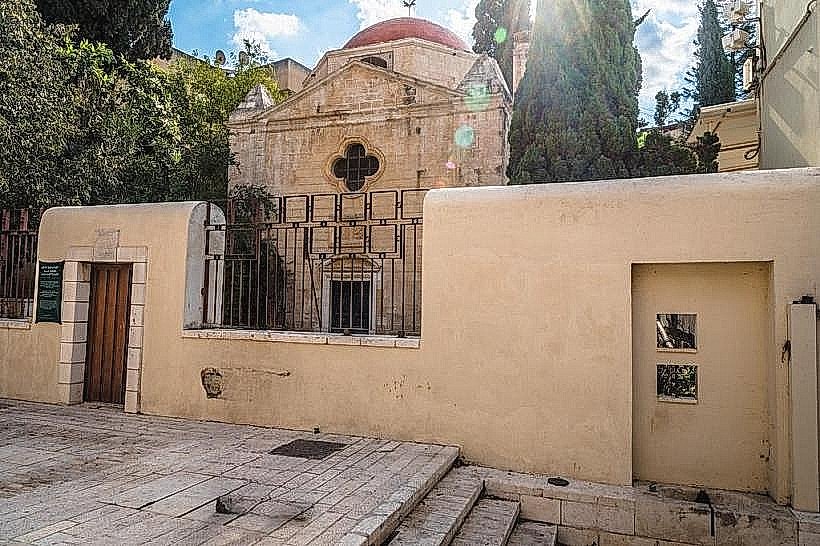
Nazareth Village is an open-air living history museum located in the heart of modern Nazareth. It is a large-scale reconstruction of a 1st-century Galilean farm and village, designed to demonstrate the daily life, technology, and social structures of the period in which Jesus lived.
Visual Characteristics
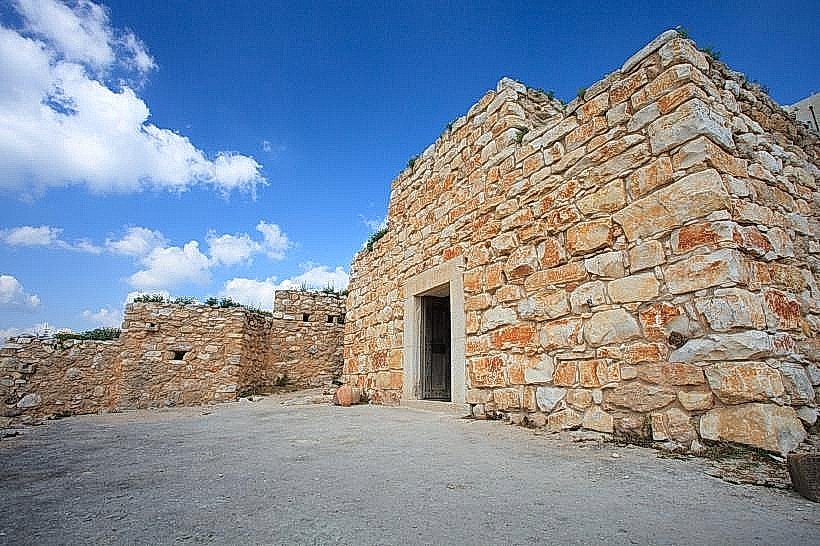
The site features authentic 1st-century agricultural terraces, stone-built houses with reed and mud roofs, and a functional synagogue reconstruction. The landscape is characterized by olive groves, vineyards, and pomegranate trees. Staff members are dressed in hand-woven period attire and engage in traditional labor such as spinning, weaving, and carpentry. The architecture utilizes local unhewn stone and timber, with interiors featuring low-light settings, dirt floors, and traditional clay pottery.
Location & Access Logistics
Nazareth Village is situated on a 15-acre site at 5079 Street, approximately 500 meters southwest of the Basilica of the Annunciation. Access by car is via the narrow streets of central Nazareth; a dedicated parking lot is available for visitors. Public transport is accessible through local bus lines that stop near the city center, followed by a 10-minute walk. Due to the high density of modern Nazareth, navigating to the entrance requires following specific directional signage from the main junctions.
Historical & Ecological Origin
The project was established in 2000 following the discovery of ancient wine presses and agricultural terraces on the property during preliminary surveys. Geologically, the site sits on the limestone hills of the Lower Galilee. The museum was built using only materials and techniques available in the 1st century to ensure historical accuracy. It serves as an ecological preserve for indigenous Galilean flora that has largely disappeared from the surrounding urbanized areas.
Key Highlights & Activities
The primary experience is a guided tour that includes demonstrations of a functional wine press, an olive press, and a stone quarry. Visitors can observe a "carpenter's shop" and a "weaver's loom" in operation. The reconstructed synagogue is a central highlight, built based on archaeological findings from the region. The "Biblical Meal" is an optional activity where guests eat traditional 1st-century food served in a communal setting.
Infrastructure & Amenities
The facility includes a modern visitor center with a ticket office, a large gift shop, and an air-conditioned auditorium. Public restrooms are located at the entrance and within the village grounds. The site is partially ADA-compliant; while the visitor center is accessible, the outdoor village paths are made of gravel and involve inclines that may be difficult for some wheelchairs. Full 5G cellular coverage is available.
Best Time to Visit
The village is open Monday through Saturday from 09:00 to 17:00. The optimal time for visiting is during the spring (March–May) when the traditional crops are in bloom and the weather is moderate. Tours are scheduled in advance, so early morning slots (09:00–11:00) are best to avoid peak group traffic. Photography is encouraged throughout the site, particularly during the outdoor demonstrations.
Facts & Legends
A unique historical fact about the site is that the wine press discovered during construction is original to the 1st century, meaning the modern reconstructions are literally built around an authentic ancient workplace. Local guides often emphasize that the "carpentry" shown is more accurately "stonemasonry," as the Greek word tekton referred to a general builder-reflecting the predominantly stone-based construction of the era.
Nearby Landmarks
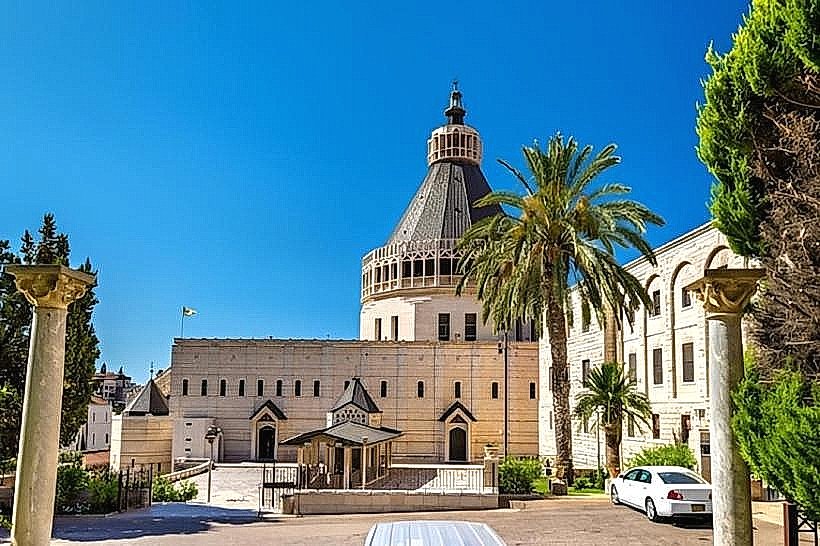
Basilica of the Annunciation – 0.6km Northeast
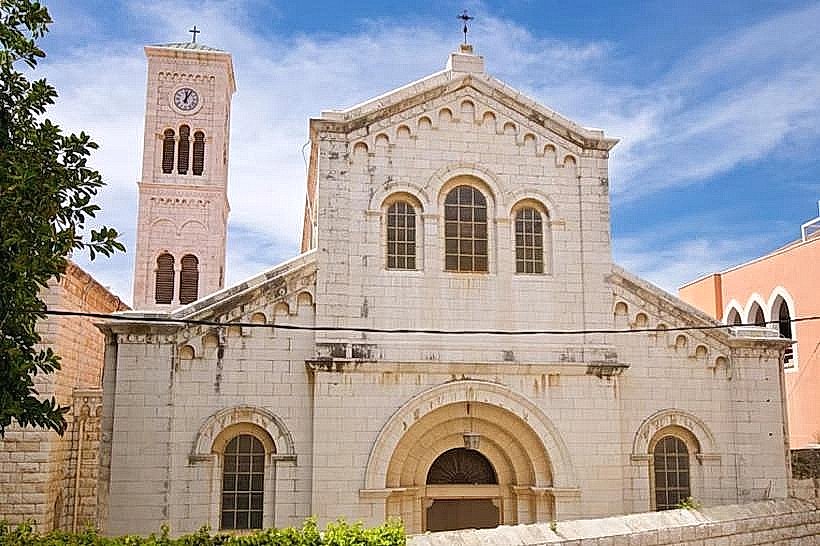
St. Joseph's Church – 0.7km Northeast
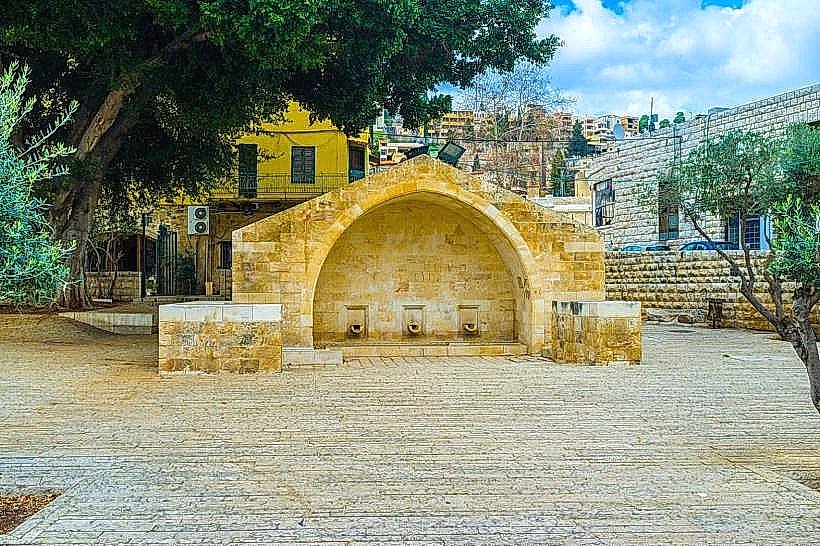
Mary's Well – 1.2km North
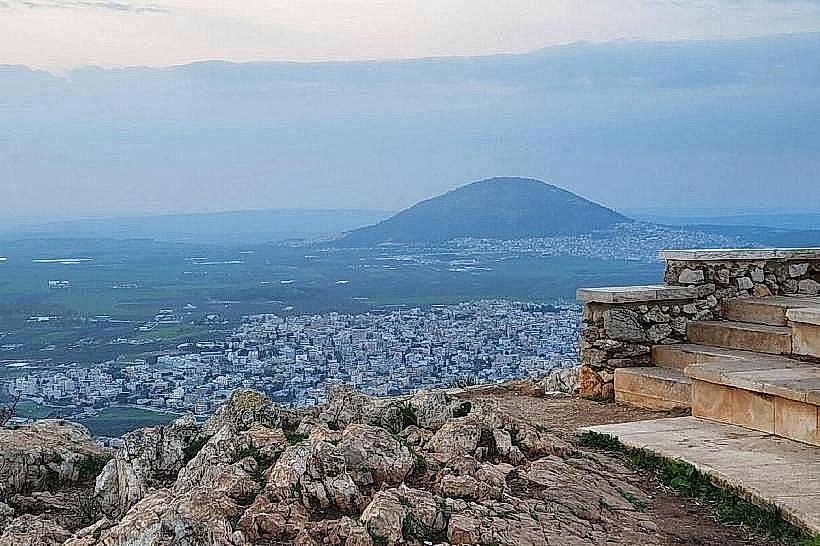
Mount of Precipice – 2.5km South
Nazareth Old City Market – 0.8km Northeast