Landmark: Mount Precipice (Mount Kedumim)
City: Nazareth
Country: Israel
Continent: Asia
Mount Precipice (Mount Kedumim), Nazareth, Israel, Asia
Mount Precipice, also known as Mount Kedumim, is a prominent limestone ridge on the southern outskirts of Nazareth. It is traditionally identified as the site where an angry mob attempted to throw Jesus off a cliff after his proclamation in the Nazareth synagogue.
Visual Characteristics
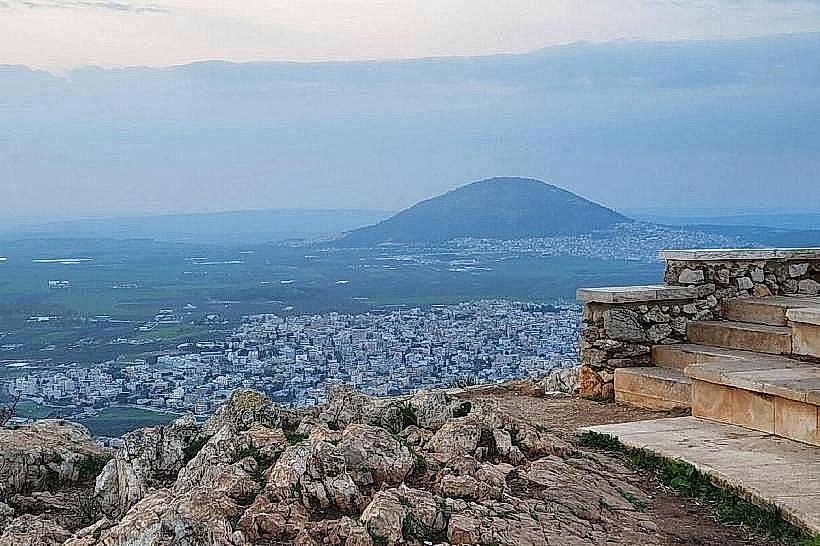
The site is a sheer cliff dropping approximately 397 meters into the Jezreel Valley below. The summit features a modern, stone-paved observation plaza with rounded amphitheater-style seating and a series of metal railings along the precipice. The terrain is typical of the Lower Galilee, composed of rugged Eocene limestone and dolomite, covered with scrub brush, pine trees, and seasonal wildflowers. A large, stylized metal sculpture and a "Forest of the Popes" are located near the entrance.
Location & Access Logistics
Mount Precipice is situated about 2km south of Nazareth’s city center. It is accessible via a dedicated paved road that branches off the main southern entrance to the city (Route 60). A large, free parking lot is available at the end of the access road, from which a flat, paved 500-meter path leads to the main lookout point. Public transport is limited; most visitors arrive via private vehicle, tour bus, or by hiking the Gospel Trail.
Historical & Ecological Origin
Geologically, the mount is part of the Nazareth range, offering a strategic vantage point over the tectonic depression of the Jezreel Valley. In 2009, the site underwent significant infrastructure development, including the construction of an outdoor theater for the visit of Pope Benedict XVI. Archaeologically, the nearby Qafzeh Cave (located on the slopes of the mountain) has yielded some of the world's most significant prehistoric human remains, dating back approximately 100,000 years.
Key Highlights & Activities
The primary highlight is the 360-degree panoramic view, which encompasses Mount Tabor, the Hill of Moreh, the Gilboa Mountains, and the city of Afula. The site is a key station on the Gospel Trail, a 65km hiking route connecting Nazareth to the Sea of Galilee. Visitors can explore the various walking paths that wind through the reforestation projects on the mountain’s southern slope. It is a popular spot for birdwatching during the migration seasons.
Infrastructure & Amenities
The observation area is modern and well-maintained, featuring informative placards in multiple languages. Public restrooms are available near the parking area. The main path and the lookout plaza are ADA-compliant, providing wheelchair access to the primary views. There are no permanent food vendors on the mountain, so visitors should bring water. The site has full 5G cellular coverage.
Best Time to Visit
The site is open 24 hours a day and is free of charge. The optimal time for photography is sunrise, as the sun climbs over Mount Tabor and illuminates the Jezreel Valley. Late afternoon also offers soft lighting on the Nazareth skyline to the north. Spring (February–April) is the best season for hiking, as the mountain is covered in anemones and orchids.
Facts & Legends
According to the New Testament account in the Gospel of Luke, Jesus passed through the midst of the crowd and disappeared before they could cast him down. A local legend suggests that Jesus leaped from the mountain and landed safely in the valley below, leading some to call the site "The Leap of the Lord." Another historical fact is that the ancient cave on this mountain provided the first evidence of intentional human burial with grave goods in the region.
Nearby Landmarks
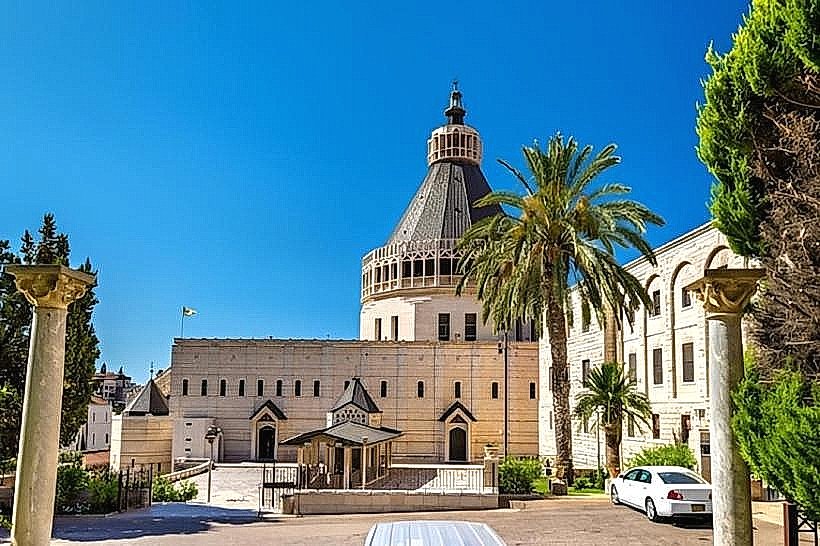
Basilica of the Annunciation – 2.5km North
Mount Tabor – 9.0km East
Nazareth Village – 2.3km North
Iksal Village – 1.2km South (at the foot of the mountain)
Tel Megiddo – 20.0km Southwest