Information
Landmark: Iglesia de RilanCity: Chiloe
Country: Chile
Continent: South America
Iglesia de Rilan, Chiloe, Chile, South America
The Iglesia de Rilan is a wooden church located on the island of Chiloé, Chile.
It is one of the 16 Chiloé Churches recognized as UNESCO World Heritage sites.
Visual Characteristics
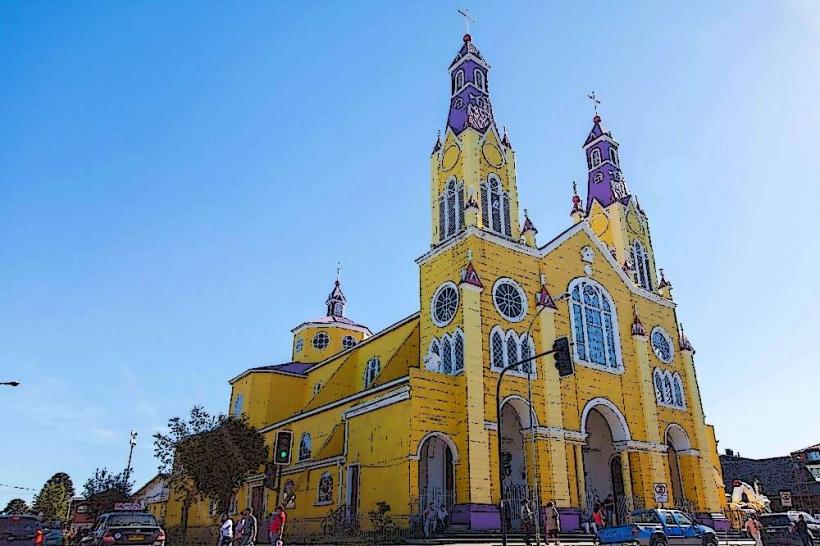
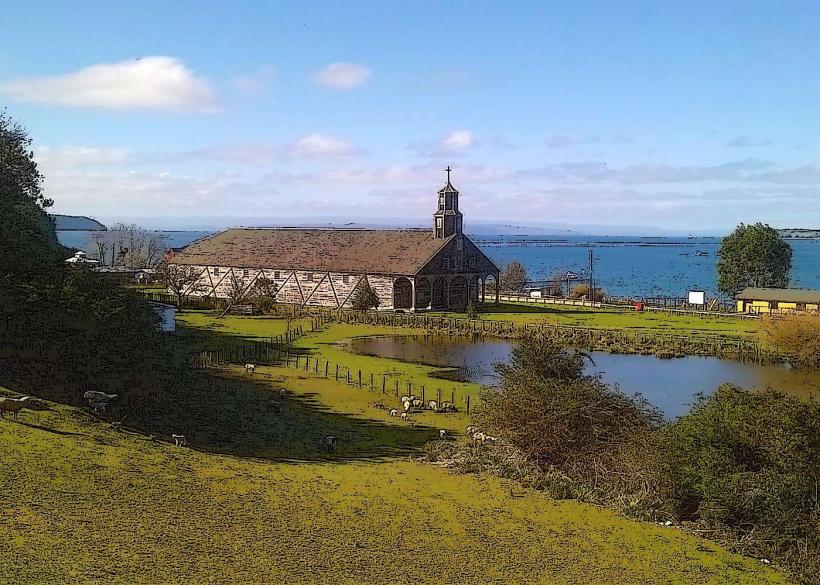
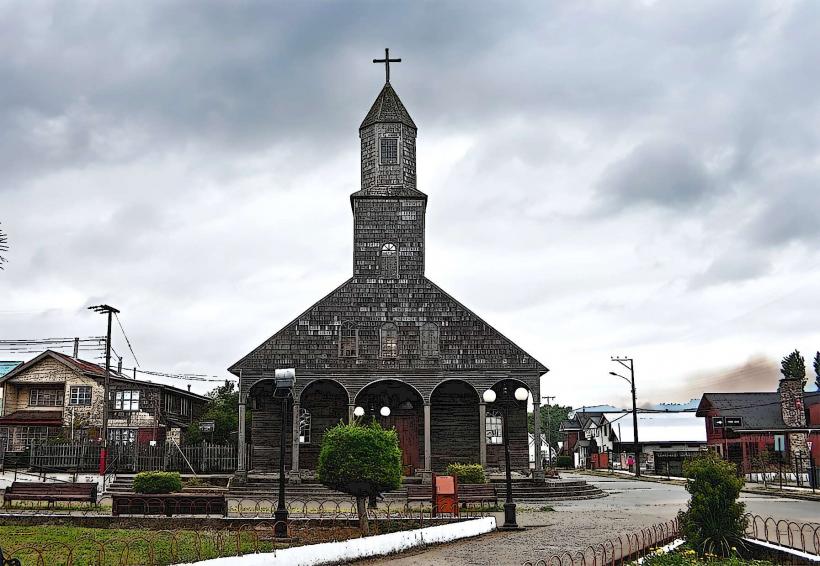
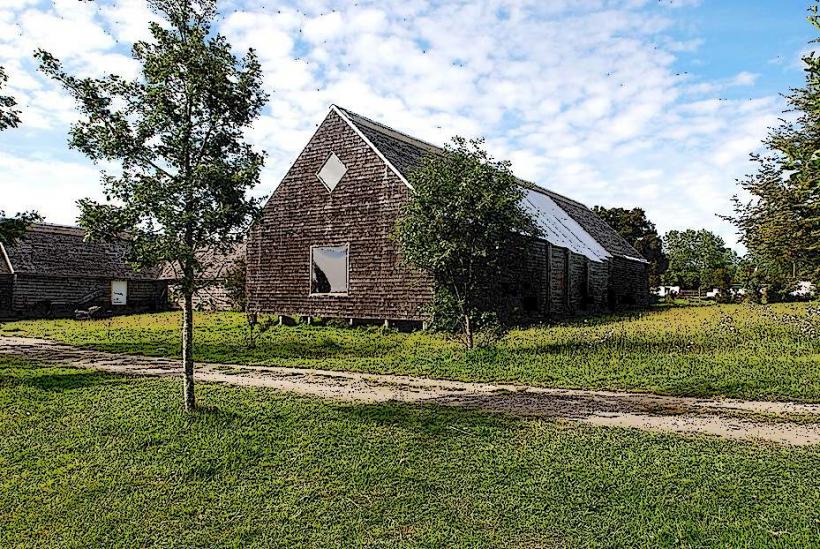
Constructed primarily from wood, the church features a nave and a single bell tower. The exterior is painted a light blue, with white trim around the windows and doors. The roof is made of wooden shingles. The interior walls are also wood-paneled, with a simple altar and pews.
Location & Access Logistics
The church is situated in the village of Rilan, approximately 20 kilometers east of Castro, the capital of Chiloé Province. Access is via the Rilan road (Ruta W-55), which is paved for most of the route. Parking is available on the unpaved area adjacent to the church. Public transport options are limited; local buses from Castro to Rilan may operate, but schedules should be verified locally.
Historical & Ecological Origin
The current Iglesia de Rilan was constructed in the early 20th century, replacing an earlier structure. It was built by local artisans using traditional Chiloé carpentry techniques, a style that developed due to the island's isolation and abundant timber resources. The architectural style is representative of the wooden churches of Chiloé, which blend European religious influences with indigenous building methods.
Key Highlights & Activities
Visitors can observe the church's unique wooden architecture and interior design. The surrounding village offers a glimpse into rural Chiloé life. Photography of the exterior and interior is permitted. No specific guided tours are regularly scheduled, but local residents may be available to provide information.
Infrastructure & Amenities
Restrooms are not consistently available at the church site. Shade is limited to the immediate vicinity of the church building. Cell phone signal (4G/5G) is generally available in the Rilan area. Food vendors are not present at the church; dining options are available in Castro.
Best Time to Visit
The best time of day for photography is late morning or early afternoon when sunlight illuminates the church's facade. The months of December to March offer the most favorable weather conditions with less rainfall and milder temperatures. There are no tide-dependent access requirements.
Facts & Legends
A local anecdote suggests that the specific shade of blue used for the exterior paint was chosen to ward off evil spirits, a belief common in some older Chiloé traditions. The church is a focal point for local religious festivals, particularly during the patron saint's day.
Nearby Landmarks
- Iglesia de Castro (19km West)
- Museo de Arte Moderno Chiloé (19.5km West)
- Plaza de Armas de Castro (20km West)
- Fuerte San Miguel de Agüí (25km Southwest)