Information
Landmark: Playa de CucaoCity: Chiloe
Country: Chile
Continent: South America
Playa de Cucao, Chiloe, Chile, South America
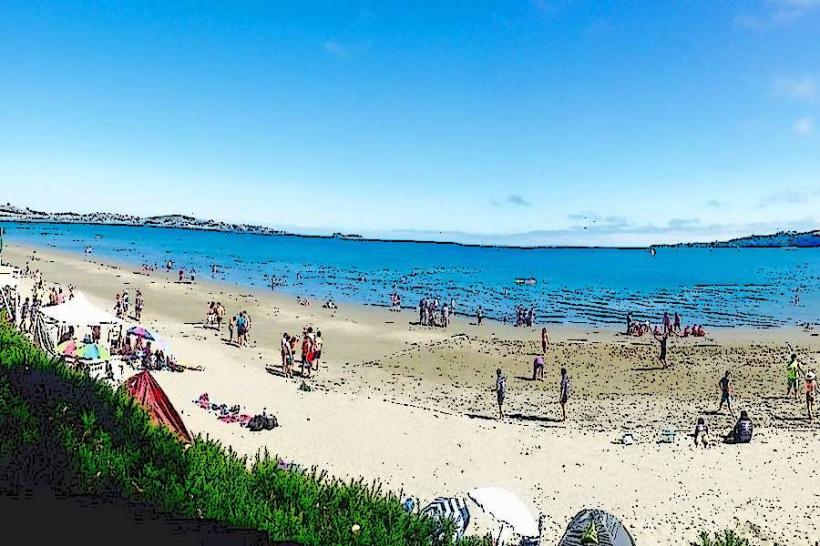
Playa de Cucao is a coastal area located on the western side of Chiloe Island, Chile.
It is characterized by its extensive sandy beach and proximity to the Pacific Ocean.
Visual Characteristics
The beach consists of a wide expanse of light brown sand, approximately 10 kilometers in length. Dunes covered with low-lying vegetation border the landward side. The ocean water is typically a grey-blue, with moderate wave action. The coastline is generally flat, with occasional rocky outcrops at the southern end.
Location & Access Logistics
Playa de Cucao is situated approximately 35 kilometers west of the city of Castro. Access is via Route W-85, a paved road, which leads directly to the beach. Parking is available in designated unpaved areas adjacent to the beach access points. Public transport options are limited; bus line 7 from Castro to Cucao operates a limited schedule, with the final stop being near the beach.
Historical & Ecological Origin
Playa de Cucao is a natural formation, part of the coastal plain of Chiloe Island. Its geological origin is primarily sedimentary, shaped by oceanic currents and wind erosion over millennia. Ecologically, it is a coastal wetland and dune system, supporting specific flora and fauna adapted to saline environments.
Key Highlights & Activities
Walking the length of the beach is a primary activity. Birdwatching is possible, particularly for shorebirds. Photography of the coastal landscape is feasible. Access to the nearby Cucao National Park trails is available from the southern end of the beach.
Infrastructure & Amenities
Restrooms are available at designated parking areas. Limited shade is provided by natural dune vegetation. Cell phone signal (4G) is intermittent. Food vendors are not present directly on the beach; provisions should be made in Castro or Cucao village.
Best Time to Visit
For photography, early morning or late afternoon light offers optimal conditions. The months of December through March (summer in the Southern Hemisphere) generally provide the most stable weather. Tidal conditions do not significantly impact beach access, but can affect the width of the sandy area.
Facts & Legends
Local folklore speaks of the "Trauco," a mythical creature said to inhabit the forests surrounding Cucao, influencing the fertility of the land and the behavior of animals. A verified historical note is the presence of shipwrecks along this coast, attributed to the treacherous currents and fog.
Nearby Landmarks
- Cucao National Park (0.1km South)
- Chiloé National Park Visitor Center (1km South)
- Laguna de Cucao (2km East)
- Muelle de Cucao (2km East)
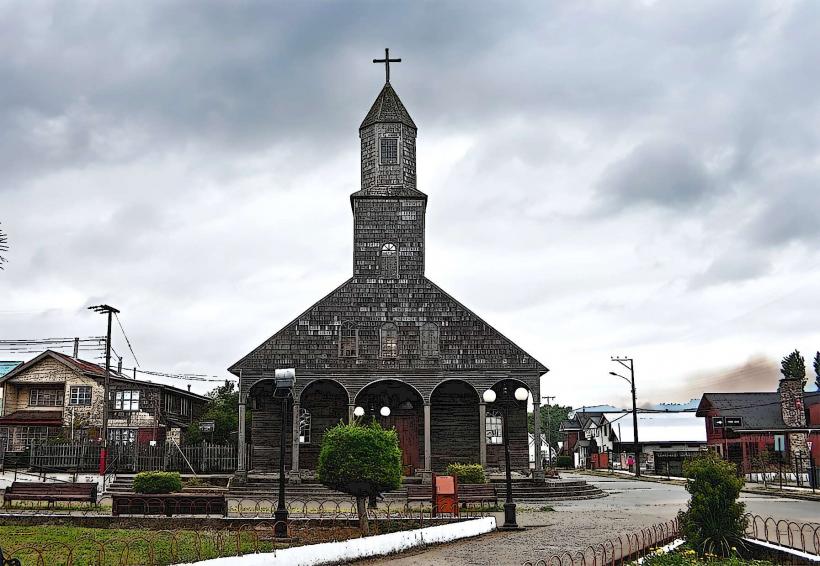
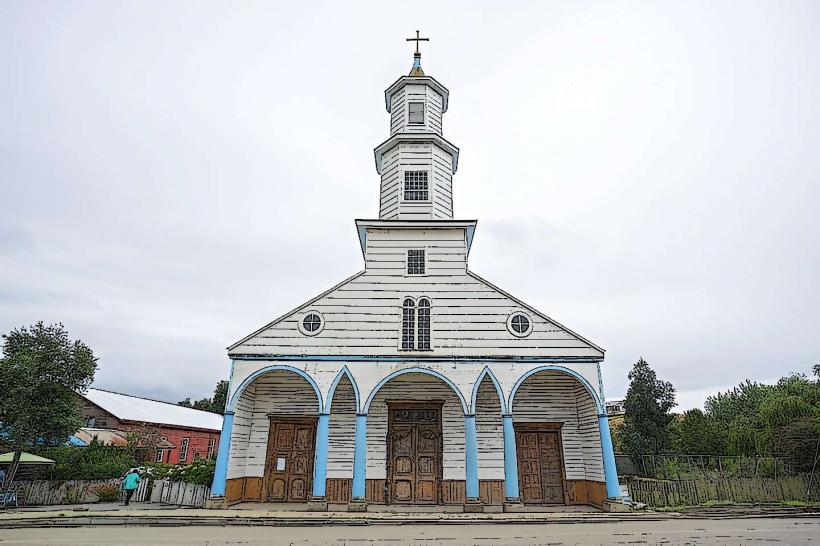
- Church of Cucao (2km East)