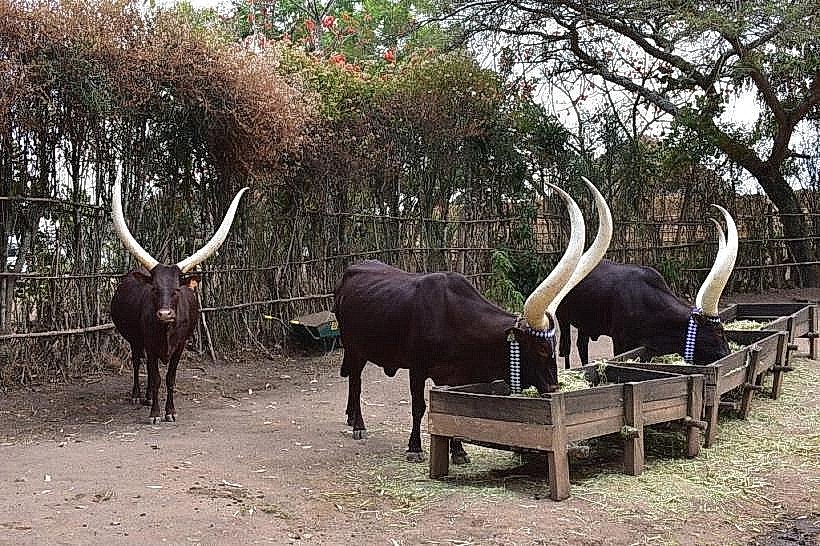
Landmark: Inyambo Cows Heritage
City: Nyanza
Country: Rwanda
Continent: Africa
Inyambo Cows Heritage, Nyanza, Rwanda, Africa
Inyambo cattle are a specialized breed of the Sanga cattle family (Bos taurus africanus), distinguished by their exceptionally large, lyre-shaped horns and their historical role as "Royal Cows" within the Kingdom of Rwanda. They are a primary cultural symbol of the Nyanza District and the broader Rwandan identity.
Visual Characteristics
Inyambo are characterized by their massive, symmetrical white horns, which can reach a span of over two meters. They typically possess a dark reddish-brown or "sanga" coat and a prominent thoracic hump. Unlike standard cattle, Inyambo are bred for aesthetic and symbolic stature rather than meat or milk production; they exhibit a slender, elegant frame and a disciplined, rhythmic gait developed through traditional training.
Location & Access Logistics
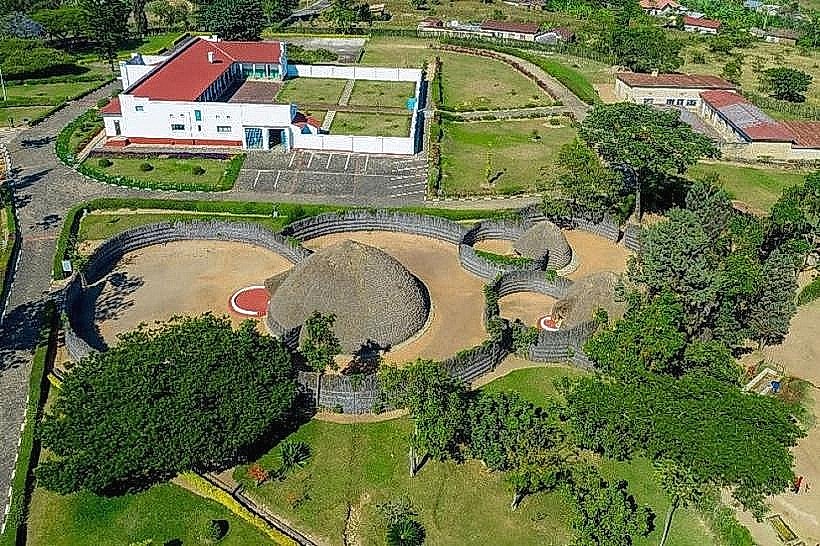
The primary herd is maintained at the King's Palace Museum in Rukari, Nyanza, approximately 85km south of Kigali. They are kept in a traditional royal kraal (ikibuguzo) located within the museum's rear courtyard. Visitors can access the site via the RN1 highway to Nyanza town. Entry is included with the museum admission ticket. The cattle are brought into the main viewing area daily between 08:30 and 17:00.
Historical & Ecological Origin
The Inyambo were selectively bred over centuries specifically for the Rwandan monarchy. They are descendants of the broader Sanga cattle that migrated with Nilotic and Bantu populations into the Great Lakes region. Historically, they were not used for labor; instead, they were "consecrated" to the King (Mwami). The breed nearly faced extinction during the 1994 Genocide against the Tutsi but has been restored through dedicated conservation programs at the Rwanda Agriculture Board (RAB) and the National Museums of Rwanda.
Key Highlights & Activities
Visitors can observe the Inyambo Parade, where the cattle are led by traditional keepers (abashumba). A unique cultural highlight is the Amakondera (traditional horn music) and the singing of Amazina y'Inka (cattle poems), which are performed to soothe and direct the animals. Visitors are permitted to photograph the cattle from a designated distance and observe the meticulous grooming and horn-polishing routines performed by the keepers.
Infrastructure & Amenities
The royal kraal features traditional thatched shelters and clean-water troughs designed to match 19th-century standards. The area is integrated into the larger King's Palace Museum complex, providing access to restrooms, a cafeteria, and guided tour services. The terrain is flat and paved with volcanic stone or short-grass turf, making it accessible for most visitors. 4G and 5G cellular signals are stable throughout the viewing area.
Best Time to Visit
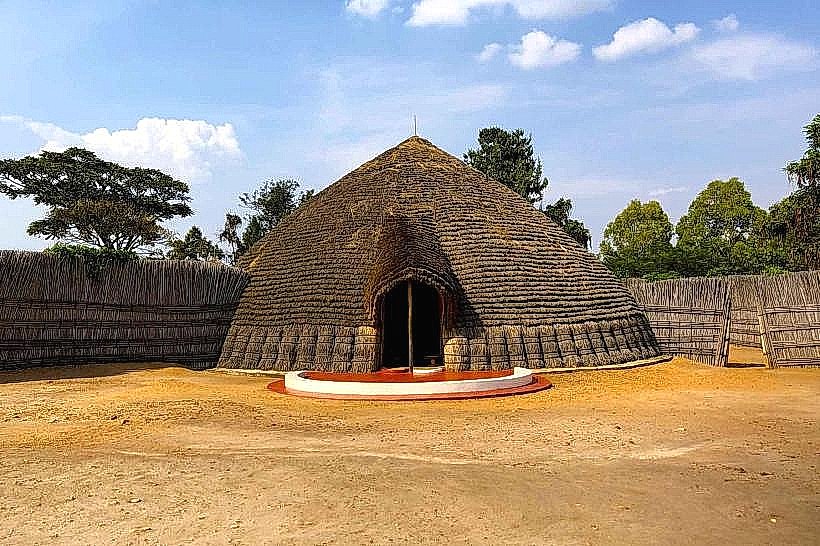
The optimal time to view the Inyambo is between 09:00 and 11:00, when the keepers perform the morning grooming and singing rituals. This period also offers the best natural light for capturing the scale of their horns against the traditional reed palace background. During the heat of the afternoon (12:00–14:00), the cattle often retreat to the shade of the thatched kraal.
Facts & Legends
Inyambo were historically trained to "dance" by lifting their legs in synchronization with the rhythmic chants of their keepers. Legend holds that the most beautiful Inyambo were named after Rwandan queens and were never allowed to be sold or slaughtered. A specific tip for visitors: while the Inyambo are generally docile and accustomed to humans, they are sensitive to sudden loud noises or rapid movements near their horns.
Nearby Landmarks
King's Palace Museum (Rukari) – 0.1km (On-site)
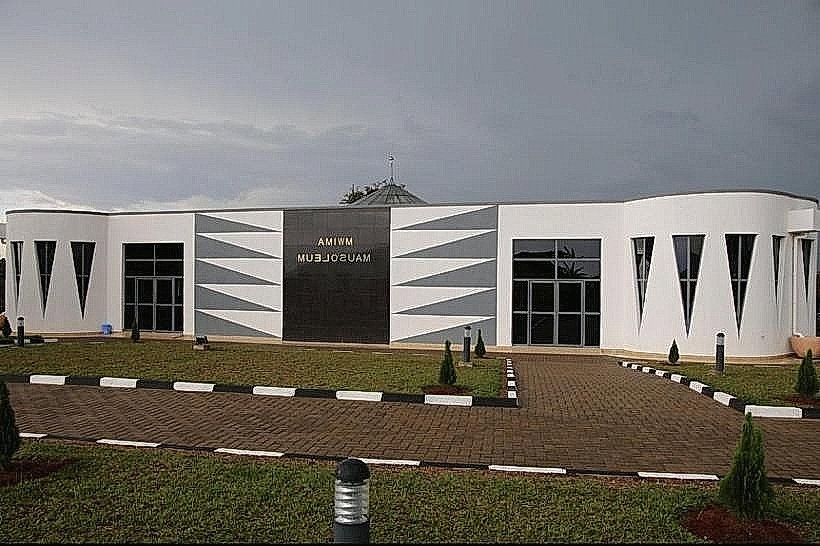
Mwima Mausoleum – 1.0km West
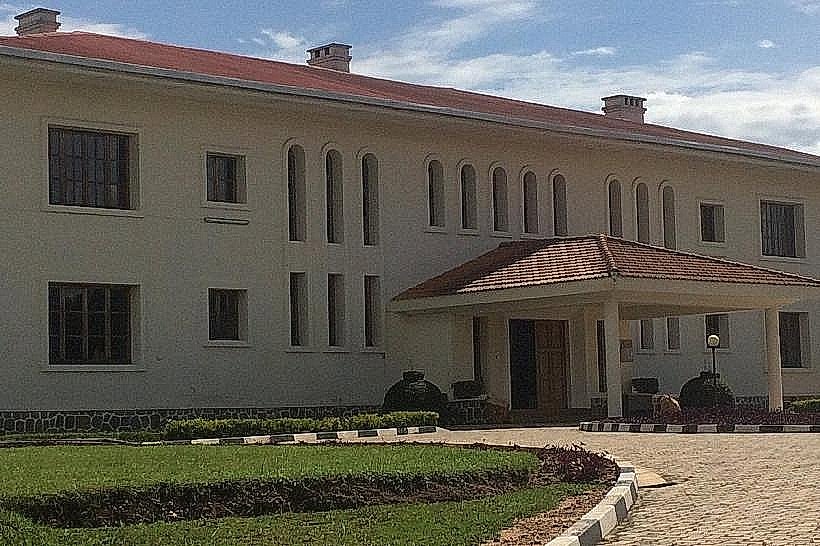
Rwanda Art Museum – 2.5km North
Nyanza Town Center – 2.0km Northeast
Heritage Park – 0.2km South