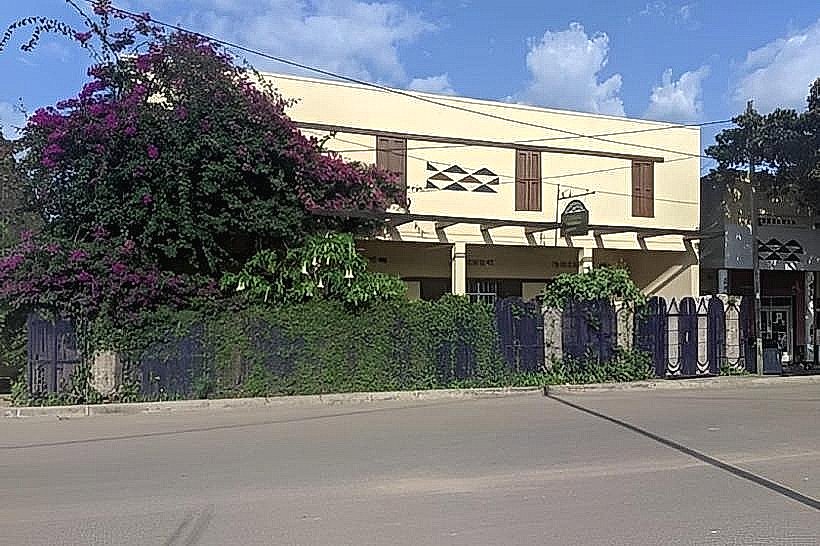
Landmark: Rwanda African Art Museum
City: Nyanza
Country: Rwanda
Continent: Africa
Rwanda African Art Museum, Nyanza, Rwanda, Africa
Mushiraruru is a specific geological and historical site located within the Huye District of southern Rwanda. It is recognized as a deep, natural cavern or rock formation situated on the slopes of the Huye mountain range, traditionally associated with ancestral rituals and regional folklore.
Visual Characteristics
The site is defined by a massive granite or metamorphic rock overhang that forms a natural sheltered enclosure. The surrounding terrain is characterized by steep, rugged slopes, dense high-altitude shrubs, and pockets of indigenous forest. The interior of the formation is typically cool and shaded, featuring dark, moss-covered stone surfaces and a floor composed of weathered rock fragments and organic sediment.
Location & Access Logistics
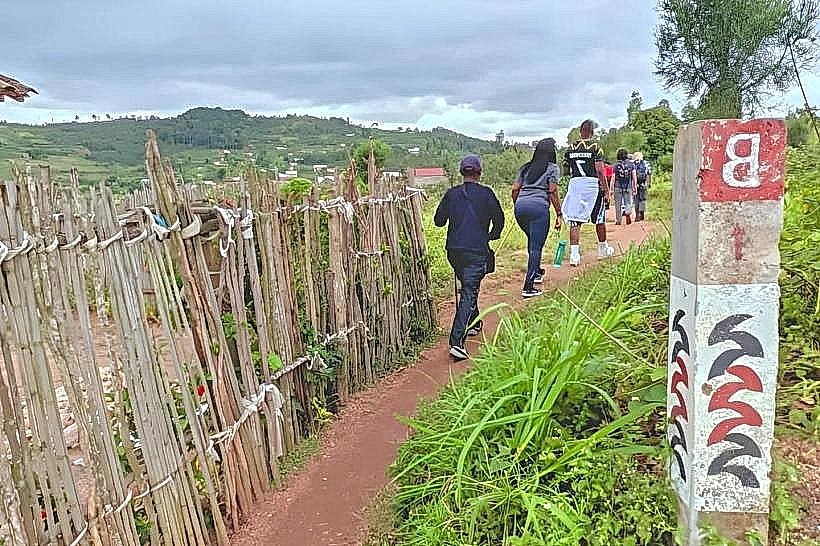
Mushiraruru is situated approximately 7km west of Huye (Butare) town, located at a higher elevation than the Huye Mountain Coffee station. Access requires a specialized hike via narrow, unpaved footpaths that traverse the Ibisi bya Huye mountain range. There is no direct vehicular access; visitors typically park at the base of the mountain or near the coffee washing station and continue on foot with a local guide. The climb is considered moderately strenuous due to the incline and uneven rocky terrain.
Historical & Ecological Origin
Geologically, the formation is part of the ancient crystalline basement of the Albertine Rift. Historically, Mushiraruru served as a site of "ubucurabwenge" (genealogical or traditional wisdom) and was used by local inhabitants for shelter and spiritual offerings during the pre-colonial era. In regional oral history, it is cited as a place where ancient warriors or residents sought refuge during periods of conflict, owing to its obscured entrance and natural defensive position.
Key Highlights & Activities
The primary activity is high-altitude trekking and historical exploration. The site offers a vantage point for observing the unique rock strata of the southern highlands. It is a point of interest for those studying Rwandan ethno-history, as it represents the "cave culture" that existed alongside the more prominent monarchical structures in Nyanza and Huye.
Infrastructure & Amenities
There is no modern infrastructure at Mushiraruru. The site remains in its natural state with no paved paths, signage, or restroom facilities. Visitors must carry all necessary supplies, including water and trekking gear. 4G cellular signal is intermittent depending on the specific orientation of the rock face, and there is no electricity or artificial lighting within the cavern.
Best Time to Visit
The dry seasons from June to August and December to February are the only recommended times for visiting, as the steep access paths become dangerously slick during the rains. An early morning start (06:30–08:00) is essential to complete the hike and return before the afternoon fog or rain sets in.
Facts & Legends
Local legends suggest that Mushiraruru was once inhabited by legendary figures who possessed the ability to communicate with the mountain spirits. A specific tip for visitors: it is highly recommended to hire a guide from the local community or the Huye Mountain Coffee cooperative, as the entrance to the formation is easily missed and the mountain trails are not marked.
Nearby Landmarks
Ibisi bya Huye – 1.5km (Upper Ridges)
Huye Mountain Coffee – 3.5km East
Sovu Monastery – 5.2km East
University of Rwanda (Huye Campus) – 8.5km East
Ethnographic Museum of Rwanda – 9.0km East