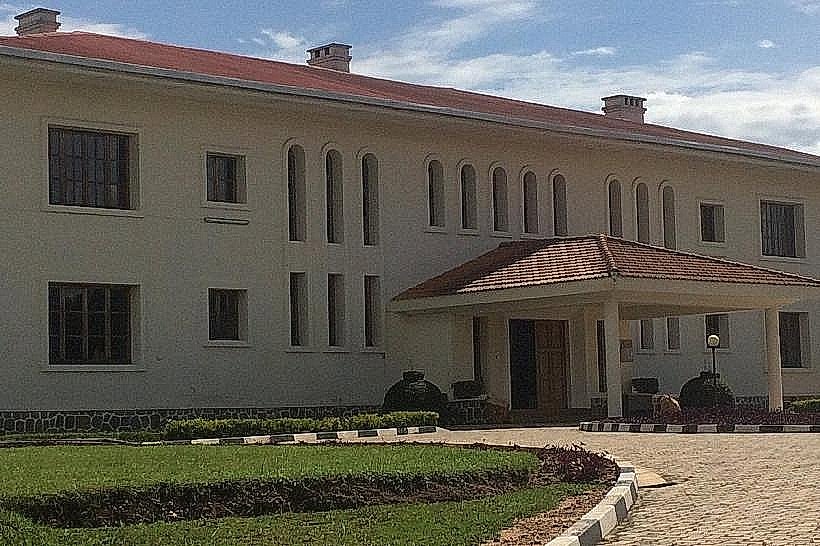
Landmark: National Art Gallery
City: Nyanza
Country: Rwanda
Continent: Africa
National Art Gallery, Nyanza, Rwanda, Africa
The National Art Gallery, officially known as the Rwanda Art Museum, is the country’s premier institution for contemporary and traditional visual arts, located in the Nyanza District of the Southern Province. It serves as a centralized venue for the exhibition, preservation, and promotion of Rwandan artistic evolution from the monarchical era to the modern period.
Visual Characteristics
The museum is housed in a sprawling European-style colonial palace characterized by white masonry walls, red-tiled roofing, and large arched windows. The interior features expansive galleries with high ceilings and polished wood or terrazzo flooring, designed to display large-scale paintings and sculptures. The exterior is defined by 11 hectares of landscaped gardens, including a permanent outdoor sculpture park featuring works by national and international artists.
Location & Access Logistics
The gallery is situated on Rwesero Hill, approximately 2.5km north of the Nyanza town center and 85km south of Kigali. Access is via the main RN1 highway, followed by a well-marked paved road leading to the hilltop. Visitors can reach the site by motorcycle taxi (moto) from the Nyanza bus terminal. On-site paved parking is available for private vehicles and tour operators.
Historical & Ecological Origin
The building was originally commissioned in the late 1950s as a modern palace for King Mutara III Rudahigwa, though he died before its completion. It subsequently served as a government building before being converted into the National Art Gallery in 2006. Geologically, the site occupies a high-altitude metamorphic ridge that offers strategic views of the southern Rwandan highlands.
Key Highlights & Activities
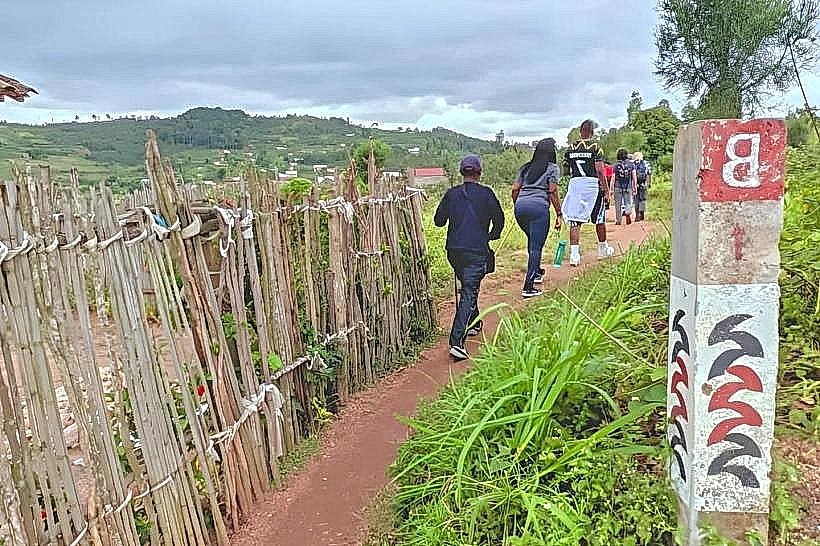
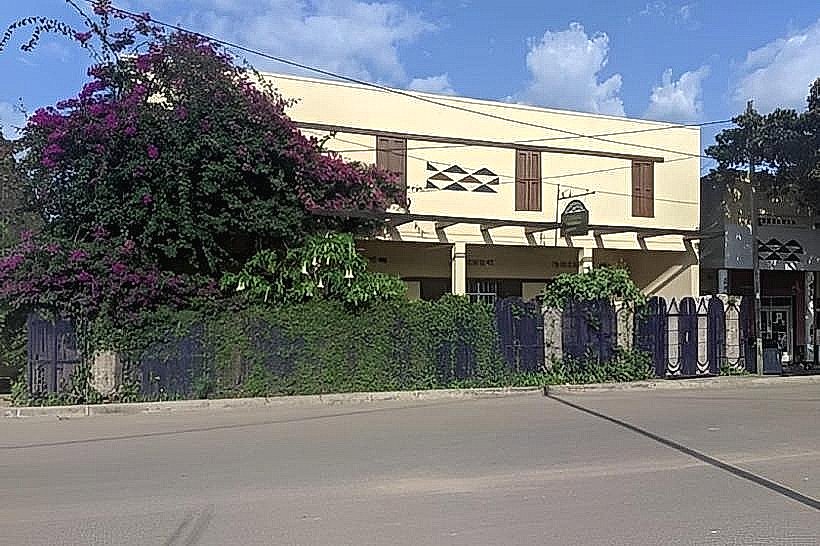
Permanent exhibitions include a diverse collection of contemporary Rwandan paintings, ceramics, and experimental mixed-media works. Guided tours provide technical analysis of the "Imigongo" traditional geometric art style and its modern applications. The outdoor sculpture trail allows for self-guided exploration of large-scale stone and metal installations set against the backdrop of the Nyanza valley.
Infrastructure & Amenities
The museum complex features a dedicated children’s art studio, a small library, and modern public restrooms. Shade is provided by the wide verandas of the palace and mature indigenous trees in the sculpture garden. 4G and 5G cellular signals are stable across the hill. A small café is located near the entrance, and the facility is equipped with ramps for limited wheelchair access.
Best Time to Visit
The gallery is open daily from 08:00 to 18:00. Mid-morning (09:00–11:00) is the optimal time for photography, as the natural light enhances the textures of the outdoor sculptures and the palace architecture. Visiting during the dry season (June to August) is recommended to fully utilize the extensive outdoor garden trails.
Facts & Legends
The building is often referred to as the "Palace that never was" because King Mutara III passed away in Bujumbura shortly before he was scheduled to move in. A specific tip for visitors: the upper balcony of the museum provides one of the best vantage points for viewing the Mwima Mausoleum and the King's Palace Museum on the opposite hills.
Nearby Landmarks
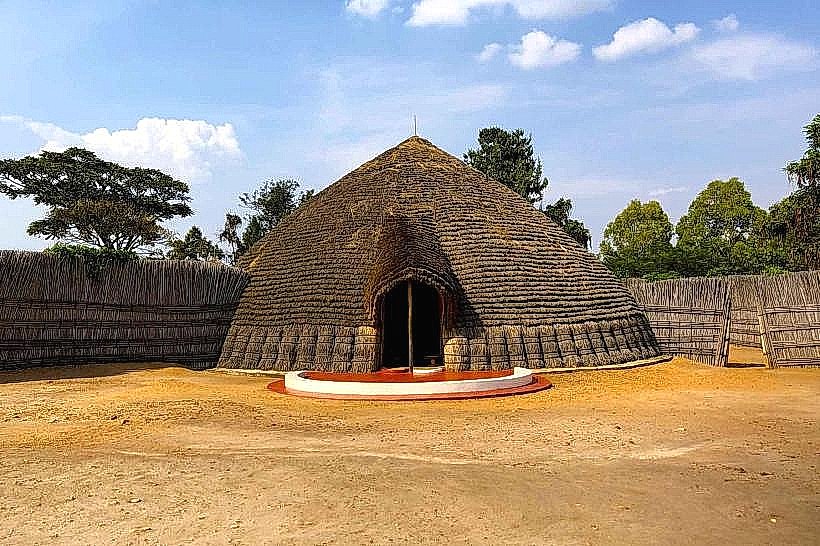
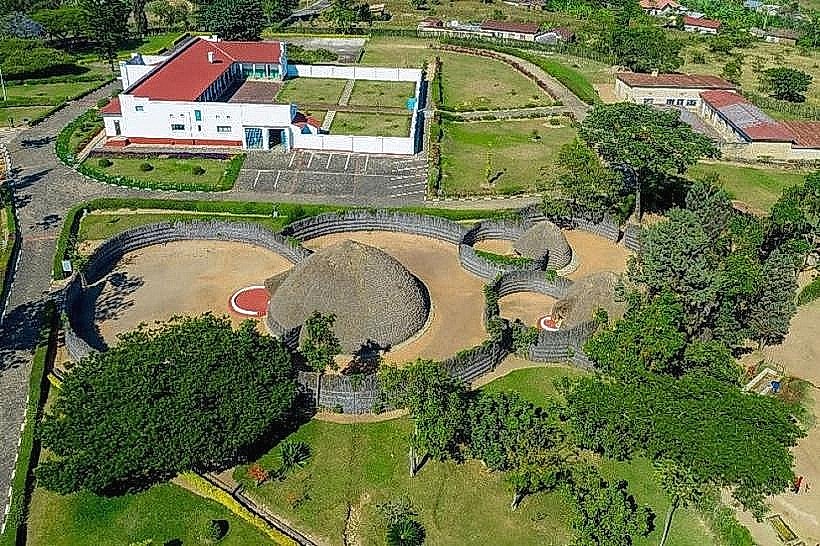
King's Palace Museum (Rukari) – 2.5km South
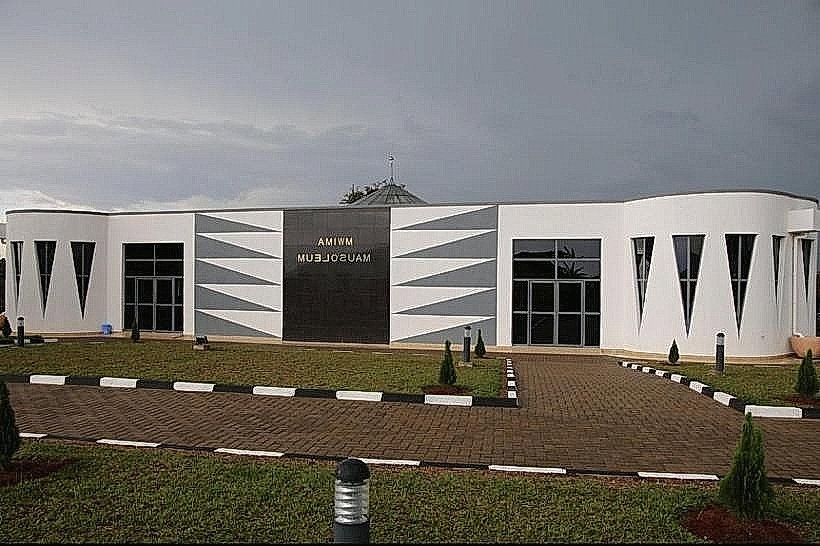
Mwima Mausoleum – 1.8km Southwest
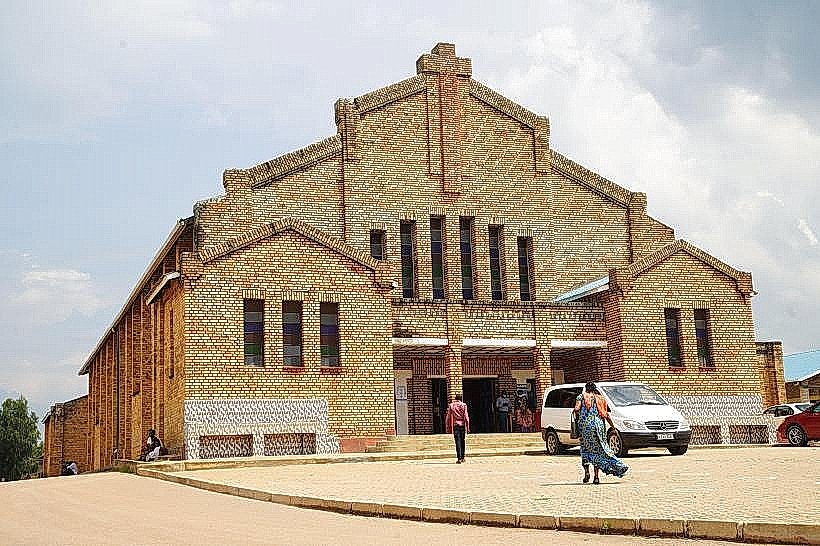
Christ the King Cathedral – 2.2km Southeast
Nyanza Market – 2.5km Southeast
Nyanza Genocide Memorial – 3.2km Southeast