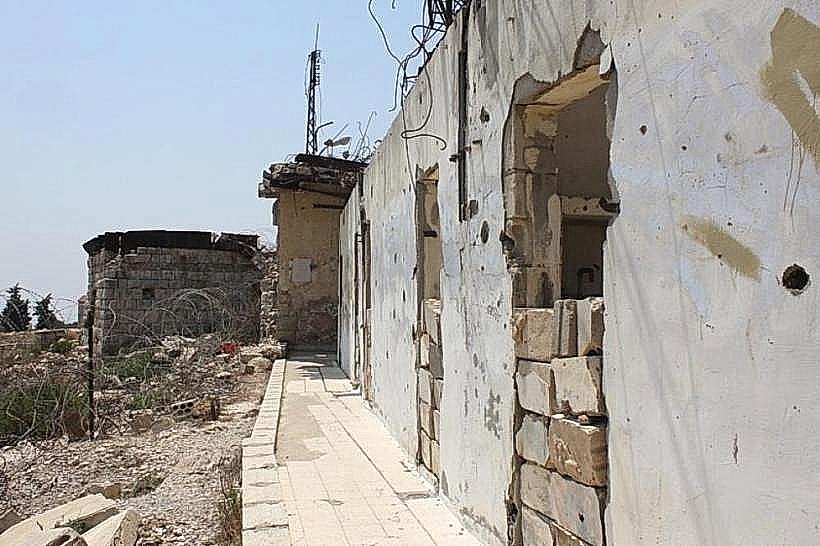
Landmark: Khiam Detention Center Memorial
City: Nabatieh
Country: Lebanon
Continent: Asia
Khiam Detention Center Memorial, Nabatieh, Lebanon, Asia
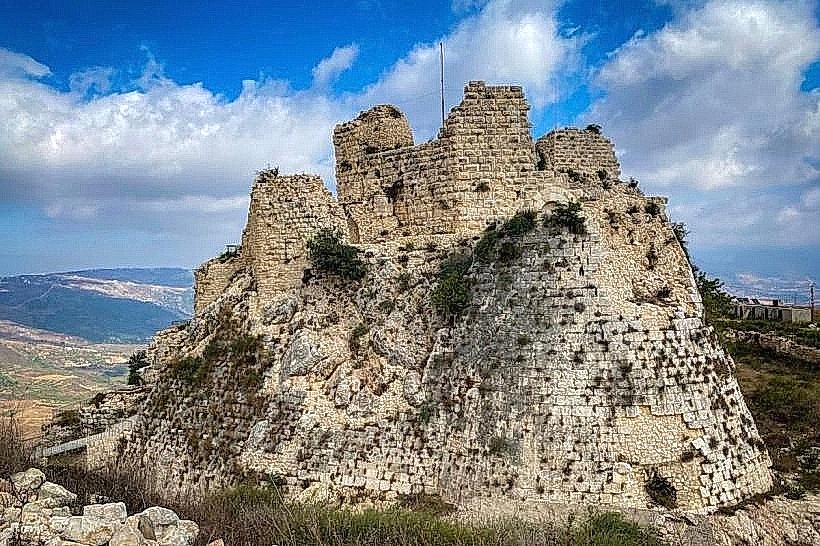
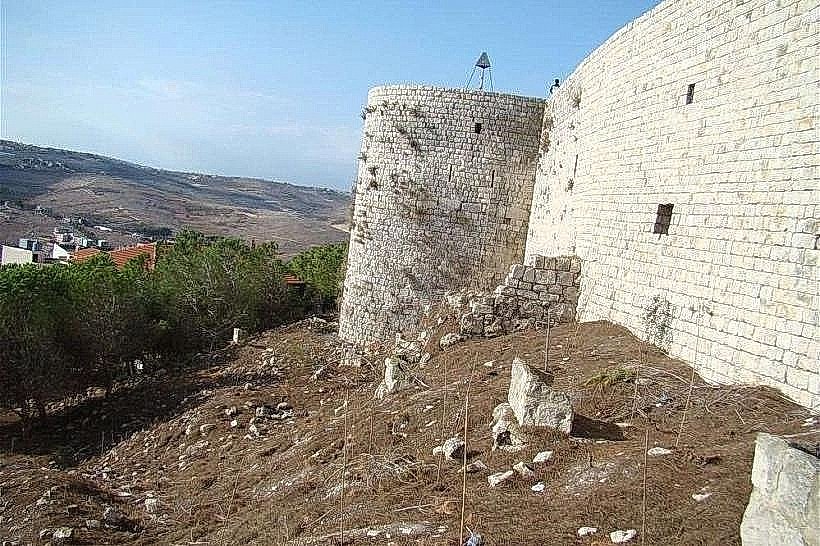
The Khiam Detention Center Memorial is a historical site and former military barracks located on a strategic ridge on the outskirts of the town of Khiam within the Nabatieh Governorate of Southern Lebanon. The complex serves as a memorial dedicated to preserving the history of political imprisonment and interrogation activities that occurred in the region during the late 20th century.
Visual Characteristics
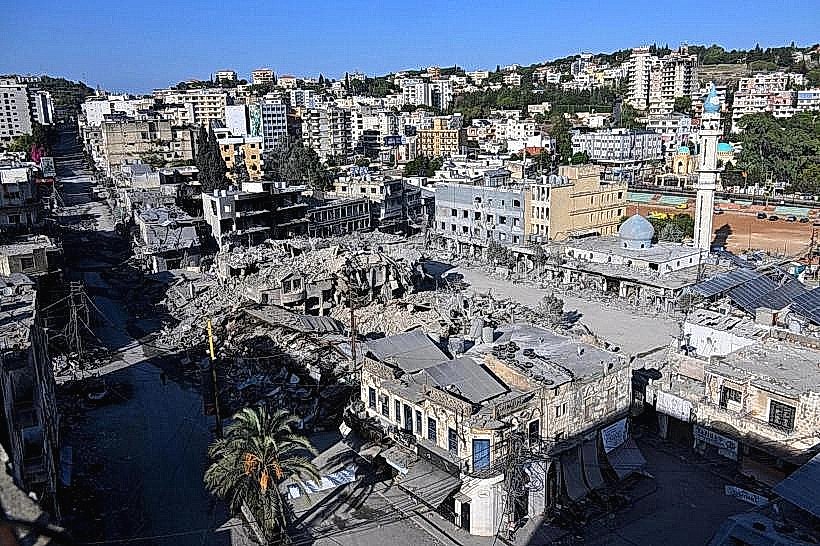
The Khiam Detention Center Memorial consists of heavily damaged concrete and stone masonry structures originally built as military barracks. The physical remains include concrete cell blocks, narrow corrugated iron corridors, reinforced interrogation rooms, and wire-fenced courtyard perimeters. The site exhibits extensive structural destruction, with collapsed roof sections, exposed reinforcement bars, and pulverized concrete surfaces caused by subsequent military operations. The aesthetic is raw and industrial, dominated by grey concrete, rusted iron fixtures, and weathered limestone foundations surrounded by dry, low-lying Mediterranean grasses.
Location & Access Logistics
The site is situated approximately 100 kilometers south of Beirut and roughly 35 kilometers southeast of Nabatieh. Access from Beirut follows the Southern Coastal Highway south to Saida, transitioning inland past Nabatieh toward Marjayoun via the Nabatieh-Marjayoun Road, then following municipal paved routes ascending eastward into the town of Khiam. Private vehicles can park on unpaved gravel shoulders directly outside the entrance gates of the complex. Public transit options are restricted to regional shared vans traveling to Marjayoun or Hasbaya, requiring a secondary private taxi hire to cover the remaining distance to the ridge.
Historical & Ecological Origin
The compound was originally constructed in 1933 by the French Mandate forces to serve as a military fortress and barracks. Following Lebanese independence in 1943, the facility was transferred to the Lebanese Army, which utilized it until the outbreak of the Lebanese Civil War. In 1985, the site was captured and transformed into a permanent interrogation and detention facility operated by the South Lebanon Army (SLA) militia with external support during the South Lebanon conflict. The prison ceased operations during the military withdrawal of May 2000, after which it was preserved as a memorial museum; however, the majority of the standing infrastructure was destroyed during regional air strikes in 2006.
Key Highlights & Activities
Surveying the structural remains of the solitary confinement cells and communal holding units.
Inspecting the surviving interrogation rooms and structural infrastructure spared by military damage.
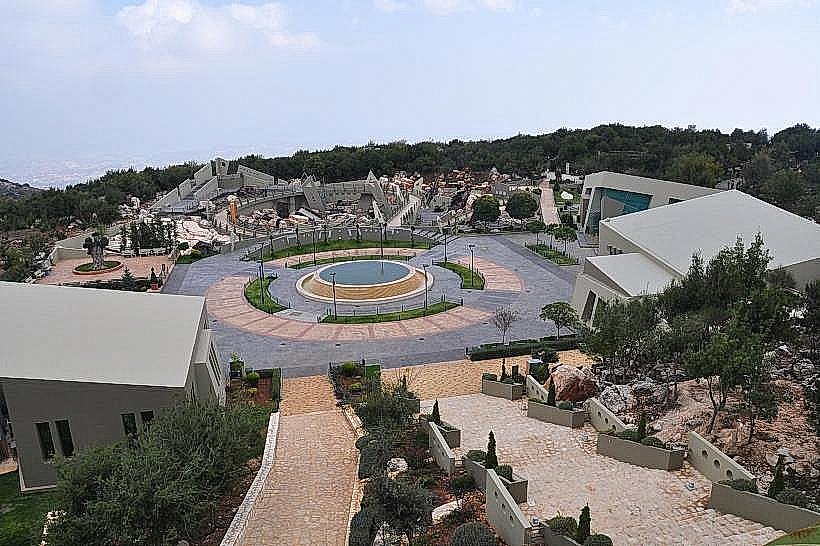
Examining the outdoor displays of decommissioned heavy hardware and structural relics on the central grounds.
Observing the panoramic geographic layout of the Hula Valley and Mount Hermon from the open northern ridge boundaries.
Infrastructure & Amenities
The Khiam Detention Center Memorial is managed as an open-air historical site with baseline public accommodations. The entrance area features basic descriptive plaques and directional stone markers, but lacks an operational indoor visitor center or ticketing checkpoint. Public restroom facilities are not available within the immediate ruins. Due to its elevated ridge position, cell phone connectivity remains stable, providing reliable 4G and 5G network coverage. No commercial food stalls or beverage vendors operate inside the heritage perimeter, but full amenities are available in the town center of Khiam 2 kilometers away.
Best Time to Visit
The optimal period for field observation is from April to October when seasonal mountain weather remains dry and pedestrian paths are fully accessible. Photography is most effective during the late afternoon hours between 16:00 and 18:00, when low-angle sunlight emphasizes the texture of the fractured concrete walls and casts sharp shadows across the ruined cell tracks.
Facts & Legends
The site historically operated outside traditional judicial frameworks, holding thousands of detainees without formal warrants or legal trials between 1985 and 2000. Local oral histories frequently recount the sudden, unannounced evacuation of the facility on May 23, 2000, when regional residents and fleeing prisoners physically breached the perimeter gates hours before the official declaration of military withdrawal, an event widely celebrated across Southern Lebanon as a key symbol of the end of the occupation era.
Nearby Landmarks
Marjayoun Historic Town Center: 6.5km West
Litani River Gorge Overlook: 5.2km Northwest
Hasbaya Chehab Emirate Palace: 11.5km North
Wazzani River Springs: 8.0km South