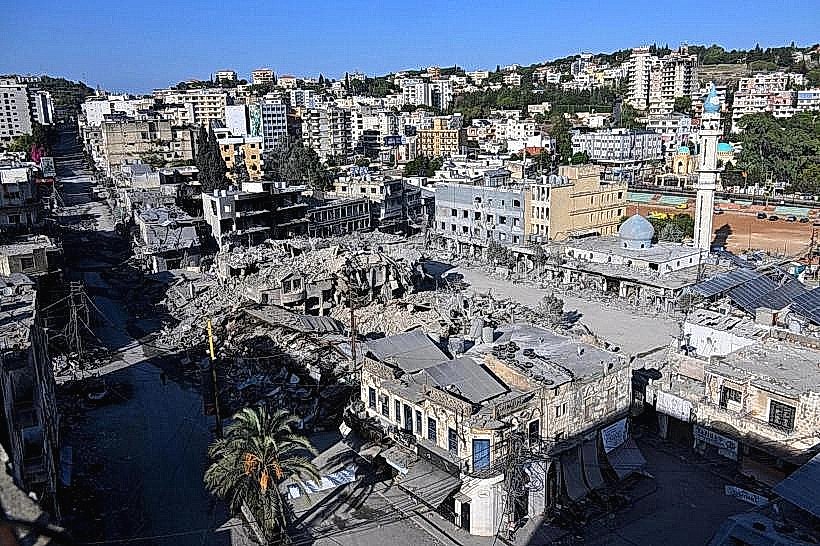
Landmark: Sheikh Kanjo Serail
City: Nabatieh
Country: Lebanon
Continent: Asia
Sheikh Kanjo Serail, Nabatieh, Lebanon, Asia
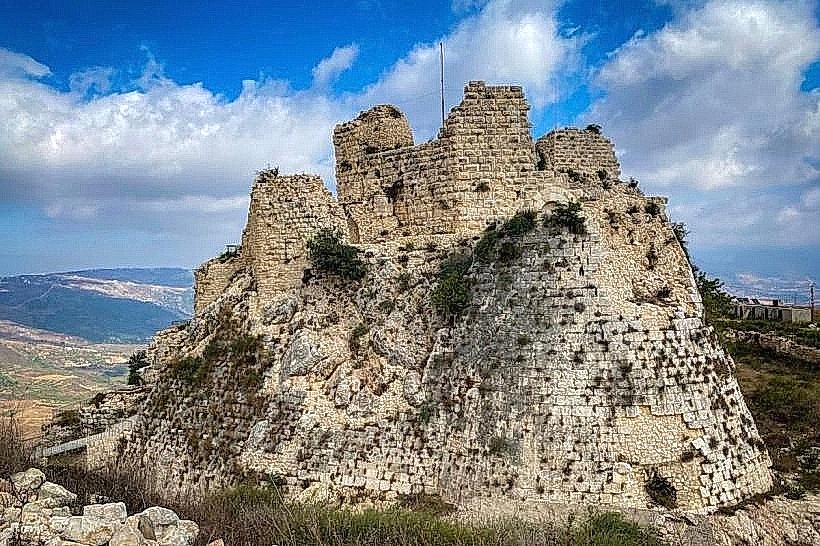
The Beaufort Castle, known locally as Qalaat al-Shaqif, is a medieval fortress situated adjacent to the village of Arnoun within the Nabatieh Governorate of Southern Lebanon. The site occupies a sharp rocky spur cresting a 300-meter-tall vertical cliff that overlooks the Litani River gorge and the adjacent upper Galilee corridor.
Visual Characteristics
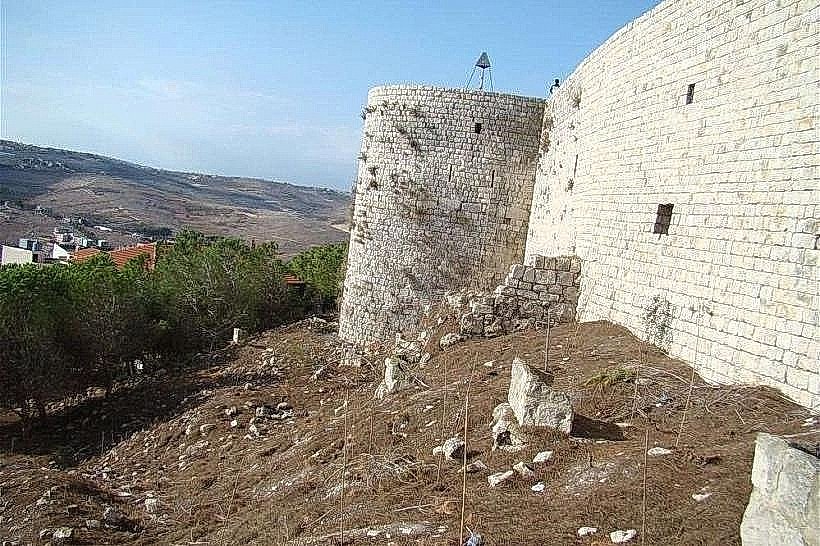
The Beaufort Castle (Qalaat al-Shaqif) is built directly into the natural topography using localized ashlar limestone masonry blocks. The fortress features a multi-tiered configuration consisting of an upper keep, a lower ward, rounded defensive towers, thick curtain walls, and a deep dry moat cut straight into the southern bedrock. The stones display distinct variations in texture, ranging from heavily weathered, coarse-faced Crusader blocks to smoother, fine-jointed Arab and Mamluk restorations. The surrounding terrain drops precipitously on three sides, presenting exposed, light-grey limestone cliff faces with sparse, low-lying Mediterranean scrub vegetation.
Location & Access Logistics
The site is situated roughly 75 kilometers south of Beirut and approximately 7 kilometers southeast of the city of Nabatieh. Access from Beirut is via the Southern Coastal Highway to Saida, transitioning inland past Nabatieh toward the village of Arnoun via the Nabatieh-Arnoun Road. A paved asphalt access road winds steeply up the ridge to a designated municipal parking area located outside the main northern entrance of the archaeological park. Public transport is restricted to regional shared vans operating between Saida and Nabatieh, requiring a secondary private taxi hire to cover the remaining distance to the castle gates.
Historical & Ecological Origin
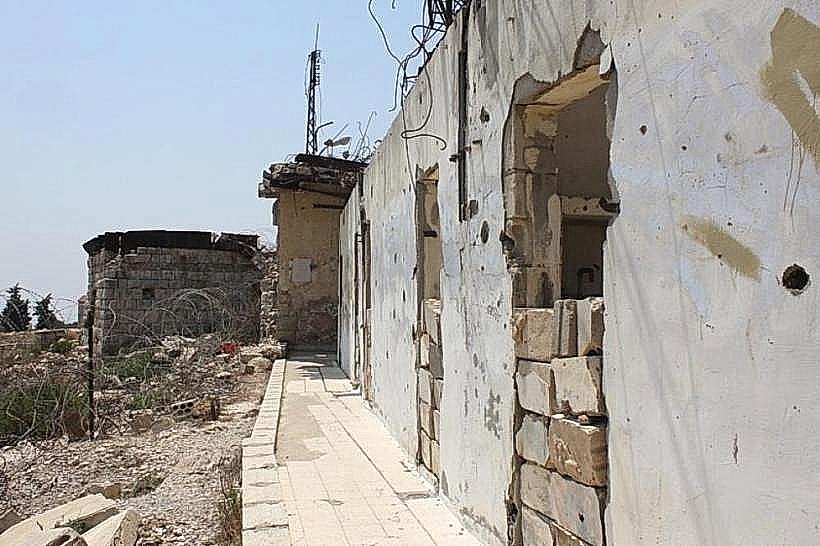
The fortress foundations date to the late 11th century, constructed or heavily fortified by Crusader forces under Fulk, King of Jerusalem, to command the transit route between Tyre and Damascus. The Arabic name Qalaat al-Shaqif translates to "Castle of the High Rock," referencing its position on a geological fault line formed by the Dead Sea Transform system. The stronghold shifted control repeatedly between Crusader barons, Ayyubid governors-most notably captured by Saladin in 1190-and Mamluk sultans. In the late 20th century, the site became highly militarized, serving as a strategic artillery position during regional conflicts before being transferred to civilian archaeological management following restoration projects completed in 2014.
Key Highlights & Activities
Exploring the vaulted underground galleries, stables, and rainwater cistern chambers.
Examining the structural masonry transitions between the 12th-century Crusader keep and 13th-century Mamluk fortifications.
Surveying the wide observation deck of the upper keep, which offers views encompassing Mount Hermon, the Beqaa Valley, and northern Galilee.
Documenting the rock-cut defensive moat running along the southern face of the outer wall line.
Infrastructure & Amenities
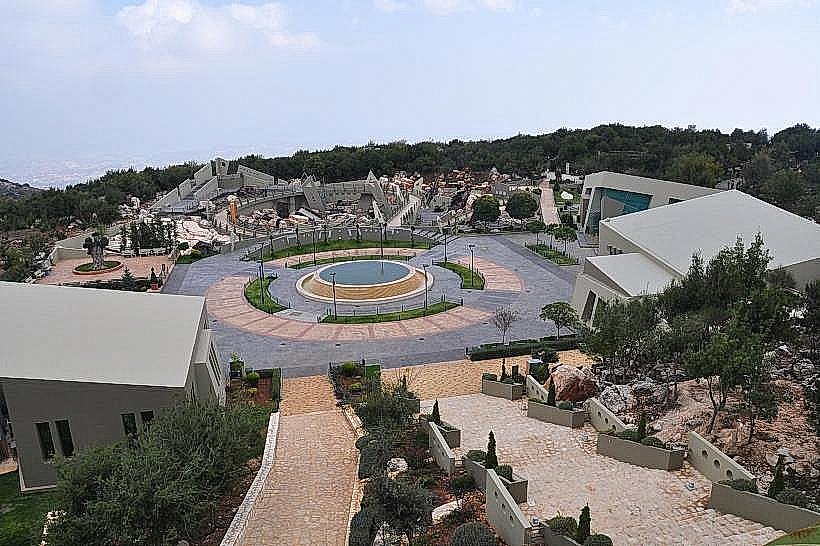
The Beaufort Castle (Qalaat al-Shaqif) operates as a formal tourist heritage site under the supervision of the Ministry of Culture and the Directorate General of Antiquities. The site includes an entrance ticketing station, built pedestrian wooden walkways with protective handrails across uneven stone paths, and bilingual informational orientation plaques. Public flush toilets are situated exclusively inside the reception facility near the lower parking zone. Due to the high, open ridge elevation, cell phone coverage remains strong and stable, providing consistent 4G and 5G network connections. No permanent indoor restaurants exist inside the monument, though a small local cafe operates at the site entrance.
Best Time to Visit
The ideal period for visiting is from April to October to utilize optimal weather and clear regional visibility conditions. Photography is highly effective between 16:30 and 18:30, as the late afternoon sun illuminates the western limestone walls and casts long shadows into the deep Litani River canyon below.
Facts & Legends
Historical accounts detail the 1189 siege where Saladin captured Reynald of Châtillon, the Lord of Beaufort, and tortured him in front of the castle walls to force the garrison's surrender. The defenders refused to yield for nearly a year, using a network of massive, deep rock-cut grain silos and subterranean water cisterns designed to allow a minimal military garrison to survive total isolations lasting several seasons.
Nearby Landmarks
Litani River Bridge (Khardali): 2.5km East
Arnoun Village Core: 1.2km West
Marjayoun Plains Viewpoint: 4.8km Northeast
Deir Mimas Monastery: 4.5km Southeast