Landmark: Kyamwilu Hill
City: Machakos
Country: Kenya
Continent: Africa
Kyamwilu Hill, Machakos, Kenya, Africa
Kyamwilu Hill is a geological formation located in Machakos, Kenya. It is known for its unique magnetic properties.
Visual Characteristics
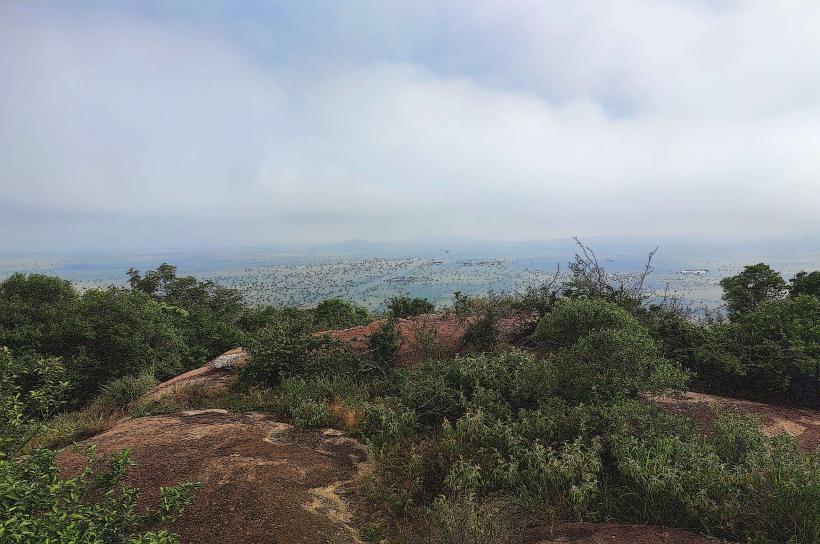
Kyamwilu Hill is composed of dark, igneous rock, primarily basalt. The surface exhibits a rough texture with scattered vegetation, including hardy grasses and acacia trees. The hill rises approximately 100 meters above the surrounding plains. Its slopes are moderately steep, with some areas featuring exposed rock faces.
Location & Access Logistics
The hill is situated approximately 15 kilometers east of Machakos town. Access is via the A2 Nairobi-Garissa Road. Turn south onto an unpaved access road approximately 10 kilometers from Machakos. This road is passable by 2WD vehicles in dry conditions; 4WD is recommended during the rainy season. Parking is available at the base of the hill. No public transport directly serves the hill; local matatus (minibuses) operate between Machakos and nearby villages, requiring a subsequent walk or hired transport.
Historical & Ecological Origin
Kyamwilu Hill is a remnant of ancient volcanic activity in the region. Its formation is attributed to a lava flow that cooled and solidified over millennia. The hill's magnetic anomaly is a subject of scientific study, believed to be caused by concentrated deposits of magnetite within the rock. Ecologically, it is part of the semi-arid savanna ecosystem.
Key Highlights & Activities
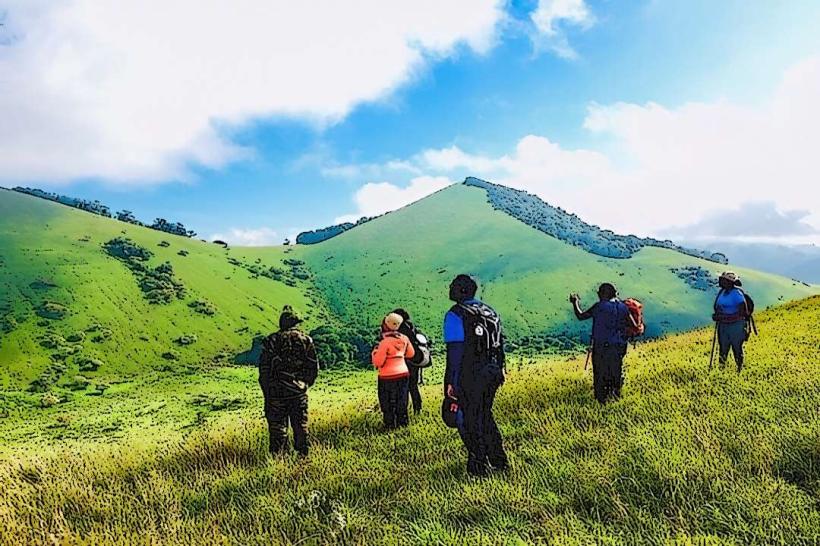
Visitors can observe the "gravity hill" phenomenon, where vehicles appear to roll uphill when placed in neutral gear. Hiking to the summit provides panoramic views of the surrounding landscape. Geological observation of the rock formations is also a primary activity.
Infrastructure & Amenities
There are no formal facilities at Kyamwilu Hill. Restrooms, shade, and food vendors are not present. Cell phone signal (4G/5G) is intermittent and generally weak at the base of the hill, becoming non-existent on the slopes.
Best Time to Visit
The best time for photography is during the early morning or late afternoon when the sun angle creates distinct shadows on the rock formations. The dry season, from June to October, offers the most favorable weather conditions with minimal rainfall. The "gravity hill" effect is observable at any time of day.
Facts & Legends
Local folklore attributes the magnetic properties of Kyamwilu Hill to a mythical "witch's pot" buried within its core, which pulls objects towards it. Scientific explanations focus on the high concentration of magnetic minerals in the bedrock.
Nearby Landmarks
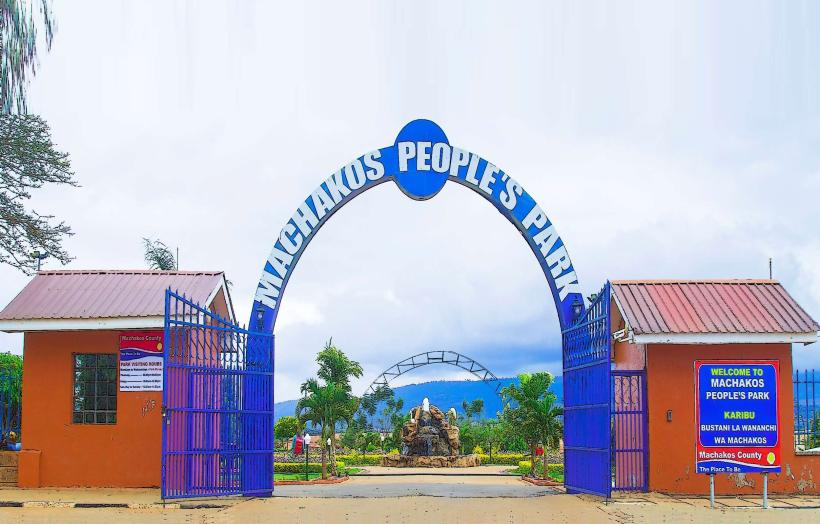
- Machakos People's Park (12km West)
- Machakos Museum (13km West)
- Mavoko Hills (25km Southwest)
- Ol Donyo Sabuk National Park (40km Northwest)